
Summary
Ireland is currently facing a major fuel crisis as protests over high energy costs enter their fifth day. Truck drivers and farmers have used their vehicles to block key fuel depots and the country’s only oil refinery. These actions have caused more than one-third of the nation’s gas stations to run out of fuel completely. The government is now considering using the military to clear the roads as the shortage threatens to spread across the entire country.
Main Impact
The most immediate impact of these protests is the lack of fuel for regular drivers. With over 500 gas stations currently empty, people are finding it difficult to commute to work or run daily errands. The blockades have also shut down major transport routes, including the main highway around Dublin and six other vital roads. This has slowed down the movement of goods and services, putting a strain on the national economy. If the depots remain blocked, experts warn that the number of empty stations will rise sharply within days.
Key Details
What Happened
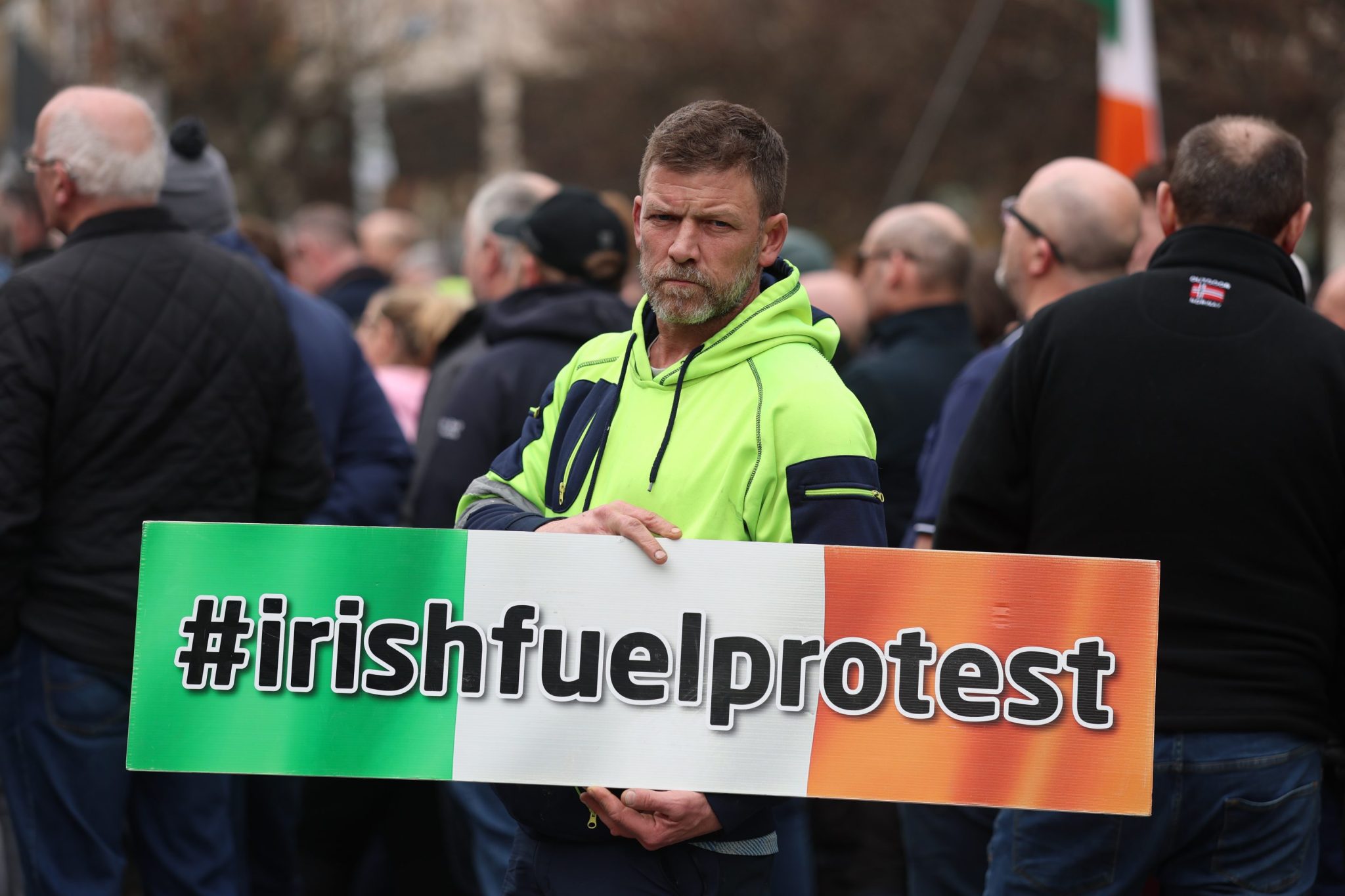
The protests began on Tuesday when groups of truck drivers, farmers, and taxi operators organized through social media. They used their heavy vehicles to create slow-moving convoys that clogged the streets of Dublin. Eventually, they moved to block the gates of fuel storage sites. Some protesters have even slept in their trucks to ensure the gates remain closed. They are demanding that the government do more to lower the price of gas and diesel, which has reached record highs recently.
Important Numbers and Facts
There are about 1,500 service stations in Ireland, and more than 500 of them have reported having no fuel left to sell. The protests are focused on the country’s single fuel refinery and several large storage depots that provide half of the nation's supply. To manage the situation, the Irish police have put all officers on high alert, and the military has been told to be ready to move in if the government decides to forcibly clear the roads. The government had already cut taxes on fuel by a small amount two weeks ago, but those savings were erased by rising global prices.
Background and Context
Fuel prices have been rising all over the world, not just in Ireland. This is mostly due to conflicts in the Middle East that have made it harder to export oil. When there is less oil available globally, the price goes up for everyone. In Ireland, a large part of the price people pay at the pump is made up of taxes. These include excise taxes and carbon taxes, which are meant to help the environment. Protesters argue that the government should remove these taxes temporarily to help families and businesses survive the price spike. They feel that the current costs are making it impossible for truckers and farmers to make a living.
Public or Industry Reaction
The reaction to the protests is divided. Many people who are struggling with bills support the call for lower prices. However, the government has expressed deep frustration. Prime Minister Micheál Martin called the blockades "illogical" and warned that they could actually make the problem worse. He explained that if tankers cannot unload their oil because of the protests, they might take their fuel to other countries instead. This would leave Ireland with even less oil during a global shortage. Some government officials also suggested that outside groups might be using the protesters to cause chaos in the country.
What This Means Going Forward
The next few days are critical for Ireland. The government is scheduled to hold more talks with protest leaders to see if they can reach an agreement. If these talks fail, the government may have to choose between letting the fuel shortage continue or using the military to move the trucks and tractors by force. This could lead to more tension between the public and the authorities. Additionally, the government is looking for ways to provide more financial help to low-income families and transport workers, but they warn that they cannot control the global price of oil.
Final Take
This situation highlights how global events can quickly cause local problems. While the government blames international conflict for the high prices, the protesters believe the solution lies in local tax cuts. Until both sides find a middle ground, the sight of empty gas stations and blocked highways will likely continue. The standoff is a clear sign of the pressure that high energy costs are putting on modern society.
Frequently Asked Questions
Why are there fuel shortages in Ireland?
The shortages are caused by protesters blocking fuel depots and the national refinery. This prevents delivery trucks from getting fuel to local gas stations.
What do the protesters want?
The protesters are asking the government to lower fuel prices by cutting taxes, such as excise and carbon taxes, and by placing a cap on how much fuel can cost.
Is the Irish government doing anything to help?
The government has already reduced some taxes and increased rebates for transport workers, but they say they cannot fully stop price increases caused by global oil shortages.



