Summary
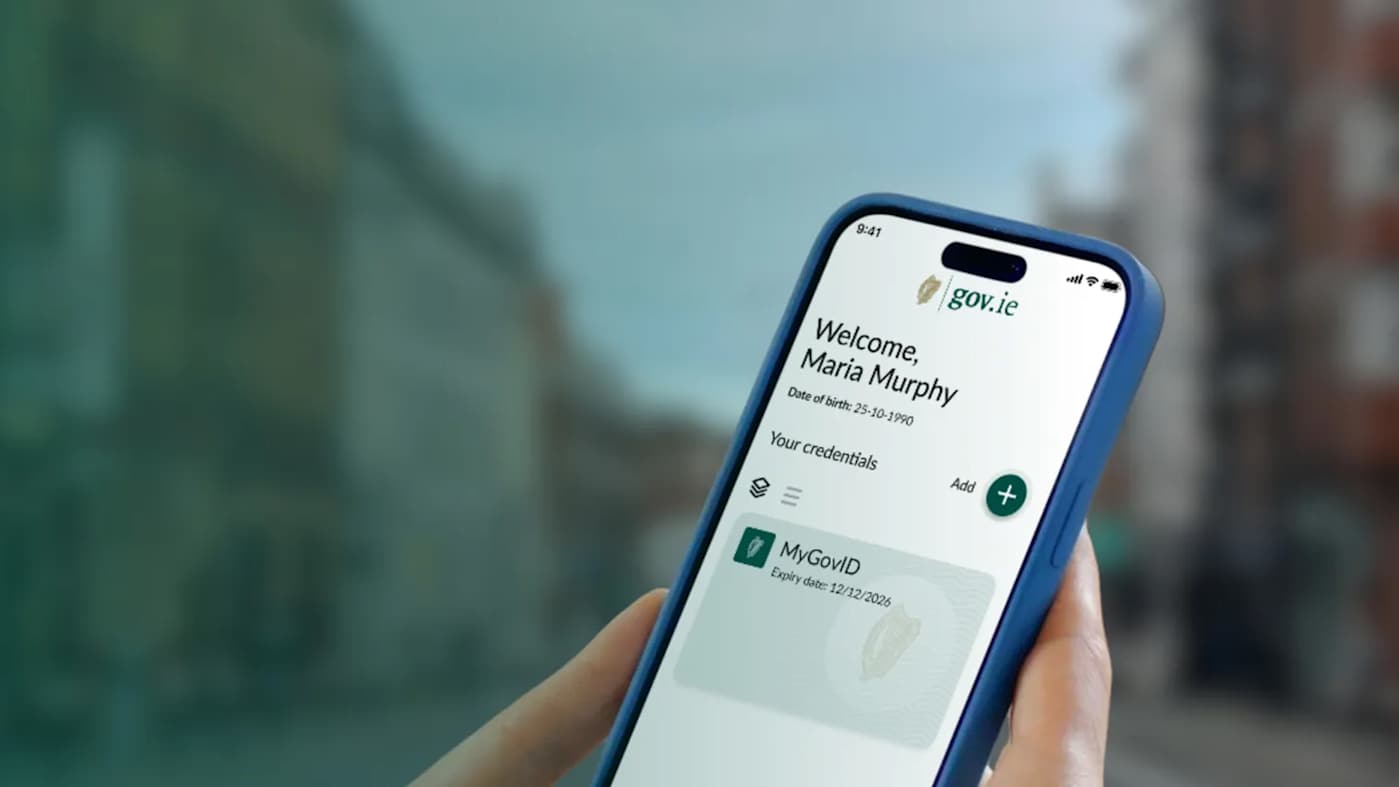
The Irish government is currently testing a new mobile app called the Government Digital Wallet. This tool allows citizens to store official documents like birth certificates and driving licenses directly on their smartphones. One of the most important features of this wallet is its ability to verify a user's age for social media platforms. By using this technology, the government hopes to create a safer online environment for children and teenagers. This trial is part of a larger plan to meet new European Union rules that require all member states to offer digital ID options by the end of 2026.
Main Impact
The introduction of this digital wallet could change how people in Ireland interact with the internet. For years, social media companies have struggled to accurately check the age of their users. Many children simply lie about their birth dates to create accounts. With the new digital wallet, these platforms will have a secure and official way to confirm a person's age. This move is expected to significantly reduce the number of young children accessing content that is not suitable for them. It also makes daily tasks easier for adults, as they will no longer need to carry physical plastic cards or paper documents to prove who they are.
Key Details
What Happened
Minister Frank Feighan, who works for the Department of Public Expenditure, recently announced the start of the testing phase for the digital wallet. This phase is a pilot program where a small group of people will use the app and give feedback. The government wants to make sure the app is easy to use and that it keeps personal information safe before it is released to everyone. During this time, the government is also asking the public to share their thoughts through a survey. This helps the developers understand what people are worried about, such as privacy or how the app works on different phones.
Important Numbers and Facts
The digital wallet is designed to hold several types of official records. These include birth certificates, driving licenses, and European health insurance cards. Under the European Union's rules, Ireland must have a fully working digital wallet system ready for all citizens by the end of 2026. The age verification feature is a key part of Ireland’s Online Safety Code. This code says that certain websites and apps must have strong measures in place to protect young people from seeing harmful things online. Currently, the testing is voluntary, meaning people can choose whether or not they want to participate in the trial.
Background and Context
This project is not just happening in Ireland. All across Europe, countries are trying to find better ways to manage digital identities. The European Union wants to make it easier for people to move between countries and use services without needing physical paperwork. For example, a person from Ireland should be able to use their digital wallet to prove their identity in France or Germany.
At the same time, there is a growing concern about the safety of children on the internet. Many parents and experts believe that social media apps do not do enough to keep kids safe. In Spain, the government recently talked about a law that would stop children under 16 from using social media entirely. Ireland’s approach focuses on using technology to enforce age limits that already exist. By linking a social media account to a government-verified age, it becomes much harder for kids to bypass safety settings.
Public or Industry Reaction
The reaction to the digital wallet has been a mix of excitement and caution. Many people like the idea of not having to carry a physical wallet everywhere. They see it as a modern way to handle government services. However, some people are worried about privacy. They want to know exactly how their data is stored and who can see it. To address these concerns, the Irish government has made the pilot phase "opt-in." This means nobody is forced to use it yet. The public survey is also a way for the government to show they are listening to the people's concerns about digital tracking and data security.
What This Means Going Forward
If the testing phase is successful, the Government Digital Wallet will likely become a standard tool for everyone in Ireland. We can expect to see more apps and websites asking for digital verification in the future. This could eventually replace traditional login methods. For social media companies, this will mean they have more responsibility. They will have to work closely with government systems to make sure they are following the law. In the long run, this could lead to a much more regulated internet where your real-world identity is more closely connected to your online presence. This might make the internet safer, but it will also change how we think about staying anonymous online.
Final Take
Ireland is taking a major step toward a digital future. By testing this wallet now, the government is trying to stay ahead of European requirements while solving the difficult problem of online safety for children. While there are still questions about privacy that need to be answered, the move toward digital IDs seems unavoidable. The success of this project will depend on whether the public trusts the system and whether the technology is as easy to use as the government promises.
Frequently Asked Questions
What is the Ireland Government Digital Wallet?
It is a mobile app that lets Irish citizens store digital versions of official documents like their driving license and birth certificate on their phones.
How does it help with social media safety?
The wallet can prove a user's age to social media companies. This helps these platforms make sure that children are not accessing content meant for adults.
Is it mandatory to use the digital wallet?
No, the current testing phase is completely voluntary. People can choose to sign up for the trial and provide feedback to the government.