
Summary
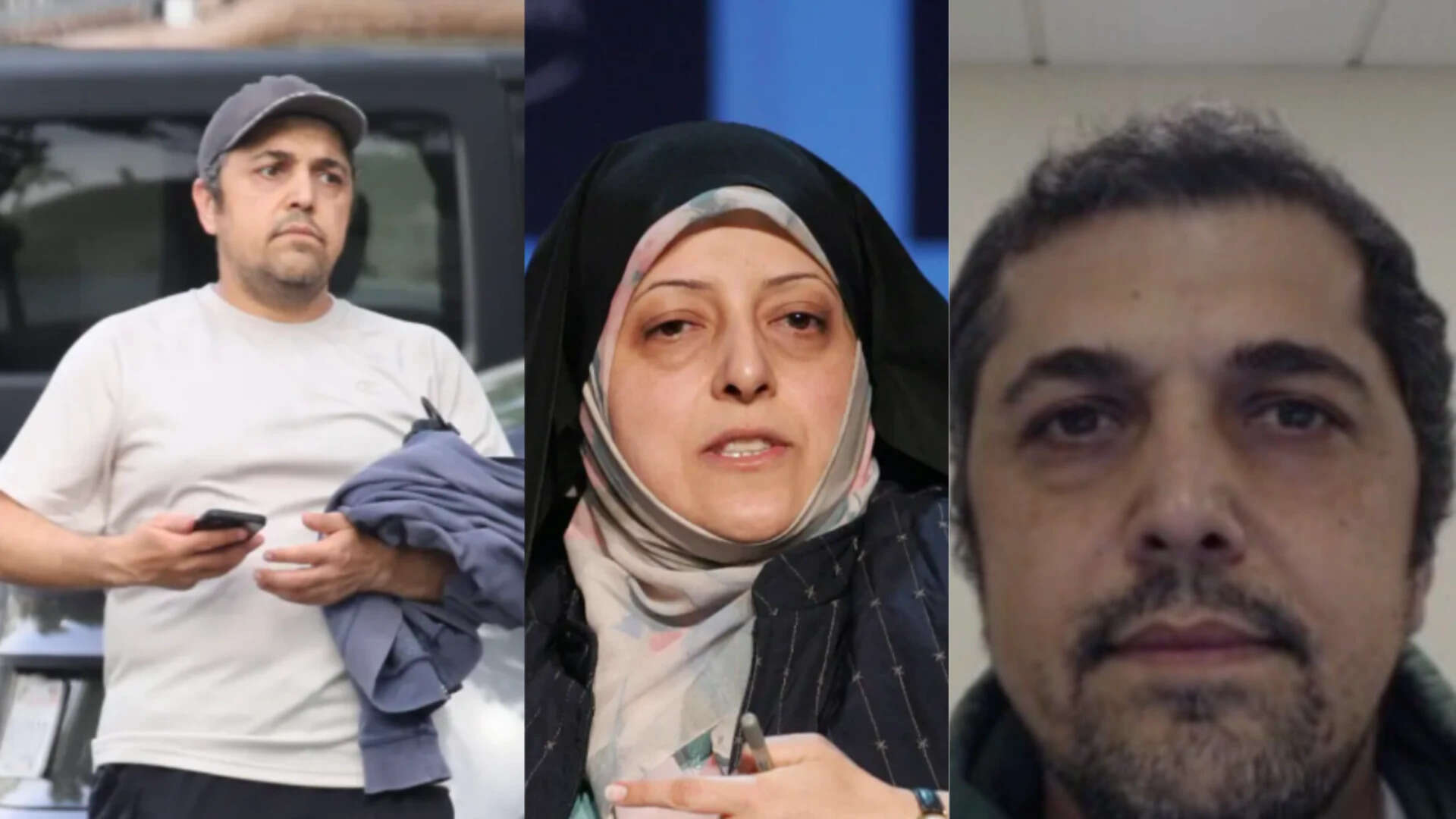
United States immigration officials have taken a major step by revoking the permanent residency of three Iranian nationals. These individuals, who previously held green cards, were found to have close connections to the government in Tehran. Following the cancellation of their legal status, they were taken into custody by Immigration and Customs Enforcement (ICE). This action highlights the government's focus on national security and its effort to monitor individuals with ties to foreign regimes.
Main Impact
The primary impact of this decision is a clear message regarding national security and foreign influence. By removing the legal right of these individuals to stay in the country, the U.S. government is showing that it will not tolerate potential threats from hostile foreign powers. This move affects how the government vets people from countries with strained relations with the U.S. It also signals that even after someone receives a green card, their background and activities remain under watch by federal agencies.
Key Details
What Happened
Federal authorities conducted an investigation into the backgrounds of three Iranian citizens living in the United States. During this review, officials discovered information linking these individuals to the Iranian government, often referred to as the Tehran regime. Because these ties were deemed a concern for national safety, the government decided to revoke their green cards. A green card allows a non-citizen to live and work permanently in the U.S., but it can be taken away if the holder is found to have lied on their application or if they pose a security risk. Once their status was officially cancelled, ICE agents located and arrested the three individuals. They are currently being held in a detention center while the government decides on the next steps, which usually involve deportation proceedings.
Important Numbers and Facts
The case involves exactly three individuals of Iranian nationality. While their specific names have not been released to the public in the initial reports, the government confirmed that the decision was based on their "ties to the regime." This action falls under the authority of the Department of Homeland Security. In the U.S., there are millions of green card holders, but only a very small number have their status revoked for reasons related to national security or foreign government connections. The process of revoking a green card is complex and usually requires significant evidence of a threat or a violation of immigration laws.
Background and Context
To understand why this matters, it is helpful to look at the relationship between the United States and Iran. For many years, the two countries have had a very difficult relationship. The U.S. has placed many rules and sanctions on Iran because of concerns over its military activities and its government's actions. Because of this tension, the U.S. government keeps a very close eye on people who have worked for or are closely connected to the Iranian leadership.
A green card is a highly sought-after document that gives a person many of the same rights as a U.S. citizen. However, getting one requires a long process of background checks. Sometimes, information about a person's past does not come to light until years after they have arrived in the country. In other cases, a person might develop ties to a foreign government after they have already moved. When the U.S. government finds out about these links, they can reopen the case to see if the person should still be allowed to stay.
Public or Industry Reaction
The reaction to this news has been focused on the balance between security and fairness. Many lawmakers who support strict border and immigration rules have praised the move. They argue that the government must be proactive in removing anyone who could be working for a foreign adversary. Security experts have also noted that this is a necessary part of protecting the country from foreign interference.
On the other hand, some immigration advocates watch these cases closely to ensure that the individuals receive a fair process. They want to make sure that "ties to a regime" are clearly defined and based on solid evidence rather than just a person's country of origin. However, in cases involving national security, the government often has broad power to act quickly to protect the public.
What This Means Going Forward
Looking ahead, this case suggests that the U.S. government will continue to use its power to review the status of people from high-risk regions. We can expect to see more thorough vetting of visa and green card applications. For people currently living in the U.S. on green cards, this serves as a reminder that maintaining legal status depends on following all laws and not engaging with foreign entities that are considered hostile to the United States.
The three Iranian nationals will likely face a legal process in immigration court. They may try to challenge the revocation of their green cards, but the government often wins these cases when national security is the main reason for the action. If the court upholds the government's decision, the individuals will likely be deported back to Iran.
Final Take
The revocation of these green cards is a strong reminder that legal residency in the United States is not a permanent guarantee. The government prioritizes national safety above all else, especially when it comes to connections with foreign regimes. As global tensions remain high, federal agencies are likely to stay vigilant, ensuring that those who live within U.S. borders do not have hidden loyalties that could harm the country.
Frequently Asked Questions
Why were the green cards taken away?
The green cards were revoked because the U.S. government found that the three Iranian nationals had ties to the government in Tehran, which is considered a national security concern.
What happens to someone after their green card is revoked?
Once a green card is revoked, the person loses their legal right to stay in the U.S. They are usually taken into ICE custody and may face deportation to their home country after a legal review.
Can a green card holder appeal this type of decision?
Yes, individuals usually have the right to a legal process where they can challenge the government's decision in front of an immigration judge, though security-related cases are very difficult to win.

