
Summary
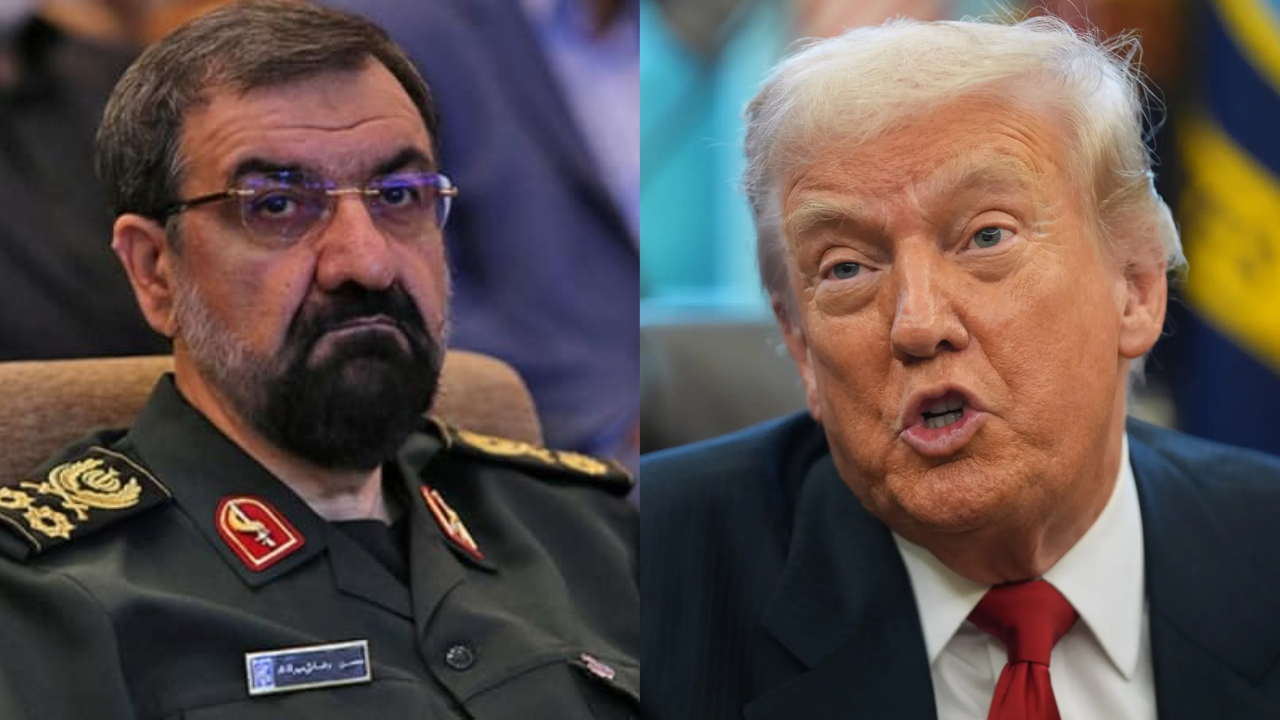
Iran has issued a stern warning to the United States, specifically targeting the administration of Donald Trump. The Iranian government stated that any military strike on its national infrastructure would be met with a massive counter-attack. They described this policy as an "eye for a head" response, suggesting that their retaliation would be far more severe than the initial strike. This escalation comes as Tehran sets very high demands for any future peace negotiations, including financial payments and control over vital shipping routes.
Main Impact
The primary impact of this statement is a sharp increase in global political tension. By threatening to "paralyze" America, Iran is signaling a shift from defensive talk to aggressive threats. This situation puts pressure on international oil markets and raises concerns about the safety of global trade. If these threats lead to actual conflict, the cost of energy could rise quickly, and the risk of cyberattacks on public utilities becomes a more serious concern for people living in the United States.
Key Details
What Happened
In a recent official statement, Iranian leaders made it clear that they are not interested in standard diplomatic talks under current conditions. They warned that if the U.S. military targets Iranian power plants, oil refineries, or other critical systems, Iran will respond by trying to shut down American systems. The use of the phrase "eye for a head" is a direct message that Iran intends to escalate any conflict rather than simply matching the force used against them. This is a departure from previous years where responses were often more measured.
Important Numbers and Facts
Iran has laid out a specific list of requirements that must be met before they will sit down for peace talks. These include a total end to military threats and a formal guarantee that the U.S. will not take future military action. Furthermore, Iran is asking for financial compensation for damages caused by previous sanctions and policies. A major point of contention is the Strait of Hormuz, a narrow waterway where about 20% of the world's oil passes. Iran is now demanding full control over this area as part of their terms for peace.
Background and Context
The relationship between the U.S. and Iran has been difficult for decades, but it has become much more tense recently. During his previous time in office, Donald Trump pulled the U.S. out of a major nuclear deal and put heavy sanctions on Iran's economy. Iran feels that these actions were unfair and caused great harm to its people. By demanding "guarantees" and "compensation," Iran is trying to ensure that a future president cannot simply change the rules again. The focus on infrastructure is also important because both countries have advanced tools for cyber warfare, which can be used to attack power grids and water systems without firing a single bullet.
Public or Industry Reaction
Security experts are taking the "paralyze" threat seriously. Many believe this refers to cyberattacks that could stop banks, hospitals, or transport systems from working. In the shipping industry, there is growing fear about the Strait of Hormuz. If Iran gains full control or decides to block the path, it would stop the flow of oil to many parts of the world. This would lead to a global economic crisis. Political analysts suggest that Iran is using this strong language to gain leverage, hoping that the fear of a paralyzed economy will force the U.S. to accept their demands.
What This Means Going Forward
In the coming weeks, the world will be watching how the Trump administration responds to these threats. There are two main paths forward. One path is a further increase in military readiness, which could lead to a direct clash. The other path is a slow move toward the bargaining table, though Iran's current demands make this very difficult. The U.S. is unlikely to hand over control of the Strait of Hormuz or pay billions in compensation easily. This means the standoff is likely to continue, keeping the risk of a sudden conflict very high.
Final Take
The threat from Iran marks a dangerous new chapter in Middle Eastern relations. By moving away from traditional diplomacy and using such aggressive language, Tehran is showing that it feels backed into a corner. The "eye for a head" policy is a warning that any small spark could lead to a much larger fire. For the average person, this means that the stability of global energy and digital security is now more uncertain than it has been in years.
Frequently Asked Questions
What does "eye for a head" mean in this context?
It is a variation of the phrase "an eye for an eye." While "an eye for an eye" means a balanced trade, "eye for a head" means Iran will respond to an attack with much greater force than they received.
Why is the Strait of Hormuz so important?
The Strait of Hormuz is a vital shipping lane. A large portion of the world's daily oil supply travels through this narrow passage. If it is closed or controlled by a hostile power, global oil prices would likely skyrocket.
What kind of infrastructure is at risk?
Infrastructure refers to the basic systems a country needs to function. This includes power grids, water treatment plants, oil facilities, and communication networks like the internet and banking systems.

