
Summary
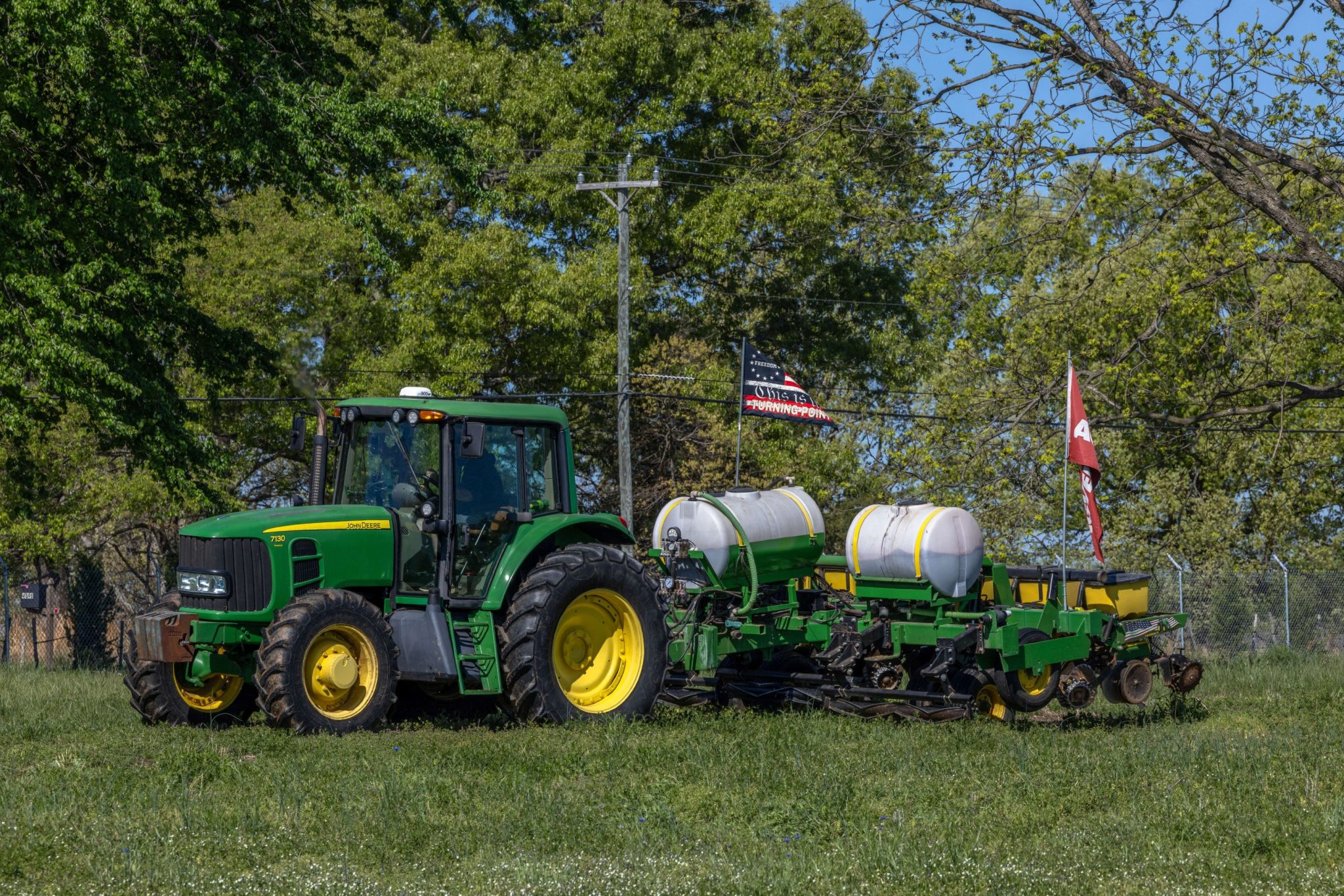
The ongoing war in Iran has caused a massive spike in fertilizer prices, creating a crisis for American farmers. A recent survey found that 70% of farmers can no longer afford the fertilizer they need for the current growing season. With the planting window closing in just six weeks, many producers are forced to choose between losing money on expensive supplies or facing lower crop yields. This situation threatens the financial stability of farms across the United States and could impact food production in the coming months.
Main Impact
The primary impact of this price surge is a direct threat to the livelihood of American agricultural workers. Nearly 60% of farmers report that their financial situation has worsened because of the combined high costs of fertilizer and fuel. This is a double blow for the industry, as the prices farmers receive for their crops have actually been falling. While the cost to grow food is going up, the money earned from selling corn and soybeans is much lower than it was a few years ago. This gap makes it nearly impossible for many family farms to turn a profit this year.
Key Details
What Happened
The conflict in Iran has severely disrupted global trade routes. Specifically, Iran has taken control of the Strait of Hormuz. This narrow waterway is a vital path for global commerce, as one-third of all fertilizer shipments in the world pass through it. When the war began about seven weeks ago, the flow of these shipments slowed to a crawl. Although some commercial ships have started moving through the area again following a recent ceasefire agreement, the supply chain remains broken. The uncertainty of the war continues to keep prices high and supplies low.
Important Numbers and Facts
The price increases for essential farming chemicals are significant. Nitrogen-based fertilizers, such as urea, have jumped by 49% in price. Other types, like ammonia and phosphorus, have seen increases between 21% and 38%. At the same time, the market value of the crops themselves is struggling. Corn prices are currently around $4.15 per bushel, which is a 40% drop from the highs seen in 2022. Soybeans have also dropped from over $16 per bushel to about $10.30. These figures show that farmers are paying much more to produce crops that are worth much less.
Background and Context
Fertilizer is essential for modern farming because it provides nutrients like nitrogen, phosphorus, and potassium to the soil. These nutrients help plants grow faster and produce more food. For decades, American farmers have relied heavily on these chemical additions to keep their harvests steady. However, this reliance has created a cycle where the soil becomes less healthy over time, requiring even more fertilizer to get the same results. Now that a global conflict has cut off the supply of these chemicals, the risks of depending so heavily on imported products have become clear.
Public or Industry Reaction
Agricultural groups and experts are expressing deep concern about the timing of this crisis. The Farm Bureau notes that farmers in the South are in a particularly difficult spot because many did not buy their supplies early. Experts in the field describe the current situation as "heart-wrenching," as farmers must decide whether to take on massive debt or risk a failed harvest. Some industry leaders are suggesting that this crisis should serve as a wake-up call to change how we treat the land. There is a growing push for "regenerative" methods that focus on natural soil health rather than just adding more chemicals.
What This Means Going Forward
As the planting season ends in mid-May, the immediate future looks difficult. If farmers cannot afford fertilizer, the total amount of food produced this year could drop. This might lead to higher grocery prices for everyone later on. In the long term, more farmers may look into regenerative agriculture. This includes practices like planting "cover crops" to protect the soil or rotating different types of plants each year to naturally restore nutrients. While these methods take time to work, they could eventually make American farms less vulnerable to wars and trade problems in other parts of the world.
Final Take
The current fertilizer shortage is more than just a temporary price hike; it is a sign of how fragile the global food system has become. When a conflict thousands of miles away can prevent an American farmer from planting their fields, it shows a need for more local and sustainable solutions. Moving toward healthier soil and less chemical use may no longer be just an environmental choice, but a necessary step for economic survival in the farming industry.
Frequently Asked Questions
Why is the war in Iran affecting American farmers?
The war has blocked the Strait of Hormuz, a key shipping route. Since one-third of the world's fertilizer moves through this area, the conflict has stopped supplies from reaching the global market, causing prices to skyrocket.
What happens if farmers don't use enough fertilizer?
If crops do not get the nutrients they need, the "yield" or total amount of food produced will be much lower. This can lead to financial losses for the farmer and potentially higher food prices for consumers.
What is regenerative farming?
Regenerative farming is a way of growing food that focuses on improving the health of the soil. By using natural methods instead of heavy chemicals, farmers can eventually grow healthy crops without being dependent on expensive, imported fertilizers.



