Summary
Reports from witnesses and human rights observers indicate that Iran is using children to fill security roles during the current conflict. These young individuals are being placed in high-risk areas, including checkpoints in major cities. The situation gained global attention following the death of an 11-year-old boy who was killed in an air strike while on duty in Tehran. This practice has raised serious concerns about the safety of minors and the violation of international laws regarding child soldiers.
Main Impact
The decision to use children for security tasks has a major impact on the safety of the civilian population. By putting minors in uniform and placing them at military or police checkpoints, the government is exposing them to direct attacks. This move has drawn sharp criticism from the international community, as it ignores basic human rights standards. It also suggests that the security forces may be facing a shortage of adult personnel or are trying to use young citizens to show a sense of national unity, even at a high cost to life.
Key Details
What Happened
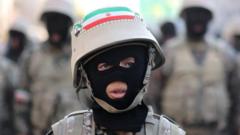
In recent weeks, people living in Tehran have reported a visible increase in the number of very young boys working alongside security forces. These children are often seen wearing oversized uniforms and carrying out tasks usually reserved for trained adults. They stand at checkpoints, search vehicles, and monitor pedestrian traffic. The danger of this practice became clear when an air strike hit a security post in the capital. An 11-year-old boy, who was reportedly manning the post at the time, died in the explosion. Witnesses say the boy was part of a group of young recruits stationed in the area to help maintain order during the ongoing unrest.
Important Numbers and Facts
The most striking fact in these reports is the age of the victims, with some as young as 11 years old being involved in active duty. International law, specifically the United Nations Convention on the Rights of the Child, states that children under the age of 18 should not take part in hostilities. While Iran has signed various international agreements, these recent events suggest a move away from those commitments. There are no official numbers on how many children are currently serving in these roles, but witness accounts suggest the practice is becoming more common in urban centers like Tehran.
Background and Context
The use of young people in Iranian security forces has a long history. During the Iran-Iraq war in the 1980s, thousands of young volunteers, known as the Basij, were sent to the front lines. Today, the Basij remains a powerful paramilitary group that recruits from schools and local neighborhoods. They often provide training to teenagers, teaching them about security and defense. However, there is a big difference between training and being placed at a checkpoint during an active war. In the past, these youth groups were mostly used for parades or local neighborhood watch programs. Now, they are being moved into roles where they face the same risks as professional soldiers.
Public or Industry Reaction
The reaction to these reports has been one of shock and anger, both inside and outside of Iran. Human rights groups have called for an immediate end to the recruitment of minors. They argue that children cannot truly volunteer for such dangerous work because they do not fully understand the risks involved. Many people on social media have expressed their sadness over the death of the 11-year-old, questioning why a child was allowed to be near a military target during an air strike. International leaders have also voiced concerns, noting that using children in this way is a war crime under certain international rules. The Iranian government has not yet provided a detailed response to these specific claims, often describing the young participants as brave volunteers.
What This Means Going Forward
Looking ahead, the continued use of children in security roles could lead to more tragedies. As long as minors are stationed at checkpoints or military sites, they will remain targets for air strikes and other attacks. This could lead to more international pressure on Iran, including the possibility of new sanctions or legal actions in international courts. For the families living in conflict zones, this creates a difficult environment where they must worry about their children being pressured into service. If the conflict continues to grow, there is a risk that even younger children could be brought into the security force, further complicating the humanitarian situation.
Final Take
The death of a child at a security checkpoint is a clear sign of how war affects the most vulnerable members of society. Using children for military or security purposes is a practice that the world has tried to stop for decades. When young boys are put in positions of danger, it shows a lack of respect for human life and international standards. The focus must now stay on protecting these children and ensuring that they are kept away from the violence of conflict.
Frequently Asked Questions
Is it legal to use children in security roles during a war?
No, international law generally forbids the use of children under the age of 18 in military roles or direct hostilities. Doing so is considered a violation of human rights and can be classified as a war crime.
What is the Basij and how does it relate to this?
The Basij is a paramilitary group in Iran that often recruits young people. While they provide training and community services, they also help the government maintain security, which sometimes involves putting young recruits in dangerous situations.
What can the international community do about this?
The international community can apply diplomatic pressure, issue sanctions, and conduct investigations through the United Nations to hold the government accountable for the safety of children during the conflict.