Summary
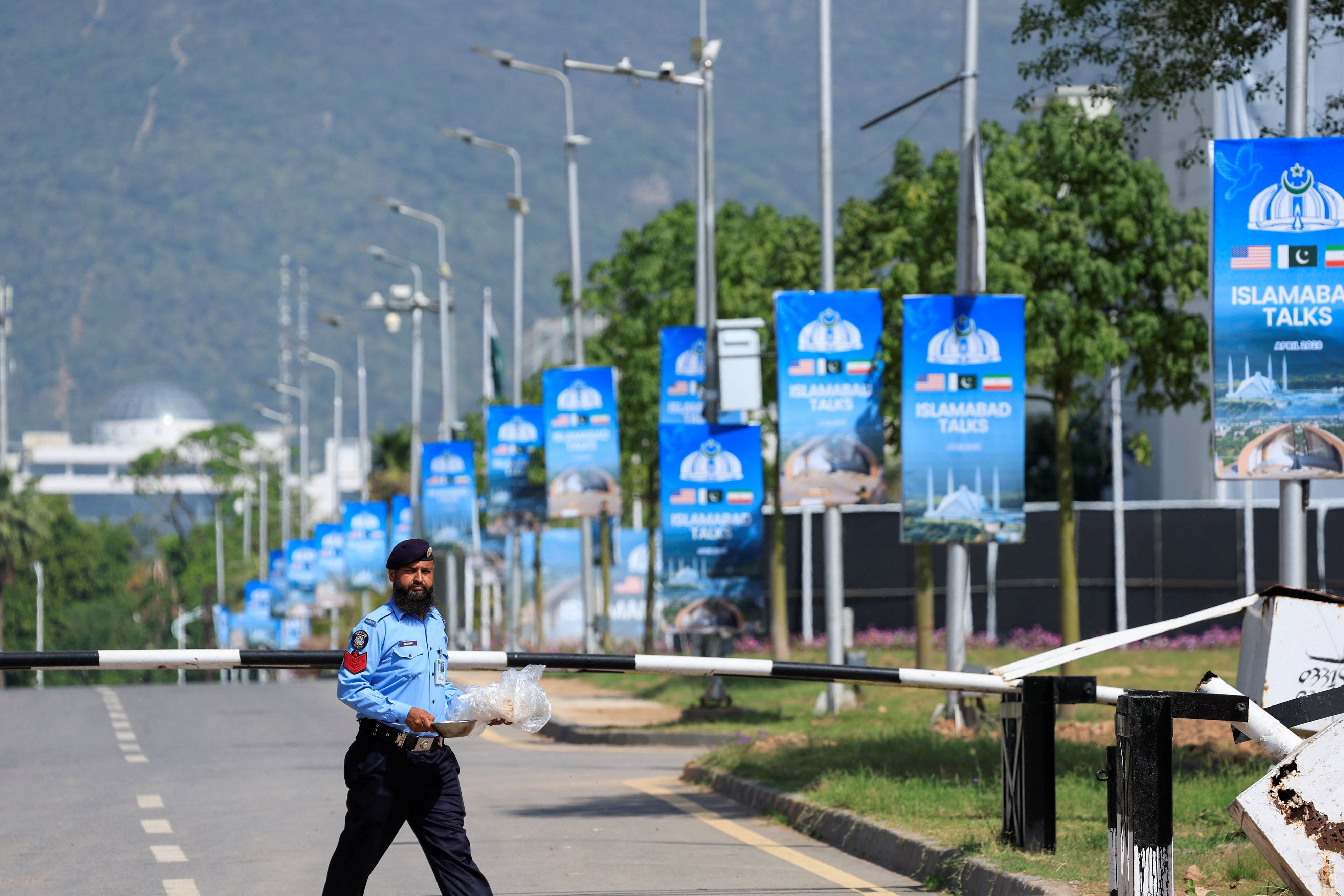
Pakistan is preparing to host high-level talks between Iran and the United States to address the ongoing conflict involving Israel. While both nations have agreed to meet, their delegations remain in their respective home countries as final details are settled. The primary obstacles to a lasting peace include control over the Strait of Hormuz and the status of Iran’s nuclear materials. Iran has issued a stern warning that it will react with force if the United States violates the current ceasefire agreements.
Main Impact
The decision to hold talks in a third-party country like Pakistan shows a shift toward diplomacy, but the situation remains very tense. The most significant impact of this conflict is felt in the global energy market and international security. Because the Strait of Hormuz is a vital path for the world's oil supply, any military action there could cause gas prices to rise everywhere. Furthermore, the involvement of Israel adds a layer of complexity, as any deal must address the security concerns of all three nations to be successful.
Key Details
What Happened
In recent days, diplomatic efforts have moved to the forefront as Pakistan stepped up to act as a neutral ground for negotiations. The conflict, which has seen military exchanges between Iran, Israel, and U.S. forces, has reached a point where all sides are looking for a way to stop the fighting without appearing weak. Iran’s leadership has stated that while they are open to talking, their military is on high alert. They have specifically warned that any American movement that breaks the rules of the ceasefire will be met with a "decisive response." This means the peace is currently very fragile and could break at any moment.
Important Numbers and Facts
The Strait of Hormuz is one of the most important waterways in the world. About 20% of the world's total oil consumption passes through this narrow stretch of water every day. If the conflict leads to a closure of this route, the economic damage would be felt globally. Additionally, international inspectors have been monitoring Iran's nuclear sites. The amount of enriched uranium Iran holds is a major point of debate. The U.S. and Israel want these levels to stay low to prevent the creation of a nuclear weapon, while Iran claims its program is for peaceful energy purposes only.
Background and Context
The tension between the United States and Iran is not new, but it has grown much worse over the last year. Israel and Iran have also been engaged in a "shadow war" for a long time, using cyberattacks and proxy groups to fight each other. The current situation became an open conflict after a series of military strikes that brought the region to the edge of a full-scale war. Pakistan, which shares a border with Iran and has a complex relationship with the U.S., is trying to prevent the violence from spreading into its own territory. For the world, the goal is to find a balance where Iran feels secure and Israel feels safe from nuclear threats.
Public or Industry Reaction
Global markets are reacting with caution. Oil traders are watching the news closely, as any sign of failed talks usually leads to a jump in oil prices. International leaders, including those from the European Union and the United Nations, have praised Pakistan for hosting the talks. However, many experts are skeptical. They point out that similar talks in the past have failed because neither side is willing to give up their main demands. Human rights groups are also concerned about the civilians living in the areas affected by the military strikes, calling for a permanent end to the violence rather than just a temporary pause.
What This Means Going Forward
The next few days will be vital for the future of the Middle East. If the delegations arrive in Pakistan and begin talking, it could lead to a formal treaty that limits nuclear activity in exchange for lifting economic sanctions. However, if one side feels the other is not being honest, the fighting could start again quickly. The U.S. must decide how much it will support Israel's security needs while trying to keep Iran from closing the Strait of Hormuz. For Iran, the challenge is to fix its economy without giving up what it sees as its right to defend itself and develop technology.
Final Take
While the move toward the meeting table is a positive sign, the deep lack of trust between the U.S., Israel, and Iran makes a quick solution unlikely. The world remains in a waiting period, hoping that the talks in Pakistan can prevent a larger war that would hurt the global economy and cause more loss of life. Success depends on whether both sides can move past their threats and focus on the shared goal of regional stability.
Frequently Asked Questions
Why is the Strait of Hormuz so important in this conflict?
The Strait of Hormuz is a narrow waterway that connects oil producers in the Middle East to the rest of the world. Because so much of the world's oil travels through it, any country that controls or threatens the strait has a lot of power over the global economy.
What is the main goal of the talks in Pakistan?
The main goal is to turn the current temporary ceasefire into a long-term peace deal. This includes making agreements about nuclear materials and ensuring that military forces do not attack each other in the region.
What happens if the ceasefire is broken?
Iran has warned that it will respond "decisively," which likely means more missile or drone strikes. This could lead to a larger war involving the U.S. military and Israel, potentially drawing in other countries in the region.