
Summary
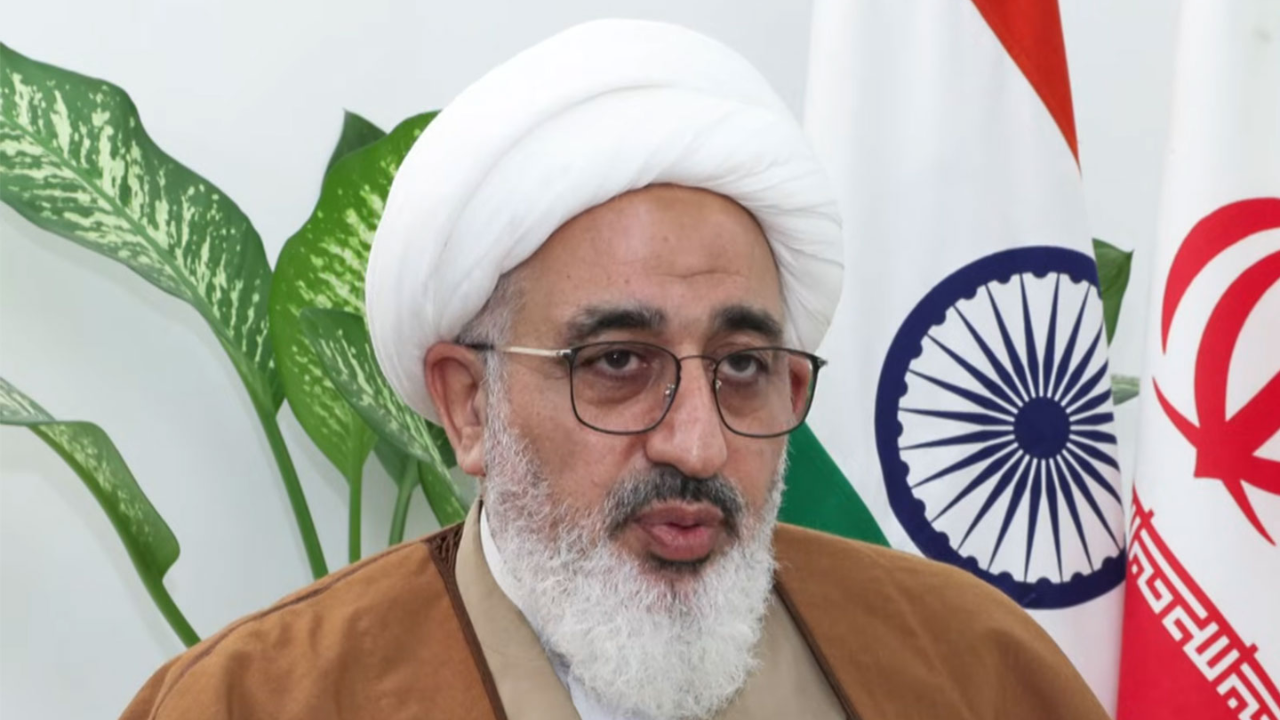
A senior Iranian official has claimed that peace talks between Iran and the United States have stalled. Abdul Majeed Hakeem Ilahi, who represents Iran’s Supreme Leader in India, stated that the U.S. went back on a deal that both sides had previously accepted. This agreement was based on a 10-point plan designed to lower tensions. However, during recent meetings in Pakistan, the Iranian side says the U.S. changed its position, leading to a breakdown in the process.
Main Impact
The failure of these talks means that the long-standing tension between Iran and the U.S. is unlikely to end soon. When high-level negotiations stop, it often leads to more uncertainty in global politics and energy markets. For the people in the region, this breakdown means that economic sanctions and political disagreements will continue to cause daily challenges. The lack of progress also makes it harder for other countries to mediate and bring peace to the Middle East.
Key Details
What Happened
According to the Iranian envoy, both nations had found a way to talk using a specific 10-point framework. This plan was meant to be the foundation for a more formal peace agreement. The two sides met in Pakistan to finalize the details. During these discussions, the Iranian representative claims that the U.S. negotiators introduced new demands and moved away from the points they had already agreed to follow. This shift caused the Iranian team to lose trust in the process, effectively putting the talks on hold.
Important Numbers and Facts
The core of the negotiation was a 10-point plan. While the exact details of every point have not been made public, such plans usually cover topics like nuclear activity, the lifting of trade bans, and regional security. The talks took place in Pakistan, a country that often acts as a bridge between Western powers and Middle Eastern nations. Abdul Majeed Hakeem Ilahi shared this information while serving in his official role in India, highlighting how Iran is communicating its message to the international community through various diplomatic channels.
Background and Context
Iran and the United States have not had formal diplomatic relations for many years. Their relationship is defined by deep distrust and many disagreements. The U.S. has placed heavy economic sanctions on Iran, which makes it difficult for the country to trade with the rest of the world. In return, Iran has often criticized U.S. actions in the Middle East. Over the years, several attempts have been made to fix this relationship, including the 2015 nuclear deal, which the U.S. later left under a previous administration.
Peace talks are usually kept very quiet until an agreement is reached. The fact that an official is speaking publicly about the failure of the talks suggests that Iran wants to place the blame on the U.S. side. Using a 10-point plan is a common way for diplomats to organize complex issues into smaller, manageable steps. When one side feels the other is "backtracking," or going back on their word, it usually stops all progress because diplomacy relies heavily on mutual trust.
Public or Industry Reaction
The international community has watched these developments closely. Many countries in Europe and Asia want to see a peaceful resolution because it would help stabilize oil prices and improve global security. Political experts note that the U.S. often changes its demands based on internal politics or new intelligence, which can frustrate the other side. On the other hand, some critics of Iran argue that the Iranian government might be using these public statements to gain leverage in future talks. So far, the U.S. government has not given a detailed public response to these specific claims made in India.
What This Means Going Forward
In the short term, we can expect a period of silence or "cooling off" where neither side makes a move. For the talks to start again, a third party like Pakistan or an international organization may need to step in to help rebuild trust. If the 10-point plan is truly dead, the two countries will have to start from the beginning, which could take months or even years. There is also a risk that without a peace plan, small disagreements in the region could turn into bigger conflicts. The world will be looking to see if the U.S. clarifies its position or if Iran decides to return to the table with new terms.
Final Take
Diplomacy is a slow and difficult process, especially between two nations with a history of conflict. The claim that the U.S. backtracked on a 10-point plan shows how easily peace efforts can fall apart. For any real change to happen, both sides must be willing to stick to their promises, even when the situation gets difficult. Until then, the relationship between Iran and the U.S. will remain a major source of tension in global affairs.
Frequently Asked Questions
What was the 10-point plan?
It was a set of agreed-upon rules and goals meant to guide peace talks between Iran and the U.S. to ensure both sides knew what to expect.
Where did the peace talks take place?
The negotiations were held in Pakistan, which served as a neutral location for the two sides to meet and discuss their issues.
Why did the talks stop?
Iran claims the talks stopped because the U.S. changed its demands and did not follow the points that were previously agreed upon during the meetings.



