
Summary
Iran has thanked India for sending an official delegation to the funeral of former Supreme Leader Ayatollah Seyyed Ali Khamenei. The Iranian Embassy in India said the gesture shows the strong historical and cultural ties between the two countries. Iran called the Indian presence a reflection of deep friendship and said it will never forget this act of solidarity during its national mourning.
Main Impact
The Indian government's decision to send a delegation to the funeral has strengthened diplomatic relations between New Delhi and Tehran. This move is seen as a sign of respect and support during a difficult time for Iran. It also highlights the importance both countries place on their long-standing relationship, which goes beyond politics and includes shared cultural and human connections.
Key Details
What Happened
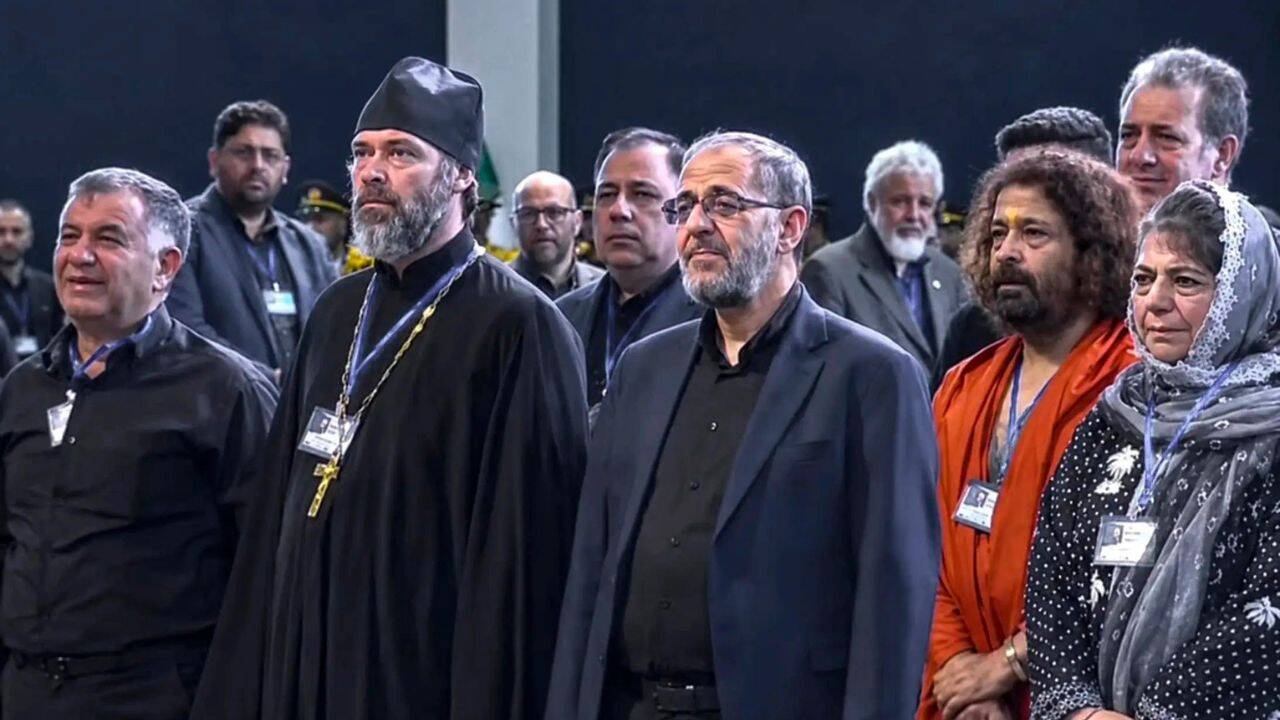
Iran's Embassy in India issued a statement thanking India for its participation in the funeral of Ayatollah Seyyed Ali Khamenei, who served as Iran's Supreme Leader. The embassy noted that the presence of an official Indian delegation, along with political leaders and ordinary citizens, was a powerful symbol of friendship.
Important Numbers and Facts
The funeral took place after Ayatollah Khamenei's death, which was announced on July 6, 2026. India sent a high-level delegation to attend the ceremony in Tehran. The Iranian embassy specifically mentioned that this gesture of solidarity will be remembered by the Iranian people for a long time.
Background and Context
India and Iran have shared close ties for centuries, based on trade, culture, and people-to-people connections. Iran is an important partner for India in the Middle East, especially in areas like energy and regional security. The two countries also work together on projects such as the Chabahar port, which gives India access to Afghanistan and Central Asia. Attending the funeral of a key leader is a traditional diplomatic gesture that shows respect and strengthens bilateral relations.
Public or Industry Reaction
The Iranian embassy's statement was widely shared on social media, with many users praising India's gesture. Political analysts in both countries noted that the move could help improve ties at a time when global politics are shifting. Some experts said that India's participation sends a message of stability and friendship in a region that often faces tensions.
What This Means Going Forward
This act of diplomacy is likely to deepen trust between India and Iran. It may lead to more cooperation on economic and security issues. For India, maintaining good relations with Iran is important for its energy needs and for balancing its ties with other countries in the region. For Iran, having India as a reliable friend is valuable as it deals with international pressures. The gesture could also open doors for more cultural and people-to-people exchanges in the future.
Final Take
India's presence at Ayatollah Khamenei's funeral was more than a formal diplomatic duty. It was a clear signal that New Delhi values its relationship with Tehran. In a world where alliances often change, such gestures of friendship help build lasting bonds between nations.
Frequently Asked Questions
Why did India send a delegation to Ayatollah Khamenei's funeral?
India sent a delegation to show respect and solidarity with Iran during its national mourning. It is a common diplomatic practice to attend the funerals of foreign leaders to strengthen bilateral ties.
What does this mean for India-Iran relations?
This gesture is expected to improve trust and cooperation between the two countries. It may lead to stronger economic and security partnerships, especially in areas like energy and regional connectivity.
How did Iran respond to India's participation?
Iran's Embassy in India publicly thanked New Delhi and said the gesture reflects the deep historical and cultural bonds between the two nations. Iran stated that it will never forget this act of friendship.



