Summary
The conflict involving Israel, the United States, and Iran has reached a dangerous new level. On Saturday, an Israeli strike in southern Lebanon killed at least three journalists who were traveling by car. At the same time, Houthi rebels in Yemen launched their first missile at Israel since the war began a month ago. Additionally, an Iranian missile strike on a military base in Saudi Arabia injured 12 American soldiers, marking a sharp increase in regional violence.
Main Impact
The war is no longer limited to a small area. The involvement of the Houthi rebels from Yemen and direct strikes on the Iranian capital, Tehran, show that the fighting is spreading across the Middle East. This expansion puts global trade at risk, especially in the Red Sea, which is a vital path for ships. The injury of American troops also increases the chance of the United States taking a more active role in the fighting, which could lead to a much larger international crisis.
Key Details
What Happened
In southern Lebanon, a car carrying media professionals was hit by an Israeli attack. Reports from the Al Manar television station confirmed that three people died. The victims included Ali Choeib from Al Manar and Fatime Ftuni from Al Mayadeen, along with her brother. A fourth person was also in the vehicle during the strike. This event has caused great concern about the safety of reporters covering the war from the front lines.
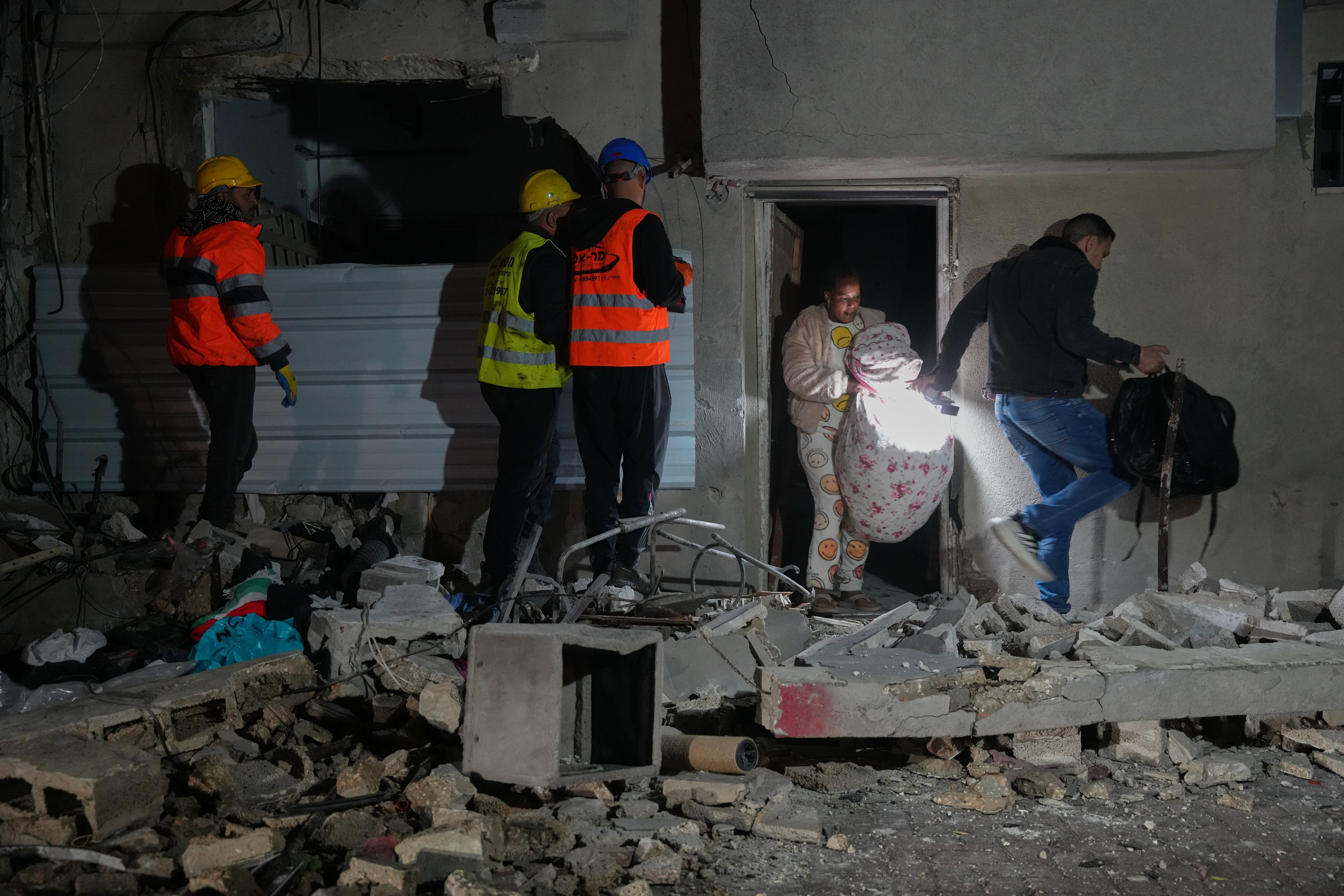
In another part of the region, the Houthi rebels in Yemen claimed they fired a missile toward Israel. This group is supported by Iran and has been threatening to join the fight for weeks. Meanwhile, the Iranian military targeted the Prince Sultan Air Base in Saudi Arabia. This base is used by the United States, and the missile attack resulted in 12 American soldiers being injured. In response, Israel carried out air strikes across Lebanon and in the city of Tehran, targeting communication centers used by Hezbollah.
Important Numbers and Facts
The current war has been going on for exactly one month. During the latest round of violence, 12 U.S. soldiers were hurt in Saudi Arabia. At least three journalists were killed in Lebanon. Israel also reported that it successfully stopped a group of Iranian missiles that were headed toward the center of the country. These figures show that the scale of the military actions is growing every day, involving more countries and more advanced weapons.
Background and Context
To understand why this is happening, it is important to know the roles of the different groups. Iran supports several groups in the region, including Hezbollah in Lebanon and the Houthi rebels in Yemen. These groups often work together against Israel and the United States. For the past month, the fighting was mostly between Israel and groups near its borders. However, the latest events show that the conflict is moving deeper into other countries.
The Red Sea is another important part of this story. It is a narrow sea that leads to the Suez Canal. Most of the world's goods and oil pass through this area on large ships. Because the Houthi rebels live near the Red Sea, their decision to join the war means they could try to stop these ships. If that happens, the price of food and fuel could go up all over the world.
Public or Industry Reaction
International leaders are worried about the safety of civilians and the stability of the global economy. Shipping companies are watching the situation in the Red Sea very closely. If the Houthis continue to fire missiles, many companies may decide to send their ships on longer, more expensive routes to avoid the danger. Media organizations have also expressed sadness and anger over the deaths of the journalists in Lebanon, calling for better protection for those who report from war zones.
What This Means Going Forward
The next few days will be critical. The United States will have to decide how to respond to the attack on its soldiers in Saudi Arabia. If the U.S. chooses to strike back directly at Iran, the war could become much more intense. At the same time, Israel is likely to continue its attacks on Hezbollah and Iranian targets to stop more missiles from being fired. The world will be watching to see if diplomatic efforts can slow down the violence or if the fighting will continue to spread to new countries.
Final Take
The situation has moved from a local fight to a regional war that involves major world powers. With journalists being killed and American troops being injured, the human cost is rising quickly. The threat to international shipping routes adds a global economic risk to an already unstable situation. The events of this Saturday show that the path to peace is becoming much harder to find.
Frequently Asked Questions
Who are the Houthi rebels?
The Houthis are a military group based in Yemen. They are supported and funded by Iran. They have recently joined the conflict by firing missiles at Israel and threatening ships in the Red Sea.
Why is the attack on the Prince Sultan Air Base important?
This base in Saudi Arabia is used by the United States military. An attack there that injures American soldiers is a major escalation and could force the U.S. to become more involved in the war.
How does this war affect the rest of the world?
Beyond the loss of life, the war threatens the Red Sea shipping routes. If these routes are blocked or become too dangerous, it could lead to higher prices for goods and energy globally.