Summary
Recent events show that Iran is changing its strategy in the Middle East. Instead of only focusing on the United States military, the Iranian government is now targeting civilian areas in neighboring Gulf countries. These nations are close partners with the U.S., and the attacks on their buildings and energy sites are causing great concern. This shift puts regular people and the global economy at risk because these areas are vital for the world's energy supply.
Main Impact
The biggest impact of this change is the increased danger to people who are not part of any military. By striking civilian sites, the conflict is moving away from army bases and into cities and industrial zones. This creates a sense of fear among the public and makes it harder for businesses to operate safely. Furthermore, these attacks threaten the flow of oil and gas to the rest of the world, which can lead to higher prices for everyone.
Key Details
What Happened
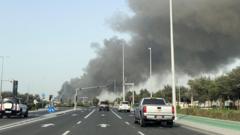
In recent months, there has been a rise in the use of drones and missiles aimed at non-military targets. These targets include oil processing plants, airports, and water facilities in countries like Saudi Arabia and the United Arab Emirates. These locations are essential for the daily lives of millions of people. Unlike military bases, these sites are often harder to protect because they cover large areas and are located near where people live and work.
Important Numbers and Facts
The weapons used in these attacks are often small, low-cost drones that are difficult for traditional radar systems to see. Reports show that dozens of these flying devices have been launched toward the Gulf states over the last year. While many are shot down, even a single successful hit on an oil facility can cause millions of dollars in damage and stop production for weeks. These countries are responsible for a large portion of the world's daily oil needs, making any disruption a global problem.
Background and Context
The tension between Iran and its neighbors has been high for many years. The Gulf Arab states have long been allies of the United States, hosting American troops and equipment. Iran views this relationship as a threat to its own power in the region. In the past, most disagreements were handled through politics or small military standoffs. However, as the U.S. continues to place pressure on Iran through trade rules and sanctions, Iran has looked for ways to push back. By attacking the allies of the U.S., Iran hopes to show that there is a high price to pay for supporting American interests in the Middle East.
Public or Industry Reaction
Leaders in the Gulf states are calling for stronger defense agreements. They want the United States to provide more advanced technology to stop drones and missiles before they reach their targets. At the same time, the international shipping and energy industries are on high alert. Insurance costs for ships traveling through the region have gone up, and companies are spending more money on private security. Many people living in these countries are also worried about their safety, as the sound of explosions near major cities has become more common.
What This Means Going Forward
Looking ahead, we can expect to see a "new normal" where civilian areas are part of the front line. This will likely lead to a massive increase in spending on defense technology across the Middle East. Countries will focus on buying systems that can detect small drones and block their signals. There is also a risk that these attacks could lead to a larger war if a strike causes a high number of civilian deaths. For now, the focus will be on finding ways to protect the buildings and systems that keep these countries running while trying to lower the tension through diplomatic talks.
Final Take
The move to target civilian sites is a serious development that changes the rules of the conflict. It shows that being an ally of a major power like the United States comes with significant risks. As long as the tension between Iran and the U.S. remains high, the people and the economy of the Gulf will remain in the line of fire. Protecting these areas is no longer just a local issue; it is a global necessity to ensure the world's energy and trade stay stable.
Frequently Asked Questions
Why is Iran attacking civilian sites instead of military bases?
Attacking civilian sites like oil plants causes more economic damage and puts more pressure on governments. It is a way for Iran to show that it can hurt its neighbors' economies and daily lives, not just their armies.
Which countries are being targeted the most?
The main targets have been Saudi Arabia and the United Arab Emirates. These countries are close allies of the United States and are key players in the global oil market.
How are these countries defending themselves?
They are using missile defense systems and working closely with the U.S. military to track drones. They are also investing in new technology specifically designed to stop small, low-flying drones that are hard for normal radar to find.