Summary
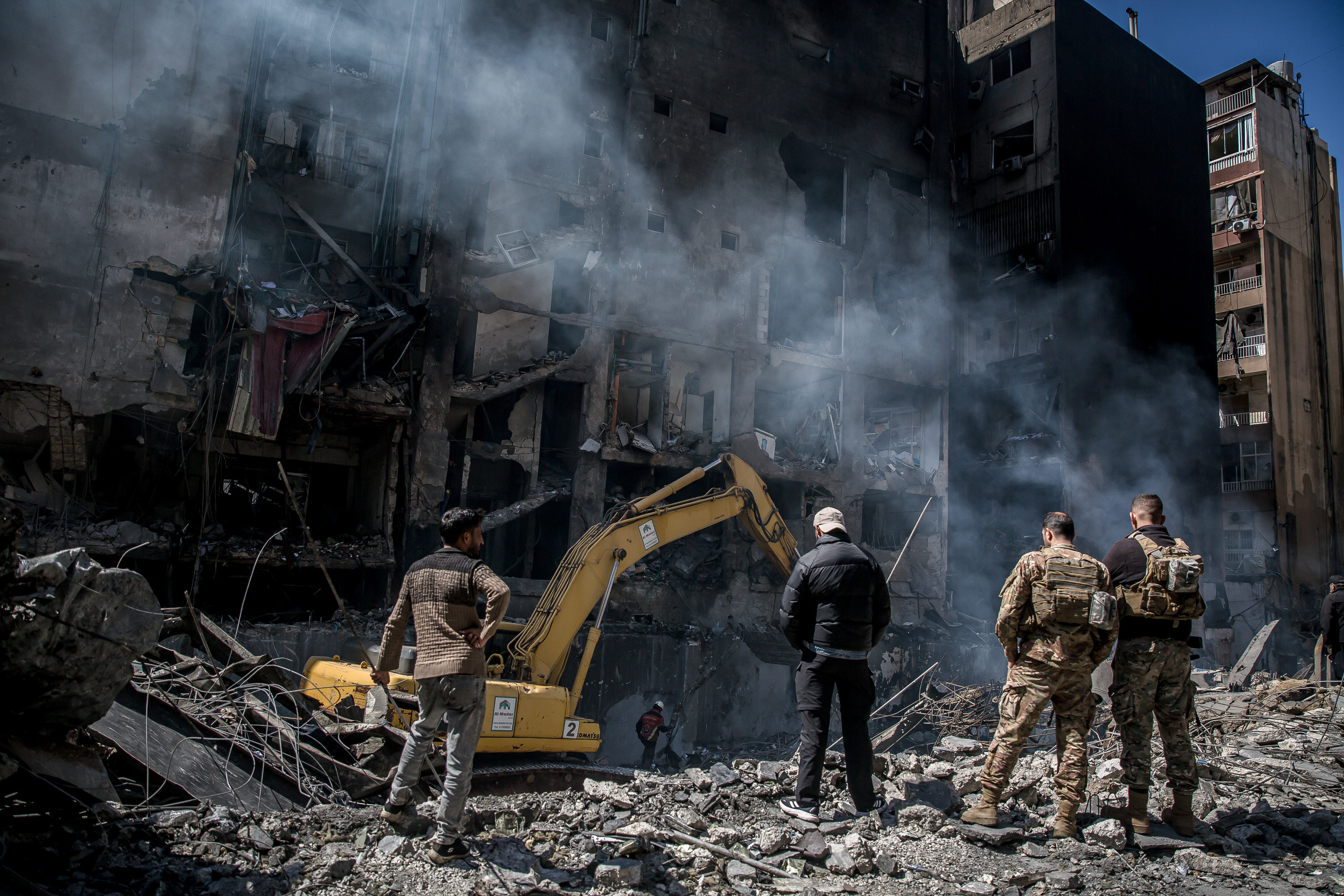
The government of Iran has set a firm condition for any future peace talks with the United States. Iranian officials stated on Friday that they will not engage in discussions unless a ceasefire is established in Lebanon. This move comes as Israel continues to carry out heavy military strikes against Hezbollah targets within Lebanese borders. The Iranian leadership insists that the U.S. must ensure peace on all fronts before any diplomatic progress can be made between the two nations.
Main Impact
This development creates a major roadblock for peace efforts in the Middle East. By linking talks with the U.S. to the situation in Lebanon, Iran is expanding the scope of the conflict. It means that local battles are now directly tied to global diplomacy. If the fighting in Lebanon does not stop, the chance of the U.S. and Iran reaching an agreement remains very low. This situation also puts more pressure on the global economy, as tensions near major oil shipping routes continue to rise.
Key Details
What Happened
Ismail Bagaei, the spokesperson for the Iranian Foreign Ministry, made the official announcement through the Tasnim news agency. He made it clear that Iran views the U.S. as responsible for the actions of its allies. According to Bagaei, the U.S. must prove it is committed to a ceasefire not just in one area, but across the entire region. Meanwhile, the conflict between Israel and Hezbollah shows no signs of slowing down. Israeli Prime Minister Benjamin Netanyahu recently mentioned that direct talks aimed at disarming Hezbollah have started, but the fighting on the ground continues.
Important Numbers and Facts
The security situation is also affecting neighboring countries. In Pakistan, the government has deployed the army in the capital city of Islamabad. Authorities have closed off main roads and entry points to prevent potential unrest. On the economic side, Iran has proposed a new plan to charge a fee or tax on ships passing through the Strait of Hormuz. This is a vital waterway where about 20% of the world's oil passes every day. President Donald Trump responded to this plan with a stern warning on social media, telling Iran to stop the plan immediately or face consequences.
Background and Context
To understand why this matters, we have to look at the relationships between these groups. Iran supports Hezbollah, a political and military group in Lebanon. Israel views Hezbollah as a major threat to its safety. For months, Israel and Hezbollah have been trading fire across the border. Iran believes that the U.S. has the power to stop Israel's military actions. By refusing to talk until Lebanon is safe, Iran is using its diplomatic influence to protect its allies. At the same time, the Strait of Hormuz is one of the most important places in the world for trade. Any disruption there can cause gas and oil prices to go up for everyone, which is why the U.S. president is monitoring the situation so closely.
Public or Industry Reaction
The reaction from the U.S. has been aggressive. President Donald Trump used his social media platform, Truth Social, to send a direct message to the Iranian leadership. He told them that they "better not" try to tax the ships in the Strait of Hormuz. This hardline stance suggests that the U.S. is not willing to give in to Iran's demands easily. In the shipping industry, there is growing worry. Companies that move oil and goods are concerned that the waterway could become a war zone or become too expensive to use. In Pakistan, the public is feeling the tension as the military presence in the streets creates a sense of fear and uncertainty about what will happen next.
What This Means Going Forward
The next few weeks will be critical for regional stability. If the U.S. and Israel do not agree to a ceasefire in Lebanon, Iran is unlikely to come to the table for talks. This could lead to a long period of "no peace, no war" where small battles continue to happen frequently. There is also the risk that Iran might follow through on its threat to tax ships. If that happens, the U.S. might take military action to keep the shipping lanes open. For now, the world is watching to see if any diplomatic group can find a way to separate the conflict in Lebanon from the larger negotiations between Washington and Tehran.
Final Take
The situation has reached a point where every local conflict is connected to a global problem. Iran’s demand for a ceasefire in Lebanon shows that they are not willing to talk in a vacuum. Without a broad agreement that covers multiple countries, the cycle of violence and economic threats is likely to continue. True progress will require all sides to step back from their current demands, but right now, both sides seem to be moving toward more confrontation rather than less.
Frequently Asked Questions
Why is Iran refusing to talk to the U.S.?
Iran says it will only negotiate if the U.S. ensures a ceasefire in Lebanon and other areas where fighting is happening. They want the attacks against their allies to stop before they sit down for peace talks.
What is the Strait of Hormuz and why is it important?
The Strait of Hormuz is a narrow waterway that connects the Persian Gulf with the rest of the world. It is the most important route for oil shipping. If it is blocked or if fees are added, it could make oil much more expensive globally.
What is happening in Pakistan?
The Pakistani government has put the army on the streets of Islamabad and closed major roads. They are doing this to maintain order because there is a lot of uncertainty and fear that the regional war could cause protests or violence within their own country.