
Summary
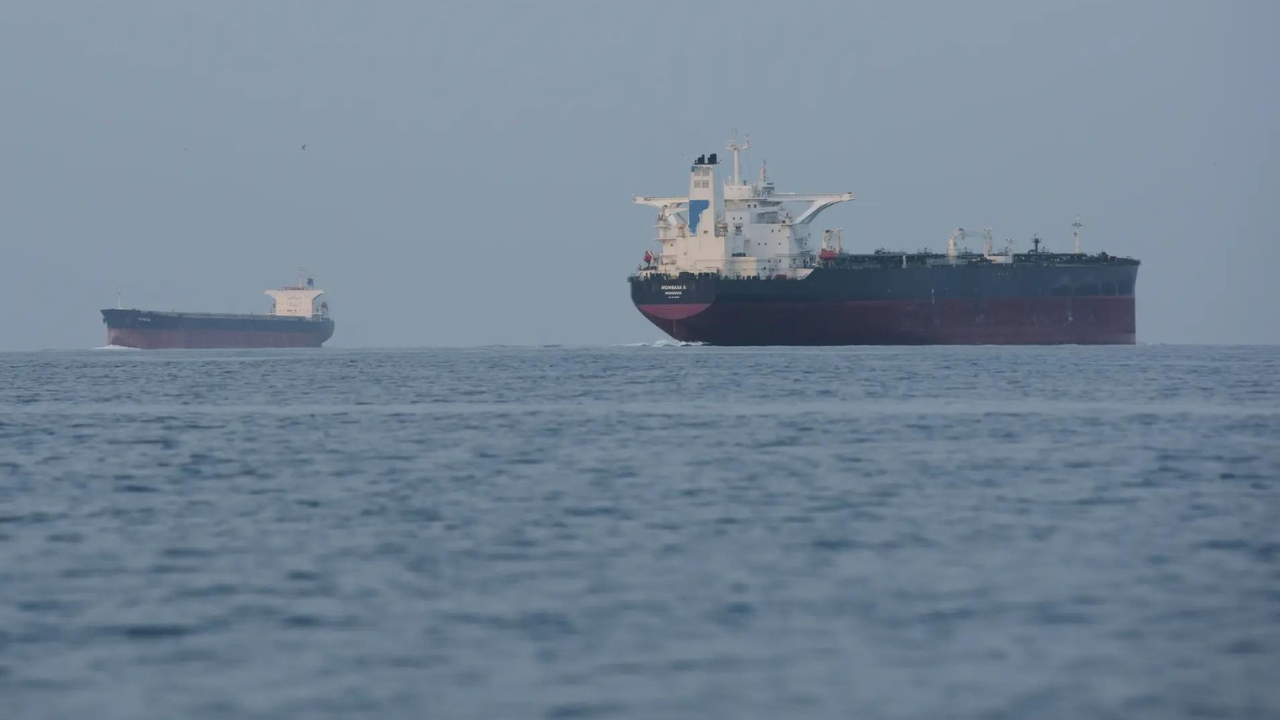
Iranian forces have seized two commercial ships in the Strait of Hormuz, a critical waterway for global energy supplies. One of the vessels was reportedly traveling toward Mundra port in Gujarat, India, when it was intercepted. This action by the Islamic Revolutionary Guard Corps (IRGC) has caused a fresh wave of concern regarding the safety of international trade routes. The incident highlights the ongoing instability in the region and the risks faced by merchant ships operating in Middle Eastern waters.
Main Impact
The seizure of these vessels has an immediate effect on maritime security and global trade confidence. By taking control of a ship bound for India, Iran has brought the conflict closer to South Asian economic interests. This move disrupts the flow of goods and creates a sense of uncertainty for shipping companies that rely on the Strait of Hormuz. When such incidents occur, insurance costs for ships often go up, and shipping routes may be changed, leading to delays and higher prices for consumers.
Key Details
What Happened
The Islamic Revolutionary Guard Corps, a powerful branch of the Iranian military, took custody of two ships near the Strait of Hormuz. The military forces approached the vessels and forced them to change course into Iranian waters. While the specific reasons for the seizure have not been fully detailed by Iranian authorities, such actions are often linked to political disputes or accusations of maritime violations. One of the ships was specifically identified as being on its way to the Mundra port in Gujarat, which is one of India's most important trade hubs.
Important Numbers and Facts
The Strait of Hormuz is a narrow passage where about 20% to 30% of the world's total oil supply passes every day. This makes it the most important oil chokepoint on the planet. Mundra port, the destination for one of the ships, is India's largest private port and handles a massive volume of containers and fuel. This is not an isolated event; there have been several similar seizures over the past year involving ships with various international connections. The timing is also notable as it comes during a period where many hoped a ceasefire in regional conflicts would lead to calmer waters.
Background and Context
To understand why this matters, one must look at the geography of the region. The Strait of Hormuz sits between the Persian Gulf and the Gulf of Oman. It is the only way for big oil tankers to get out of the Middle East and into the open ocean. Because it is so narrow, it is easy for a military force to block or monitor. Iran has used its position along this strait to exert influence for many years. In the past, ships have been seized due to legal disputes, sanctions, or as a response to international pressure on Iran. For India, this is a major concern because the country imports a large portion of its crude oil from this region. Any trouble in the strait directly threatens India's energy security and its manufacturing industry.
Public or Industry Reaction
The international shipping community has expressed deep concern over the safety of crew members and the freedom of navigation. Maritime experts warn that these seizures make the region a "high-risk zone," which forces companies to hire extra security or take longer, more expensive paths around the area. In India, trade groups and government officials are closely watching the situation. There is a growing demand for better protection for Indian-bound cargo. Global leaders have often called for the immediate release of seized vessels, arguing that commercial trade should stay separate from political or military disagreements.
What This Means Going Forward
Looking ahead, the situation remains tense. If these seizures continue, we might see more naval ships from other countries patrolling the area to protect merchant vessels. This could lead to more military presence in an already crowded waterway, increasing the risk of an accidental clash. For India, the focus will be on ensuring that its trade routes remain open. There may be new diplomatic talks to ensure that ships heading to Indian ports are not targeted. Shipping companies will likely remain on high alert, and we may see changes in how cargo is moved through the Middle East in the coming months.
Final Take
The seizure of a Gujarat-bound ship is a reminder that global trade is often at the mercy of regional politics. As long as the Strait of Hormuz remains a point of conflict, the global economy will face risks. Protecting these vital water passages is not just a local issue but a necessity for the entire world's stability and economic health.
Frequently Asked Questions
Why is the Strait of Hormuz so important?
It is the main path for oil tankers leaving the Middle East. A huge portion of the world's oil and natural gas travels through this narrow waterway, making it vital for global energy prices.
What is Mundra port?
Mundra port is located in Gujarat, India. It is the largest private port in the country and serves as a major gateway for international trade, handling everything from electronics to raw energy resources.
Who seized the ships?
The ships were taken by the Islamic Revolutionary Guard Corps (IRGC), which is a major branch of the Iranian military responsible for protecting the country's borders and interests.



