Summary
Iran has officially turned down a peace proposal from the United States, calling the terms of the deal "excessive." The Iranian government stated that it will not stop its military actions until the U.S. and Israel end their attacks and assassinations. This rejection comes at a time of high tension, as fighting continues to spread across several countries in the Middle East. The move suggests that a quick end to the conflict is unlikely as both sides remain far apart on their demands.
Main Impact
The decision by Iran to reject the peace deal has a major impact on the safety of the region. Instead of moving toward a ceasefire, the conflict is growing. This rejection means that the cycle of missile strikes and bombings will likely continue. It also shows that diplomatic efforts are struggling to find a middle ground. Because the deal was refused, the United States is now looking at increasing its military presence, which could lead to even more fighting in the coming weeks.
Key Details
What Happened
The U.S. sent a peace plan to Iran through the government of Pakistan. Iranian officials reviewed the document but decided the conditions were too demanding. According to Iranian state media, the government believes the U.S. is asking for too much while continuing to support military strikes against Iranian interests. Iran has made it clear that they will only stop their "defense operations" once the U.S. and Israel stop their own military campaigns. At the same time, Iran denied claims made by Donald Trump that talks were moving in a positive direction, calling those statements "false."
Important Numbers and Facts
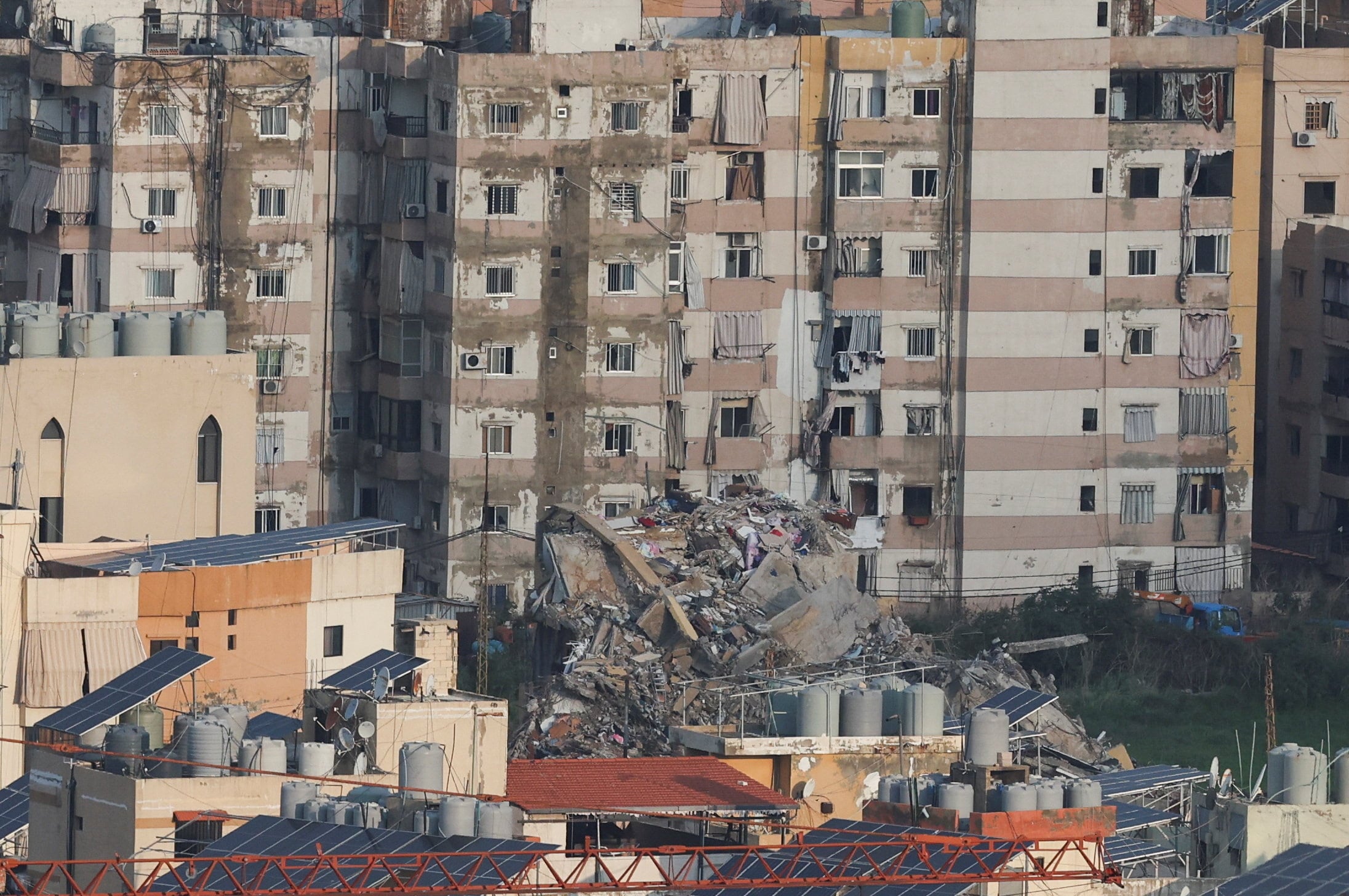
The military situation on the ground is changing fast. The U.S. is currently considering the deployment of 2,000 paratroopers—soldiers trained to jump from planes into combat zones—to the Middle East. On the battlefield, Iran launched a new wave of attacks against Israel, causing sirens to go off in the northern and central parts of the country. In response, the Israeli military bombed targets in Tehran, the capital of Iran, and in Lebanon. Furthermore, both Iraq and Saudi Arabia have reported that attacks have hit their territories, showing that the war is moving beyond the borders of the main fighters.
Background and Context
This conflict is part of a long-standing disagreement between Iran, Israel, and the United States. For many years, these nations have been at odds over power and influence in the Middle East. The U.S. and Israel want to stop Iran from growing its military strength and supporting armed groups in other countries. Iran, on the other hand, wants the U.S. military to leave the region and wants to stop Israel's military actions. This latest peace proposal was an attempt to find a way out of the current war, but the deep lack of trust between the two sides makes any agreement very difficult to reach. Pakistan and Turkey have been mentioned as possible places where future talks could happen, as they often act as neutral ground for these types of discussions.
Public or Industry Reaction
The reaction from Iranian leaders has been firm. Mohamad Baqer Qalibaf, the head of Iran’s parliament, said the country is "closely watching" the movement of U.S. troops. This suggests that Iran is preparing for the possibility of more U.S. involvement. Meanwhile, the international community is worried about the reports of attacks in Iraq and Saudi Arabia. These countries are major oil producers, and any fighting on their land can cause global problems, such as higher gas prices. Many world leaders are calling for calm, but the actual fighters on the ground are showing no signs of slowing down.
What This Means Going Forward
The next few days will be critical. If the U.S. follows through and sends 2,000 more soldiers to the region, Iran may see this as a threat and increase its own attacks. The fact that the war is now touching Iraq and Saudi Arabia is a dangerous sign. It means the conflict could turn into a much larger regional war involving many more countries. For now, diplomacy seems to be at a standstill. Without a new proposal that both sides can agree on, the violence is expected to continue. People living in the affected areas remain on high alert as air raid sirens and bombings become a daily occurrence.
Final Take
The rejection of the U.S. peace plan shows just how hard it is to end this war. Both sides have very different ideas of what a fair deal looks like. As long as the U.S. and Israel continue their strikes and Iran continues its "defense operations," the chance for peace remains low. The focus now shifts to whether a new middleman can bring the two sides back to the table before the violence spreads even further.
Frequently Asked Questions
Why did Iran say no to the peace deal?
Iran felt the conditions were "excessive" and one-sided. They want the U.S. and Israel to stop all attacks and assassinations before they agree to stop fighting.
Which countries are trying to help with negotiations?
Pakistan has been acting as a messenger between the U.S. and Iran. Turkey has also been suggested as a possible location for future peace talks.
Is the war spreading to other countries?
Yes. Recent reports show that attacks have occurred in Lebanon, Iraq, and Saudi Arabia, in addition to the main fighting between Israel and Iran.