
Summary
Global financial markets are showing signs of stress as the conflict between the U.S., Israel, and Iran enters its sixth week. Stock futures fell and oil prices climbed following a series of aggressive warnings from President Donald Trump directed at the Iranian government. These developments come as fuel shortages begin to impact international travel and energy use in Europe and Asia. The situation has reached a critical point as a new deadline for Iran to open a vital shipping route approaches this Tuesday.
Main Impact
The most immediate effect of the ongoing war is being felt at the gas pump and in the global energy supply chain. In the United States, the average price for a gallon of gasoline has reached $4.11, a sharp increase from the $2.98 seen before the conflict began. This rise in fuel costs is making it more expensive for families to drive and for businesses to move goods.
Beyond the U.S., the impact is even more severe. Several countries in Asia have already started to limit how much energy people and businesses can use. In Europe, Italy has been forced to restrict jet fuel supplies at multiple airports. Because Europe relies heavily on fuel from Middle Eastern refineries, these shortages could lead to canceled flights and higher travel costs across the continent. Investors are worried that if the war continues, these energy problems will get worse and slow down the global economy.
Key Details
What Happened
Over the weekend, President Trump issued a series of strong statements on social media and in news interviews. He demanded that Iran open the Strait of Hormuz, a narrow and vital waterway for the world's oil trade. The President set a new deadline for Tuesday, warning that failure to comply would lead to the destruction of Iran’s infrastructure. This follows a previous deadline that passed without a resolution. The tension increased after a U.S. airman was rescued following a dangerous mission inside Iranian territory, an event that has changed how the U.S. views its military options.
Important Numbers and Facts
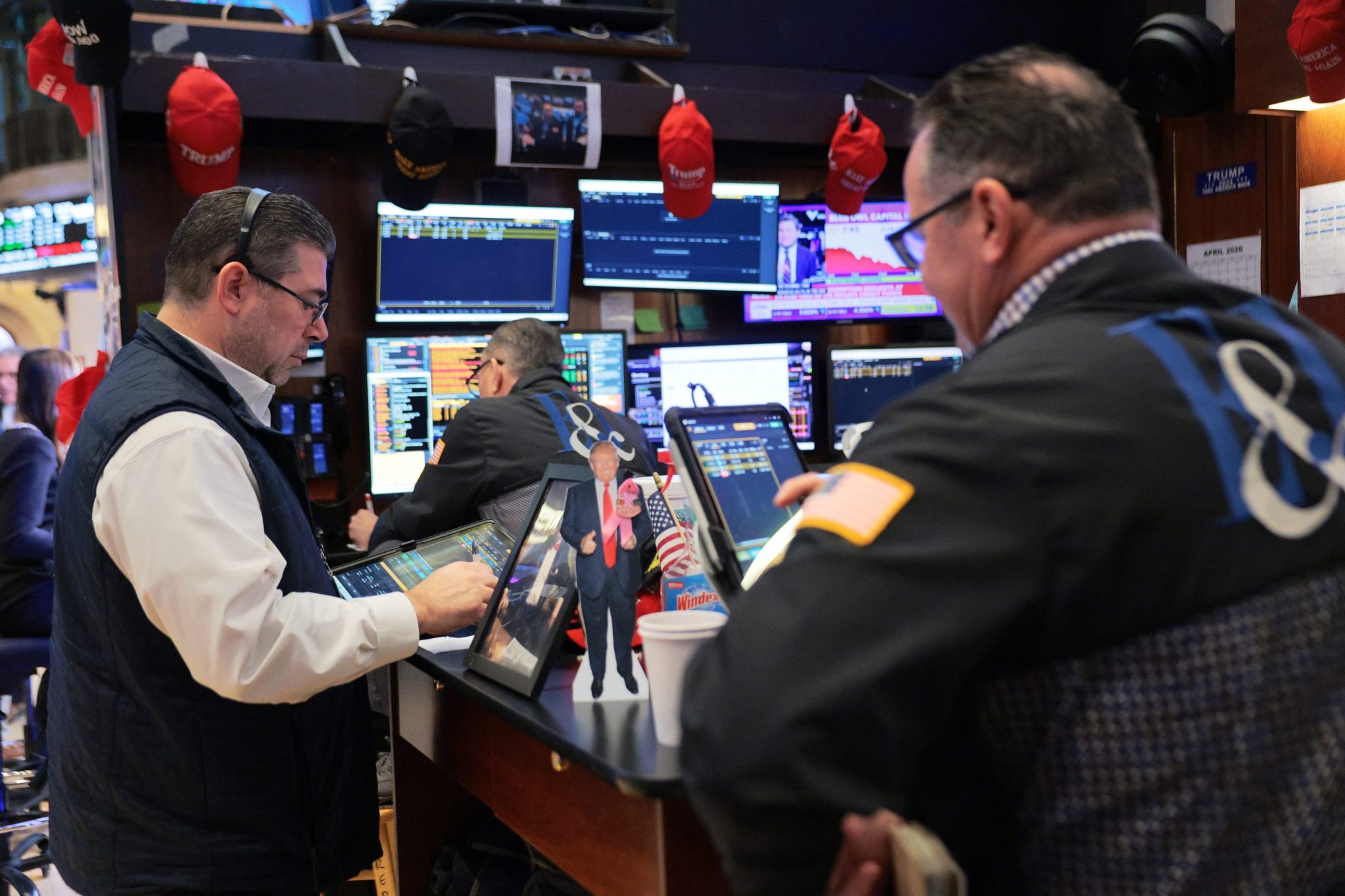
The financial markets reacted quickly to the rising tension. Dow Jones futures dropped by 158 points, while the S&P 500 and Nasdaq also saw declines. U.S. oil prices rose to $111.96 per barrel, and Brent crude, the international standard, reached $110.04. In the bond market, the yield on the 10-year Treasury rose to 4.356%, which often happens when investors are nervous about the future. On the military side, more than 2,000 Marines are currently stationed in the Middle East, with thousands more troops and a third aircraft carrier on the way to the region.
Background and Context
The conflict has now lasted for six weeks, which was the maximum time President Trump originally predicted the war would take. The main point of contention is the Strait of Hormuz. This waterway is one of the most important places in the world for the oil industry. When it is blocked or threatened, the global supply of oil drops, causing prices to spike everywhere. Iran has maintained a strong grip on this area, only allowing a small number of ships to pass through. The U.S. and its allies want the route fully open to stabilize energy prices and ensure the free flow of trade. The war began as a joint effort between the U.S. and Israel against Iran, and it has since grown into a major international crisis.
Public or Industry Reaction
The response from Iran has been equally defiant. Mohammad-Bagher Ghalibaf, the speaker of Iran’s parliament, warned that the U.S. is heading toward a "living hell." He argued that the U.S. is following the lead of Israeli Prime Minister Benjamin Netanyahu and that the entire region could be caught in the fire. He stated that war crimes would not solve the problem and called for the U.S. to respect the rights of the Iranian people.
Market analysts are also divided on what comes next. Some experts believe the successful rescue of the U.S. airman might make the U.S. government more confident in launching ground attacks. Others argue that the loss of several aircraft during that rescue mission shows that a full-scale invasion would be too risky and costly. This uncertainty is keeping investors on edge, as they are unsure if the situation will be resolved through a deal or more fighting.
What This Means Going Forward
The next 48 hours are vital for the global economy and international safety. If the Tuesday deadline passes without Iran opening the Strait of Hormuz, the U.S. may follow through on threats to strike power plants and bridges. There is also a possibility that U.S. forces could try to seize Kharg Island, which is where 90% of Iran’s oil exports come from. Such a move would be a major escalation and could lead to a much larger war. For everyday people, this means gas prices are likely to stay high or even go up further. Businesses will also have to deal with the rising costs of shipping and energy, which could lead to higher prices for many common goods.
Final Take
The world is watching to see if diplomacy or force will win out in the coming days. With fuel shortages spreading and military forces growing, the pressure on both sides to find a solution is higher than ever. The Tuesday deadline represents a major turning point that will decide if the global economy recovers or faces a much deeper crisis.
Frequently Asked Questions
Why are gas prices going up so fast?
Gas prices are rising because the war in the Middle East has threatened the supply of oil. When a major shipping route like the Strait of Hormuz is blocked, there is less oil available, which makes the price go up for everyone.
What is the Strait of Hormuz?
It is a narrow water path that connects the Persian Gulf with the rest of the world. It is the most important route for oil tankers. If it is closed, a large portion of the world's oil cannot reach its destination.
What happens if the Tuesday deadline is missed?
President Trump has threatened to destroy Iran's power plants and take control of their oil facilities if the waterway is not opened by Tuesday. This could lead to a significant increase in military action in the region.



