
Summary
President Donald Trump recently announced that Iran has agreed to stop its nuclear program for an unlimited amount of time. This statement has created hope that the current war between the two nations might be coming to an end. The news follows an announcement from Iran that it has reopened the Strait of Hormuz, a vital path for world oil shipments. While Trump expressed optimism about a final deal, he made it clear that the United States does not plan to give Iran any frozen money as part of the agreement.
Main Impact
The most immediate impact of this news was felt in the global energy market. As soon as word spread about a potential deal and the reopening of the shipping lanes, the price of oil and gas dropped sharply. This is a major relief for many countries that have been struggling with high energy costs since the war began in February. Investors and business leaders are now watching closely to see if this progress will lead to lasting peace and stable fuel prices.
Key Details
What Happened
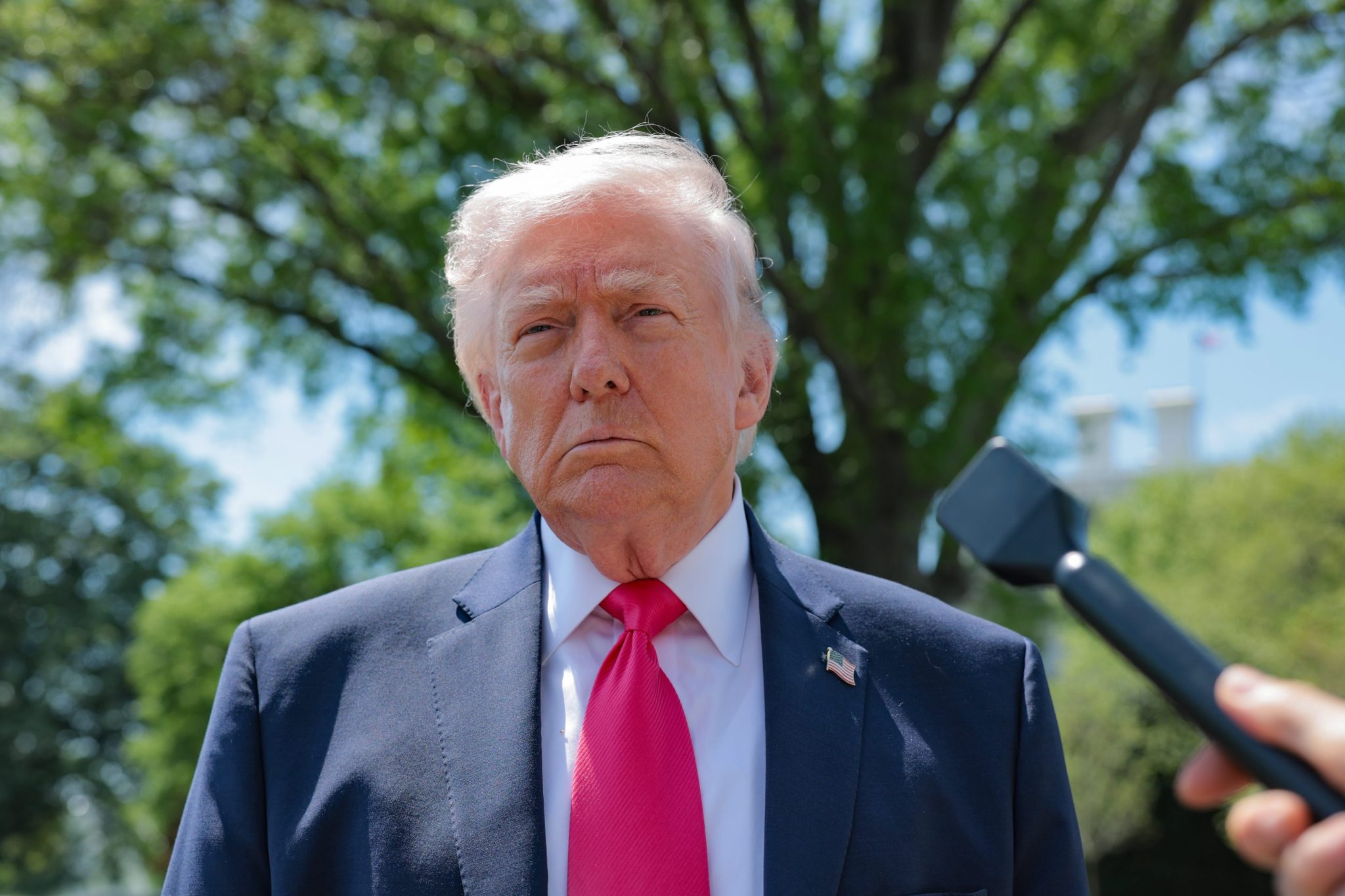
During a phone interview on Friday, President Trump said that Iran is ready to pause its nuclear activities indefinitely. He noted that most of the important parts of a peace deal are already finished. This development happened at the same time that Iran opened the Strait of Hormuz to commercial ships. This move came after Israel agreed to a temporary stop in fighting in Lebanon. Shortly after the announcement, at least eight large oil tankers were seen moving toward the strait to see if it was truly safe to pass.
Trump also spoke to reporters on Air Force One while returning to Washington. He mentioned receiving "pretty good news" regarding the situation but did not give specific details. He said that talks would continue through the weekend to try and finalize the agreement.
Important Numbers and Facts
The financial markets reacted quickly to these events. Brent crude oil, which is a main benchmark for oil prices, fell by 9% to reach about $90 per barrel. This drop erased most of the price increases seen since the war started. In another significant move, physical oil prices fell below $100 a barrel for the first time in over a month. There have been reports that the U.S. might release $20 billion in frozen Iranian funds, but President Trump has repeatedly denied this, saying "no" to the idea of giving Iran cash.
Background and Context
The conflict between the U.S., Israel, and Iran took a violent turn in late February 2026. At that time, the U.S. and Israel launched attacks against targets in Iran. Iran responded by attacking U.S. military bases in the region and hitting oil facilities belonging to American allies. These actions caused a major crisis where fuel became very expensive and hard to find. The Strait of Hormuz is a narrow waterway that is essential for moving oil from the Middle East to the rest of the world. When it is blocked, the entire world feels the economic pain.
For years, the U.S. has tried to prevent Iran from building a nuclear weapon. In 2015, a deal was made to limit Iran's nuclear work in exchange for money and less strict rules. Trump ended that deal in 2018, calling it a bad agreement. He argued it did not do enough to stop Iran's long-term goals. Now, he is trying to create a new deal that he believes will be much stronger and more permanent.
Public or Industry Reaction
While many people are happy that oil prices are going down, some politicians are worried. Some members of the Republican party are concerned that any new deal might look too much like the 2015 agreement that Trump previously criticized. Senator Lindsey Graham stated that he trusts the President not to give Iran billions of dollars. He believes Iran should not be rewarded after causing trouble in the region.
In the business world, many experts remain cautious. They are not sure if oil will start flowing normally right away. The U.S. still has a blockade on ships going to Iranian ports, and Iran has said it might take action if that blockade is not lifted. Meanwhile, the Israeli government has said its military work in Lebanon is not yet finished, even though there is a temporary ceasefire.
What This Means Going Forward
The next few days will be critical for these negotiations. Trump suggested he might travel to Pakistan to sign an official agreement if the talks go well. However, there is still a lot of tension. The President warned that if a deal is not reached by the time the current ceasefire ends next week, the U.S. might start military strikes again. He mentioned that without a successful deal, the blockade would continue, and the military would have to resume bombing.
The goal for the U.S. is to ensure Iran never gets a nuclear weapon while also stopping the attacks on oil infrastructure. For Iran, the goal is likely to get the U.S. to stop the blockade and allow their economy to function again. Both sides are under pressure to find a solution that prevents the war from getting even worse.
Final Take
The possibility of a deal between the U.S. and Iran offers a rare moment of hope in a very violent year. While the drop in oil prices is a good sign for the global economy, the political path ahead is full of challenges. For a peace deal to work, it must be strong enough to satisfy critics at home while also being acceptable to the leaders in Tehran. The coming weekend of talks will likely decide if the region moves toward peace or returns to active warfare.
Frequently Asked Questions
Why did oil prices drop so quickly?
Oil prices fell because Iran reopened the Strait of Hormuz and President Trump announced progress on a peace deal. This made investors believe that fuel supplies would soon be safe and plentiful again.
Is the U.S. giving Iran $20 billion?
While there were reports that the U.S. might release $20 billion in frozen funds to Iran, President Trump has denied this. He stated that the U.S. does not plan to give Iran any money as part of the current talks.
What is the Strait of Hormuz?
The Strait of Hormuz is a very important waterway in the Middle East. A large portion of the world's oil passes through this narrow path. When it is closed or dangerous, global energy prices usually go up very fast.



