
Summary
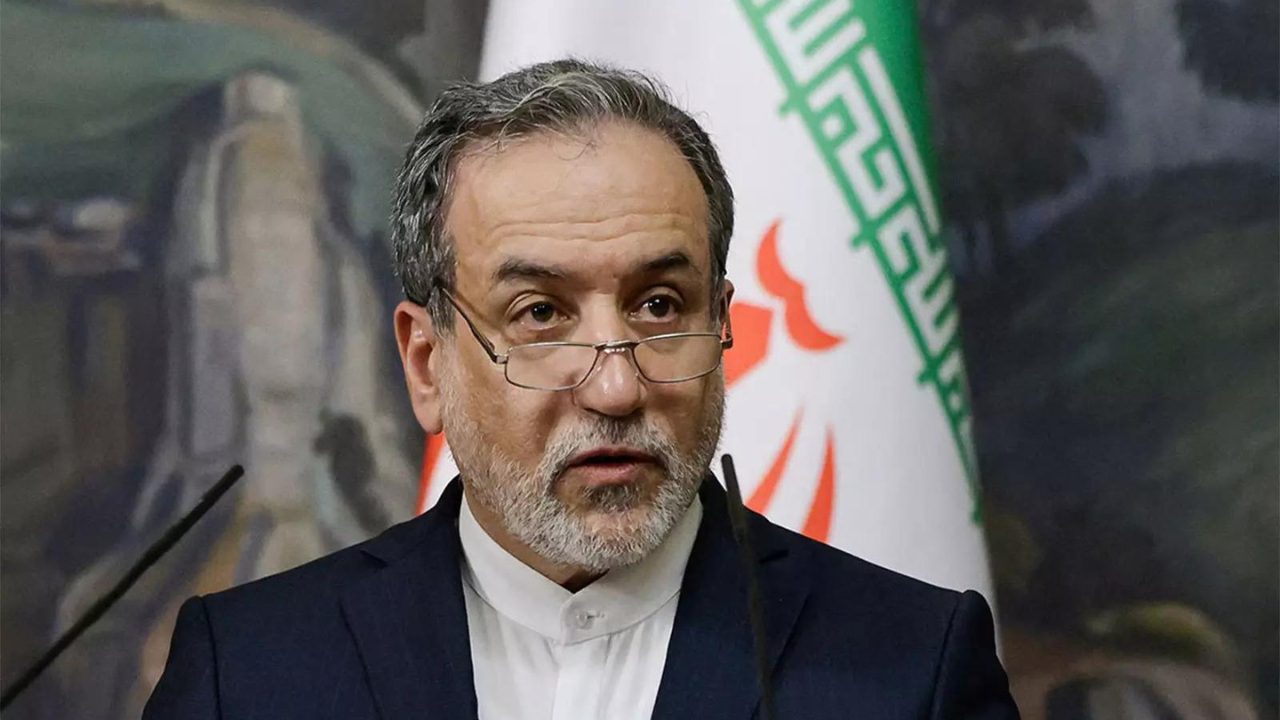
Iran’s Foreign Minister has issued a formal warning to the United Nations regarding the high risk of a nuclear accident. This warning follows recent military strikes by the United States and Israel that landed near the Bushehr nuclear power plant. The Iranian government stated that these attacks have created a serious threat of radioactive contamination. With one staff member already reported dead, international observers are worried that continued fighting near nuclear sites could lead to a global environmental disaster.
Main Impact
The primary impact of these strikes is the immediate threat to human life and the environment. When military weapons explode near a nuclear facility, there is a chance that the containment structures or cooling systems could be damaged. If these systems fail, radioactive material could leak into the atmosphere or the surrounding sea. This would not only harm the people living in Iran but could also spread toxic radiation to neighboring countries across the Persian Gulf. The death of a facility worker has already shown that the danger is real and immediate.
Key Details
What Happened
According to reports from the Iranian government, a series of strikes conducted by US and Israeli forces targeted areas in close proximity to the Bushehr nuclear facility. During the exchange, at least one projectile landed near the plant's infrastructure. This specific strike resulted in the death of a staff member who was working at the site. While the reactor itself has not been reported as breached yet, the proximity of the explosions has caused panic regarding the stability of the plant’s safety protocols.
Important Numbers and Facts
The Bushehr nuclear power plant is Iran’s first and largest civilian nuclear facility. It is located on the country’s southern coast. The International Atomic Energy Agency (IAEA) has been monitoring the situation closely. Following the strikes, the IAEA expressed deep concern about the safety of nuclear workers and the integrity of the facility. International law generally prohibits attacks on nuclear power plants because of the extreme risk they pose to civilians. The death of one employee marks a significant escalation in the conflict, as it shows that the "buffer zones" around these sensitive sites are no longer being respected.
Background and Context
The Bushehr plant has long been a point of tension between Iran and the West. While Iran maintains that the facility is used strictly for generating electricity for its citizens, other nations have expressed concern over Iran’s broader nuclear program. The plant was built with help from Russia and is a vital part of Iran’s energy grid. In recent months, military tensions in the region have increased significantly. Israel and the United States have often stated that they will take necessary steps to prevent Iran from expanding its nuclear capabilities, leading to the current cycle of strikes and counter-strikes.
Public or Industry Reaction
The International Atomic Energy Agency (IAEA) has reacted with alarm. The agency’s leaders have warned that nuclear facilities must never be targets in a military conflict. They pointed out that an accident at Bushehr would be a "transboundary" disaster, meaning the radiation would not stay within Iran’s borders. Other countries in the region are also worried. Many nations that share the waters of the Persian Gulf rely on that water for drinking and fishing. Any radioactive leak would ruin the local economy and cause a long-term health crisis for millions of people.
What This Means Going Forward
The situation is now at a critical turning point. If the United Nations does not take action to enforce a "no-strike" rule around nuclear facilities, the risk of a meltdown will grow. Iran is likely to use this event to gain diplomatic support, arguing that its civilian infrastructure is being unfairly targeted. Meanwhile, the US and Israel may face pressure to explain why strikes were conducted so close to a hazardous site. The next steps will involve intense discussions at the UN Security Council to determine if international monitors need to be sent to the site to check for structural damage or radiation leaks.
Final Take
War is always dangerous, but bringing conflict to the doorstep of a nuclear reactor introduces a level of risk that the world cannot afford. A single mistake or a stray missile could turn a local military conflict into a global health catastrophe. Protecting nuclear sites must be a priority for all sides, regardless of their political or military goals. The death of a worker at Bushehr should serve as a final warning that the current path is far too dangerous for the entire region.
Frequently Asked Questions
Is there a radiation leak at the Bushehr plant right now?
As of the latest reports, there has been no confirmed leak of radioactive material. However, the Iranian government warns that the risk is very high due to the proximity of recent military strikes.
Why is the Bushehr plant so important?
Bushehr is Iran's main civilian nuclear power station. It provides a large amount of electricity to the Iranian people and is a symbol of the country's technological development.
What does international law say about attacking nuclear plants?
International rules, including the Geneva Conventions, generally forbid attacking nuclear power stations. This is because the potential for a massive release of radiation poses a "severe" threat to the civilian population.

