
Summary
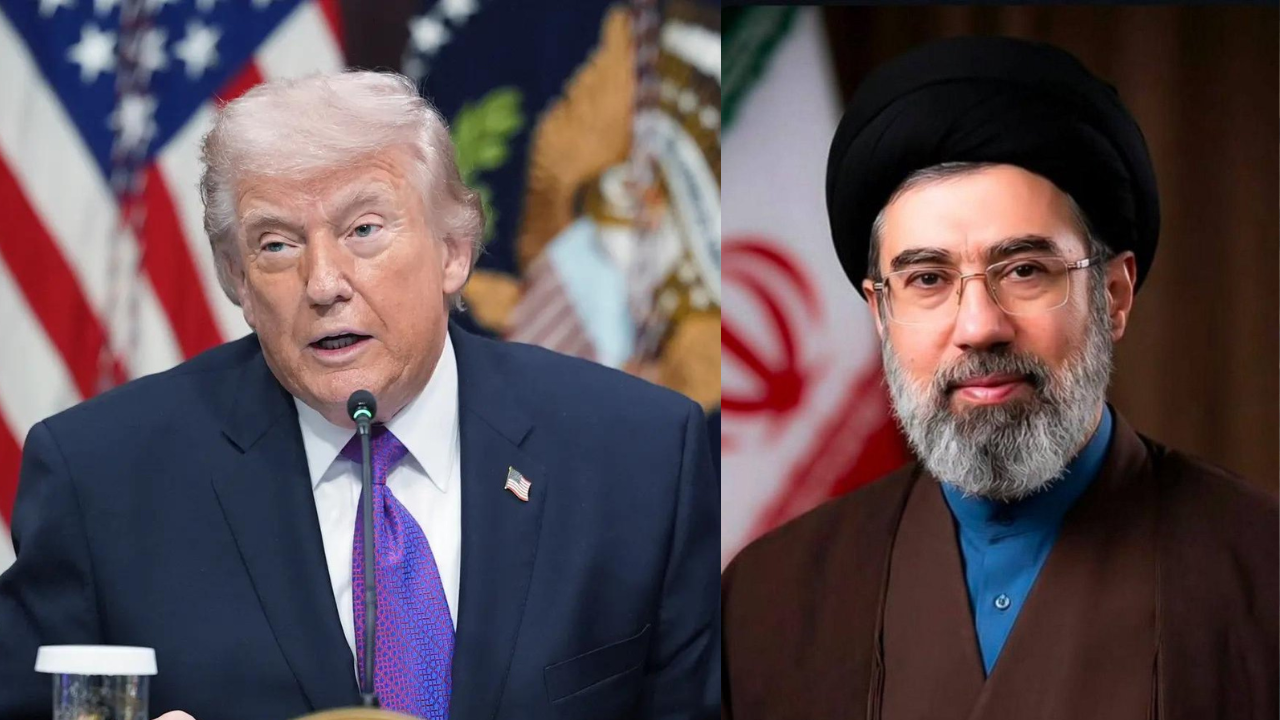
Former President Donald Trump recently made a serious claim regarding Iran’s military strength and its goals in the Middle East. He stated that Iran had positioned approximately 1,200 missiles to target four specific countries in the region. According to Trump, this move was part of a larger plan for Iran to take control of the Middle East. These comments come at a time of high tension, especially with the rise of Iran’s new leader, Mojtaba Khamenei.
Main Impact
The primary impact of these statements is an increase in regional anxiety. By naming a specific number of missiles and a clear goal of regional takeover, Trump is highlighting a massive security threat. This could lead to neighboring countries increasing their military spending or seeking stronger defense ties with the United States. Furthermore, Trump’s dismissal of Iran’s naval power could encourage more international shipping activity in contested waters, though it also raises the risk of a direct confrontation at sea.
Key Details
What Happened
Donald Trump spoke about the growing threat from Iran, focusing on their missile stockpile and leadership changes. He claimed that the Iranian government had aimed a massive number of weapons at four neighboring nations. He also addressed the rumors surrounding Mojtaba Khamenei, the son of the previous Supreme Leader. While some reports suggested Mojtaba might be injured or incapacitated, Trump indicated that he believes the new leader is alive and active. Trump also spoke about the Strait of Hormuz, a vital water path for global oil, telling shipping companies they should not be afraid to pass through it.
Important Numbers and Facts
The most striking figure mentioned was the 1,200 missiles allegedly ready for use. Trump identified four countries as the primary targets, though he did not list them by name in this specific statement. Historically, Iran has been in conflict with nations like Saudi Arabia, the United Arab Emirates, and Israel. Another key point was Trump’s assessment of the Iranian Navy. He described it as weak, suggesting it does not have the power to stop large international vessels from moving through the Strait of Hormuz.
Background and Context
To understand why this matters, it is important to look at the history of the region. Iran has spent decades building one of the largest missile programs in the Middle East. They use these weapons as a way to show power since their traditional air force is older and less advanced. The Strait of Hormuz is another critical piece of this puzzle. About twenty percent of the world’s oil passes through this narrow waterway. If Iran were to block it, gas prices would go up everywhere, and the global economy would face a crisis.
The leadership change in Iran is also a major factor. For many years, Ali Khamenei held the highest power. Now, his son Mojtaba Khamenei is stepping into a major role. There has been a lot of mystery about his health and his plans for the country. Trump’s comments suggest that the U.S. is keeping a very close eye on this transition to see if the new leader will be more aggressive than the last one.
Public or Industry Reaction
The reaction to these claims has been mixed. Military experts are looking at the 1,200-missile figure to see if it matches current intelligence reports. While Iran is known to have a large arsenal, the claim that they were ready to "take over" the region is a very strong statement. Leaders in the shipping industry are also watching closely. While Trump encouraged them to use the Strait of Hormuz, many companies are still worried about the safety of their crews and cargo. Insurance costs for ships traveling near Iran often go up when talk of missile threats increases.
What This Means Going Forward
Looking ahead, the relationship between the United States and Iran appears to be getting more difficult. If the U.S. continues to challenge Iran’s naval strength, we might see more military drills in the Persian Gulf. There is also the possibility of new sanctions or trade rules meant to stop Iran from building more missiles. The four countries mentioned as targets will likely work closer with the U.S. to build better missile defense systems, such as the Patriot system or other high-tech shields. The world will also be watching Mojtaba Khamenei to see if he makes a public appearance to prove he is healthy and in control.
Final Take
The claim of 1,200 missiles aimed at neighboring countries serves as a reminder of how fragile peace is in the Middle East. Whether the goal was a total takeover or simply a show of force, the presence of such a large weapon count changes how other countries must plan for their safety. As leadership changes in Iran, the rest of the world must stay alert to ensure that these tensions do not turn into a full-scale conflict.
Frequently Asked Questions
How many missiles did Trump say Iran has?
Trump stated that Iran has approximately 1,200 missiles pointed at four different countries in the Middle East.
Who is the new leader of Iran mentioned in the report?
The report mentions Mojtaba Khamenei, who is the son of the previous Supreme Leader and is now a central figure in Iran's government.
Why is the Strait of Hormuz important?
The Strait of Hormuz is a vital waterway for the global oil trade. A large portion of the world's oil supply travels through this area, making it a major point of concern for international security.

