Summary
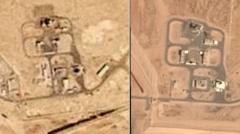
New reports show that Iranian military strikes on bases used by the United States have caused approximately $800 million in damage. These attacks were carried out as a direct response to a joint military operation conducted by the United States and Israel. Most of the destruction happened during the first week of the retaliatory strikes, hitting several key facilities. This high cost highlights the increasing power of regional weapons and the financial burden of maintaining a military presence in high-conflict areas.
Main Impact
The most immediate impact of these strikes is the massive financial cost required to repair and replace military equipment. An $800 million bill is a significant hit to the defense budget, especially when the damage occurs in such a short period. Beyond the money, the strikes show that modern defense systems are not always able to stop every incoming threat. This has forced military leaders to look closely at how they protect soldiers and expensive technology in the Middle East.
Key Details
What Happened
The conflict began to escalate following a specific military operation led by the United States and Israel. In response, Iran launched a series of missiles and drones at bases where American troops and equipment are stationed. The goal of these strikes was to show that Iran could hit back after being targeted. The attacks were concentrated and heavy, leading to fires, collapsed buildings, and ruined runways at several locations. While many missiles were intercepted, enough got through to cause widespread destruction to the infrastructure of the bases.
Important Numbers and Facts
The total cost of the damage is estimated at $800 million. This figure includes the cost of rebuilding hangars, fixing communication towers, and replacing destroyed vehicles. The majority of this damage took place within the first seven days after the U.S. and Israel began their operation. Analysts point out that the speed and scale of the damage suggest that the weapons used were more accurate than those seen in previous years. This marks one of the most expensive periods of base damage for the U.S. military in recent history.
Background and Context
Tensions between the United States, Israel, and Iran have been high for a long time. The U.S. maintains several bases in the Middle East to support its allies and keep an eye on regional security. However, these bases often become targets when political disagreements turn into military action. In this case, the joint move by the U.S. and Israel was seen by Iran as a major provocation. Iran often uses its missile program to send a message that it will not stay quiet when its interests are attacked. This cycle of action and reaction is a common part of the region's history, but the intensity of the latest strikes has caught many by surprise.
Public or Industry Reaction
Military experts are currently debating why the damage was so high. Some believe that the sheer number of missiles fired at once was enough to overwhelm the defense systems on the ground. Others are calling for better technology to protect these bases, arguing that $800 million is too much to lose in a single week. In the political world, some leaders are questioning the safety of keeping troops in areas where they are so easily targeted. There is also a growing concern among taxpayers about the rising costs of these overseas conflicts, as the money for repairs often comes from public funds.
What This Means Going Forward
Moving forward, the U.S. military will likely change how it builds and defends its bases. This might include building stronger, reinforced structures that can survive missile hits or moving expensive equipment to more secure locations. There will also be a push to improve air defense systems to ensure that future strikes are stopped before they hit their targets. On a diplomatic level, this event might lead to more tension, as both sides feel the need to prove they are stronger than the other. The high cost of the damage serves as a reminder that modern warfare is becoming more expensive and more dangerous for everyone involved.
Final Take
The $800 million damage report is more than just a number; it is a sign of how much the situation has changed. As weapons become more precise and powerful, the cost of conflict will only continue to rise. Protecting military assets in a volatile region is becoming a difficult and costly challenge that requires new strategies and better technology. This event shows that even the most advanced military forces must constantly adapt to stay safe in a changing world.
Frequently Asked Questions
How much did the Iranian strikes cost in total?
The strikes caused an estimated $800 million in damage to military bases and equipment used by the United States.
When did most of the damage occur?
Most of the destruction happened during the first week of Iran's retaliatory strikes, following a joint operation by the U.S. and Israel.
Why were the strikes so damaging?
The strikes were damaging because Iran used a large number of missiles and drones, some of which were able to bypass defense systems and hit critical infrastructure like buildings and runways.