
Summary
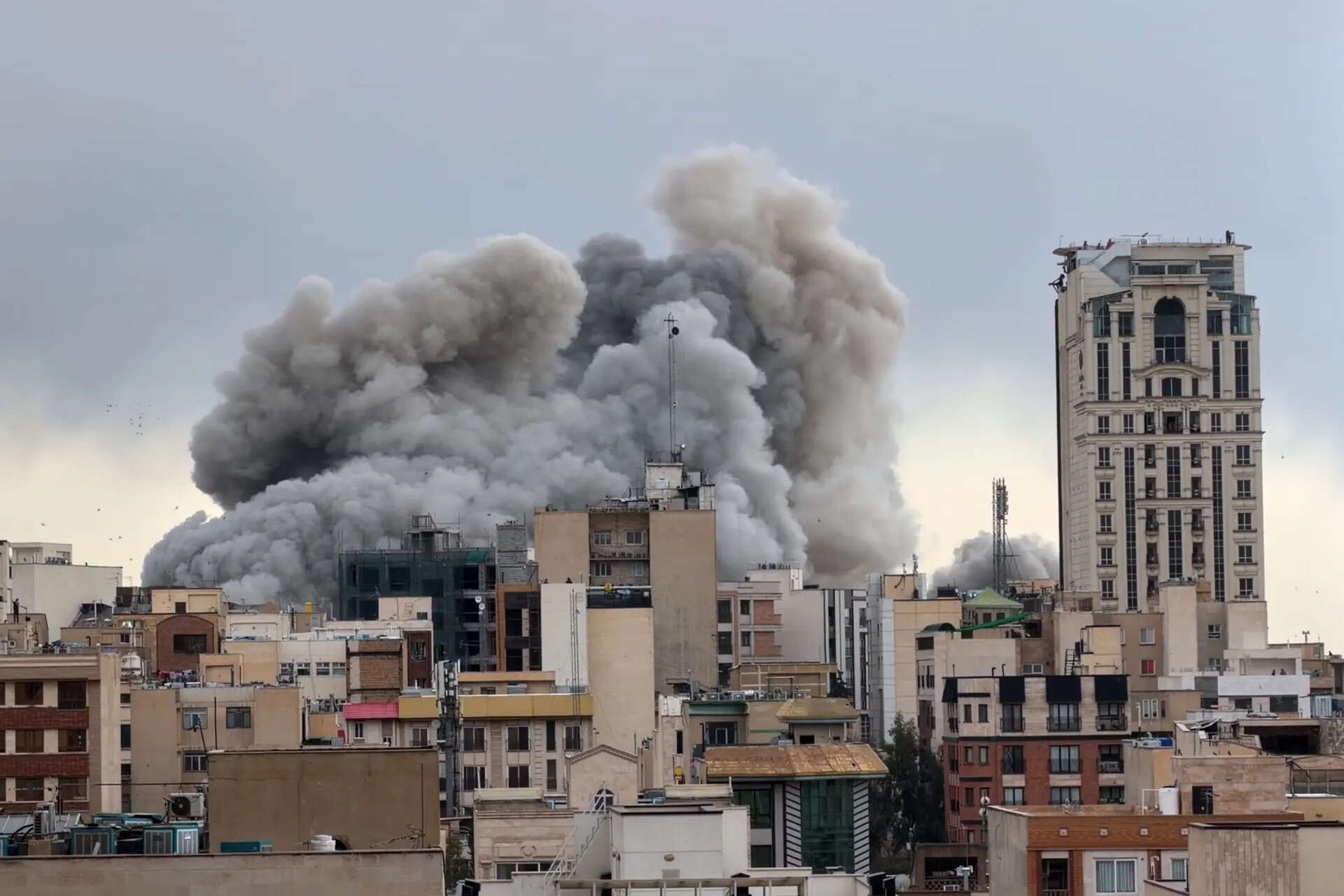
Iran has launched a significant wave of missiles targeting Israel, marking a major escalation in Middle East tensions. This attack is the first major military action taken under the leadership of Iran’s new Supreme Leader, Mojtaba Khamenei. The strike has triggered air defense systems across Israel and prompted an immediate response from the United States and other global powers. This event signals a potentially more aggressive path for Iran’s new government.
Main Impact
The missile strike has immediate and far-reaching consequences for regional stability. By attacking Israel directly, Iran has moved away from using only its regional partners and has instead chosen a direct confrontation. This move forces Israel to consider a large-scale military response, which could lead to a full-scale war between the two nations. Furthermore, the involvement of the United States to help defend Israel brings the world's largest military closer to a direct conflict with Iran.
Key Details
What Happened
On March 9, 2026, Iran fired a large number of missiles from various locations within its borders. These missiles were aimed at major cities and military bases in Israel. In response, sirens sounded throughout Israel, sending millions of people into bomb shelters. Israel’s defense systems, including the Iron Dome and Arrow interceptors, were seen working to stop the incoming weapons in the night sky. The United States military also assisted by tracking the missiles and using its own defense systems in the region to help protect Israeli territory.
Important Numbers and Facts
Reports indicate that dozens of missiles were part of this first wave. While the exact number of hits is still being checked, early reports suggest that most were intercepted. This attack follows the recent transition of power in Iran, where Mojtaba Khamenei took over the role of Supreme Leader. This change in leadership was expected to bring shifts in policy, and this military action confirms a hardline approach. Oil prices have already started to rise on global markets as investors worry about the safety of energy supplies from the Middle East.
Background and Context
The tension between Iran and Israel has lasted for many decades. Iran does not recognize Israel’s right to exist, while Israel views Iran’s nuclear program and its support for armed groups as a direct threat. In recent years, the two countries have fought through smaller conflicts and cyberattacks. However, a direct missile attack from Iranian soil is a rare and very serious event. The timing is also important because of the leadership change in Iran. Mojtaba Khamenei, the son of the previous leader, is seen by many as a leader who wants to prove his strength early in his rule.
Public or Industry Reaction
The international community has reacted with deep concern. The United States government stated that its support for Israel’s security is "ironclad" and that it will take necessary steps to defend its ally. European leaders have called for an immediate stop to the violence, fearing that a wider war would hurt the global economy. In Israel, government officials have promised that there will be a heavy price for the attack. Meanwhile, some regional neighbors are trying to act as peace talkers to prevent the situation from getting even worse.
What This Means Going Forward
The coming days will be critical for the region. If Israel decides to launch a major counter-attack on Iranian soil, the cycle of violence could become impossible to stop. There is also a risk that other groups in Lebanon, Yemen, and Iraq could join the fight, leading to a war on multiple fronts. For the global community, this conflict could lead to higher fuel prices and disruptions in international trade. Diplomatic teams are working behind the scenes to see if a ceasefire or a pause in the fighting is possible, but the mood remains very tense.
Final Take
The missile attack by Iran marks a dangerous new chapter in Middle East history. With new leadership in Tehran taking a bold and violent stance, the old rules of the conflict have changed. The world now watches to see how Israel and the United States will respond. The hope for peace is currently overshadowed by the sound of sirens and the threat of more missiles, making this one of the most volatile moments for the region in recent memory.
Frequently Asked Questions
Who is Mojtaba Khamenei?
Mojtaba Khamenei is the new Supreme Leader of Iran. He is the son of the former leader, Ali Khamenei, and has recently taken over the highest position of power in the country.
Did the missiles cause any damage?
While many missiles were intercepted by defense systems, some may have landed. Authorities are currently assessing the damage and checking for any injuries or loss of life among the civilian population.
Is the United States involved in the fighting?
The United States has provided defensive support by helping Israel intercept the incoming missiles. While the US has not launched its own attack on Iran yet, it has moved military ships and planes to the region to prepare for any further escalation.

