
Summary
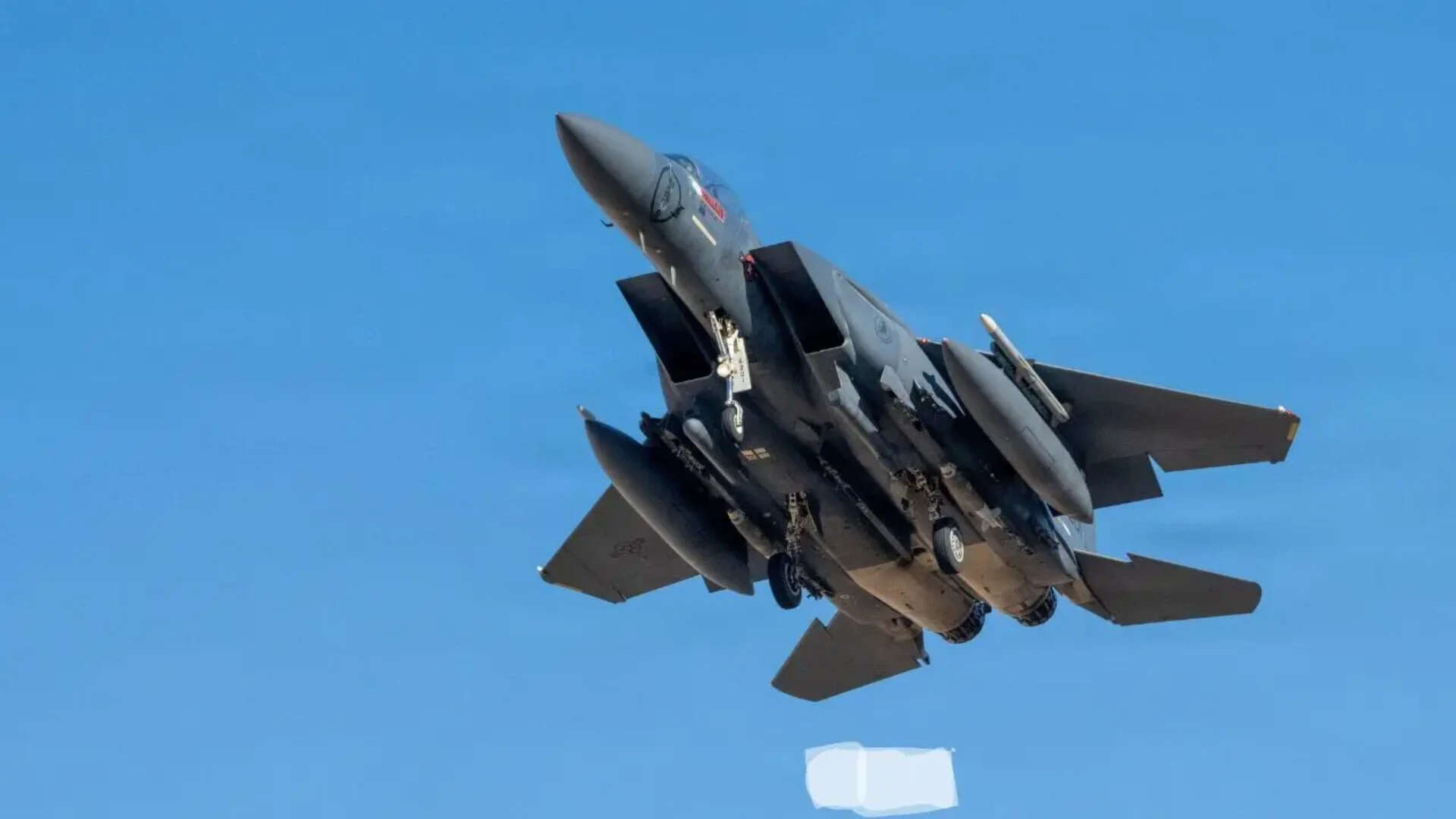
Iran has issued a sharp and provocative message directed at the families of United States military personnel. In a statement specifically addressed to the mother of a U.S. pilot, Iranian officials claimed that American soldiers are in more danger from the policies of Donald Trump than from the Iranian military. The message also included harsh criticism of how U.S. allies treat prisoners of war, contrasting it with Iran’s own claims of ethical conduct. This development marks a significant escalation in the psychological and diplomatic tension between Washington and Tehran.
Main Impact
The primary impact of this statement is the use of emotional and psychological pressure on the families of those serving in the military. By speaking directly to a mother, Iran is attempting to bypass official government channels and speak to the American public. This move is designed to create doubt about the safety of U.S. troops under specific political leadership. It also serves to paint the United States and its regional partners as aggressive or "savage," while presenting Iran as a more disciplined and humane power. This type of rhetoric often leads to increased friction in diplomatic talks and can influence how the public views military involvement in the Middle East.
Key Details
What Happened
Iranian authorities released a message that targeted the family of a U.S. pilot, using highly charged language to criticize American foreign policy. The statement explicitly mentioned former President Donald Trump, suggesting that his approach to international relations puts American lives at risk. The message argued that Iran treats its prisoners with respect, unlike the groups or nations that the U.S. considers allies. This is a common theme in Iranian state media, which often tries to highlight what it calls the "hypocrisy" of Western human rights standards.
Important Numbers and Facts
While the statement did not list specific new military actions, it draws on a long history of tension. Over the last several years, there have been multiple incidents involving U.S. and Iranian forces in the Persian Gulf. For example, in 2016, Iran detained 10 U.S. sailors who entered their waters; they were released within 24 hours. However, the rhetoric has become much harsher since the U.S. pulled out of the nuclear deal in 2018. Iranian officials often point to the "maximum pressure" campaign as a reason why U.S. troops are now in a more precarious position than they were in previous decades.
Background and Context
The relationship between the United States and Iran has been difficult for over forty years. It began with the 1979 revolution and the subsequent hostage crisis. Since then, the two countries have not had formal diplomatic relations. Instead, they communicate through third parties or through public statements and media broadcasts. Iran often uses these public messages to speak to the American people, hoping to influence domestic politics. The mention of Donald Trump is significant because his administration took a very hard line against Tehran, including the assassination of a top Iranian general in 2020. Iran continues to use his name to symbolize what they view as dangerous American aggression.
Public or Industry Reaction
In the United States, such statements are usually viewed as propaganda. Military experts and government officials often warn that these messages are meant to cause division and fear. Families of service members often find themselves in a difficult position when their loved ones are mentioned in international disputes. On the other hand, some political analysts suggest that these statements are meant for Iran’s own citizens. By appearing strong and morally superior to the U.S., the Iranian government seeks to build support at home during times of economic hardship caused by international sanctions.
What This Means Going Forward
This event suggests that Iran will continue to use "soft power" and psychological tactics alongside its military capabilities. As the U.S. moves through different political cycles, Iran is likely to tailor its messages to exploit political divides within America. For the families of military members, it means that the safety of their loved ones remains a central part of a larger political game. We can expect to see more of these direct appeals to the American public, especially as tensions over regional conflicts and nuclear programs remain unresolved. The risk of a small incident turning into a larger conflict stays high as long as this kind of heated language is used by both sides.
Final Take
The message from Iran is a clear example of how modern conflict is fought not just with weapons, but with words and emotions. By targeting the families of soldiers, Tehran is trying to change the conversation about who is truly responsible for the risks faced by U.S. troops. While the U.S. government will likely ignore the message officially, the underlying tension it represents will continue to shape the security of the region for years to come.
Frequently Asked Questions
Why did Iran address the mother of a U.S. pilot?
Iran uses this tactic to create an emotional response and to speak directly to the American public. By targeting a family member, they hope to make their political message feel more personal and urgent.
What does Iran mean by "savage allies"?
This is a term Iran uses to describe countries in the Middle East that partner with the United States. Iran often accuses these nations of human rights abuses to argue that the U.S. supports violent regimes.
Is there a high risk of U.S. pilots being captured?
While there are no active large-scale conflicts between the two, U.S. pilots fly missions in areas where Iranian forces are present. Both sides remain on high alert, which increases the risk of an accidental encounter or detention.

