Summary
Iran has significantly increased its military actions in the Persian Gulf, targeting several ships and buildings across the region. These attacks have caused a sudden jump in global oil prices, which have now passed $100 per barrel. The situation has become more dangerous as Israel responds with large-scale strikes in Lebanon. This growing conflict is putting the world’s energy supply at risk and raising fears of a much larger war.
Main Impact
The most immediate effect of this crisis is the threat to the Strait of Hormuz. This narrow stretch of water is one of the most important paths for oil in the world. Because Iran is attacking ships in this area, the cost of moving goods and energy has spiked. If the fighting continues, Iran has warned that oil prices could reach $200 per barrel. Such a high price would cause serious economic problems for countries all over the globe, leading to higher costs for gas, electricity, and food.
Key Details
What Happened
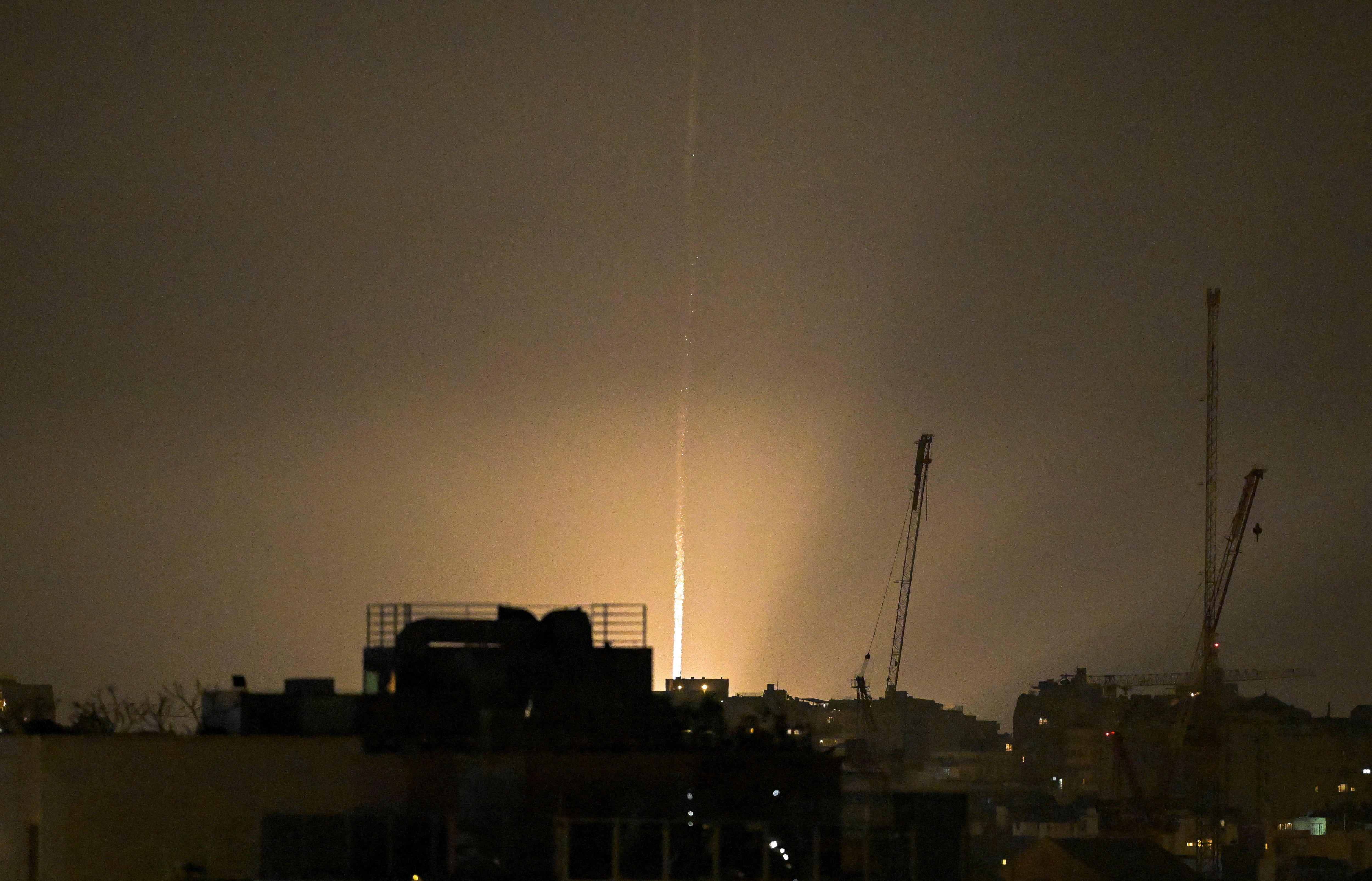
On Thursday, Iranian forces hit two more ships that were docked at the port of Basra in Iraq. They also attacked a large container ship in the United Arab Emirates (UAE). These events follow a series of attacks on Wednesday where three other cargo ships were targeted. Beyond the sea, the violence has moved to land. Iranian strikes hit a building in Dubai and fuel storage tanks near the capital of Bahrain. Other attacks were reported in Kuwait and Saudi Arabia, showing that the conflict is spreading to many different countries at once.
Important Numbers and Facts
The price of oil rose quickly to over $100 per barrel following the news of the attacks. Experts are watching the $200 mark closely, as Iran has used this number as a threat to the global economy. In response to Iran’s actions, the Israeli military launched "large-scale" attacks against the southern part of Beirut, the capital of Lebanon. This shows that the fighting is not just happening in the water, but is also involving heavy air strikes in major cities.
Background and Context
The tension between Iran, Israel, and the United States has been growing for a long time. The Persian Gulf is a sensitive area because about 20% of the world's oil passes through it. When there is fighting here, the whole world feels the impact. Iran often uses its location near the Strait of Hormuz to show its power. By attacking ships and nearby countries, Iran is trying to put pressure on its enemies. At the same time, Israel and the U.S. are trying to stop Iran from expanding its influence, which leads to the kind of military back-and-forth we are seeing now.
Public or Industry Reaction
Global markets reacted with fear as news of the attacks broke. Shipping companies are now very worried about the safety of their crews and vessels. Many are considering changing their routes, even though it takes much longer and costs more money. Leaders from various countries have called for a stop to the violence, fearing that a full-scale war could break out. Oil traders are moving quickly to buy oil before prices go even higher, which is part of why the price jumped so fast on Thursday.
What This Means Going Forward
The next few days will be very important. If Iran continues to hit ships and buildings in neighboring countries, the U.S. and its allies may feel forced to take stronger military action. This could lead to a cycle of violence that is hard to stop. People should expect oil and gas prices to remain high and possibly go up even more. Diplomats are working behind the scenes to try to calm the situation, but the current level of fighting makes a peaceful solution look difficult to reach right now.
Final Take
The attacks in the Persian Gulf have moved the region into a very dangerous phase. With oil prices rising and military strikes hitting major cities, the conflict is no longer just a local issue. It is now a global crisis that could change the economy and international safety for a long time. The world is watching closely to see if leaders can find a way to stop the fighting before it gets even worse.
Frequently Asked Questions
Why are oil prices going up so fast?
Prices are rising because the attacks are happening in the Persian Gulf, where a lot of the world's oil is shipped. Investors fear that if the water routes are blocked, there will not be enough oil for everyone, which makes the price go up.
Where exactly is the fighting happening?
The fighting is spread across several areas, including the waters near Iraq and the UAE, as well as land targets in Dubai, Bahrain, Kuwait, and Saudi Arabia. Israel is also conducting air strikes in southern Beirut, Lebanon.
What is the Strait of Hormuz?
The Strait of Hormuz is a narrow waterway that connects the Persian Gulf with the rest of the ocean. It is a vital path for oil tankers. Because it is so narrow, it is easy to block, which makes it a major point of conflict during wars.