Summary
Iran is currently facing a major leadership crisis following the death of its Supreme Leader, Ali Khamenei. While the country has been ruled by powerful religious figures for nearly 50 years, the current situation is unique because the chosen successor is also missing. Mojtaba Khamenei, the son of the late leader, has not appeared in public, leading to rumors that he may be injured or unable to take power. Despite this mystery, the Iranian government continues to operate without showing signs of a total collapse or a power vacuum.
Main Impact
The most significant impact of this situation is the surprising stability of the Iranian political system. For decades, the country has relied on a single, strong leader to make all major decisions. Losing such a figure during a time of war would normally lead to immediate chaos. However, the "regime of the ayatollahs" has shown that its internal structure is strong enough to keep the country running. This stability suggests that a group of high-ranking officials and military leaders are managing the state behind the scenes, even without a visible head of state.
Key Details
What Happened
The crisis began during a 40-day conflict involving Iran, Israel, and the United States. During this war, Ali Khamenei was killed. He had been the most powerful man in Iran since 1989, and his death left a massive hole in the government. His son, Mojtaba Khamenei, was widely expected to step into his father's role. However, Mojtaba has not been seen or heard from since the announcement of his father's death. This has led to intense speculation about his health and safety.
Important Numbers and Facts
The Islamic Republic of Iran was established 47 years ago in 1979. Since then, it has only had two Supreme Leaders: Ruhollah Khomeini and Ali Khamenei. The recent war that led to this leadership change lasted for 40 days before a ceasefire was discussed. Currently, the government is trying to maintain order among its population of over 85 million people while the world watches for any sign of the new leader. There are no official reports on Mojtaba’s condition, but the lack of a public appearance is highly unusual for the Iranian system.
Background and Context
To understand why this matters, it is important to know how Iran is governed. The system is an autocracy where religious leaders, known as clerics, have the final word on all laws and military actions. This idea was started by the country's founder, Ayatollah Khomeini. He believed that religious experts should oversee the state to ensure it follows specific spiritual and political goals. Because this system is built on a set of rules and a council of leaders, it does not rely solely on one person. This is why the government can still function even when the top leader is gone. However, the Supreme Leader is the person who holds all the different parts of the government together, so a long-term absence could eventually cause problems.
Public or Industry Reaction
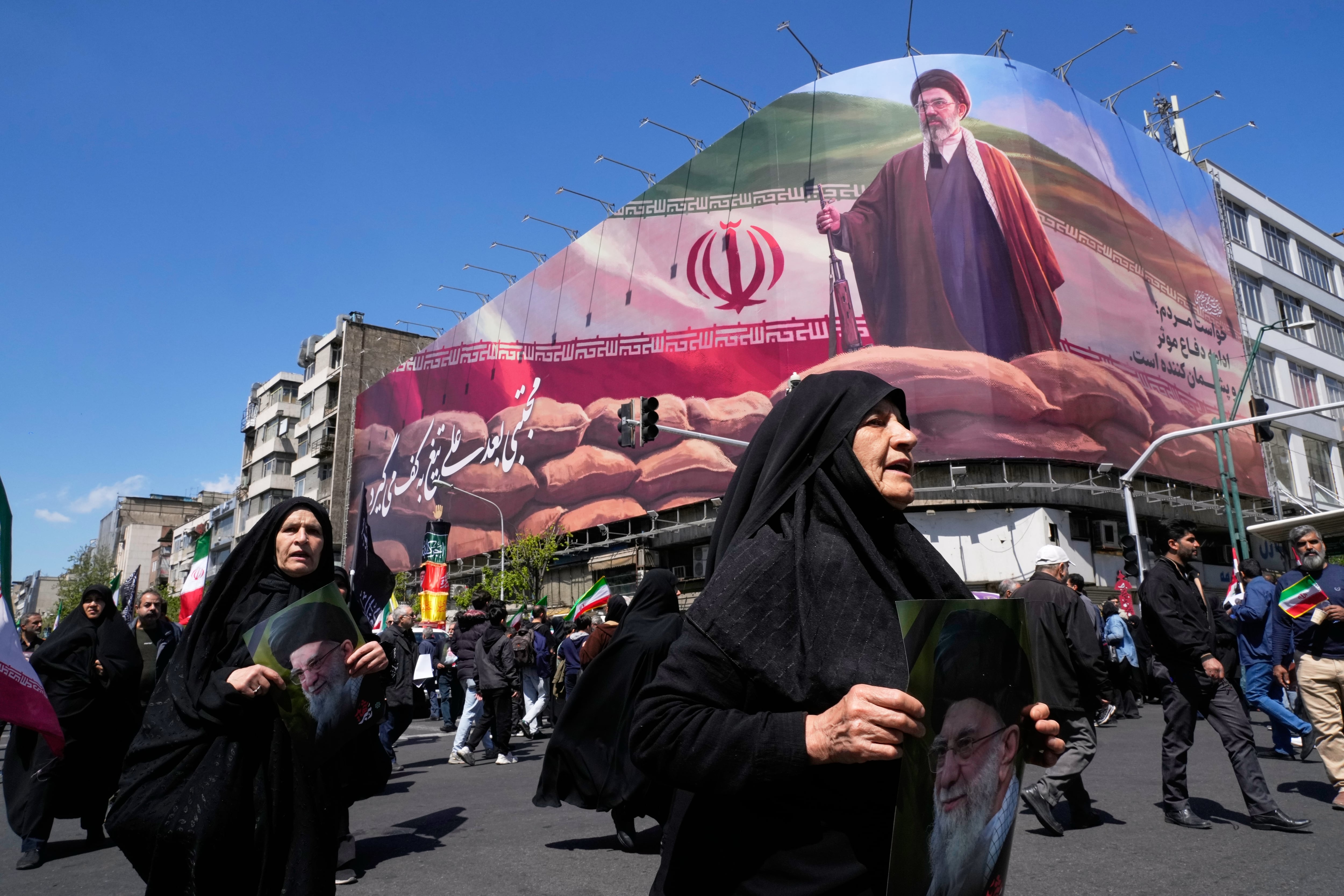
The reaction to the missing leader has been a mix of confusion and caution. Inside Iran, state media continues to broadcast messages of strength and unity. They want to show the public and the world that the government is still in control. However, many citizens are worried about what comes next. International experts are closely watching the situation to see if a power struggle breaks out between the military and the religious councils. Some believe that the military may be taking a larger role in daily decisions while the religious leadership tries to find a way to present a new Supreme Leader to the public.
What This Means Going Forward
The next few weeks will be a major test for Iran. If Mojtaba Khamenei does not appear soon, the Assembly of Experts—the group responsible for choosing the leader—will have to make a difficult choice. They may need to pick a new person who was not originally in line for the job. This could lead to disagreements within the government. There is also the risk of public unrest if the people feel the government is hiding the truth. For the rest of the world, a change in leadership could mean a change in how Iran handles foreign policy and future conflicts. The main question is whether the new leader will be more or less aggressive than the last one.
Final Take
Iran is at a historic crossroads. The system has proven it can survive a sudden loss, but it cannot stay without a leader forever. The mystery of Mojtaba Khamenei’s whereabouts adds a layer of danger to an already tense situation. Whether he appears or a new leader is chosen, the way this transition is handled will decide the future of the country for years to come. The world is watching to see if the regime can maintain its grip on power or if this silence is the beginning of a much larger change.
Frequently Asked Questions
Who was the previous Supreme Leader of Iran?
Ali Khamenei was the Supreme Leader. He took power in 1989 and ruled the country for 37 years until his death in 2026.
Why is Mojtaba Khamenei important?
He is the son of the late Ali Khamenei and was expected to become the next Supreme Leader. His current disappearance has created uncertainty about the future of the government.
Is the Iranian government still in control?
Yes, despite the missing leader, the Iranian government and military are still functioning and making decisions to keep the country stable.