Summary
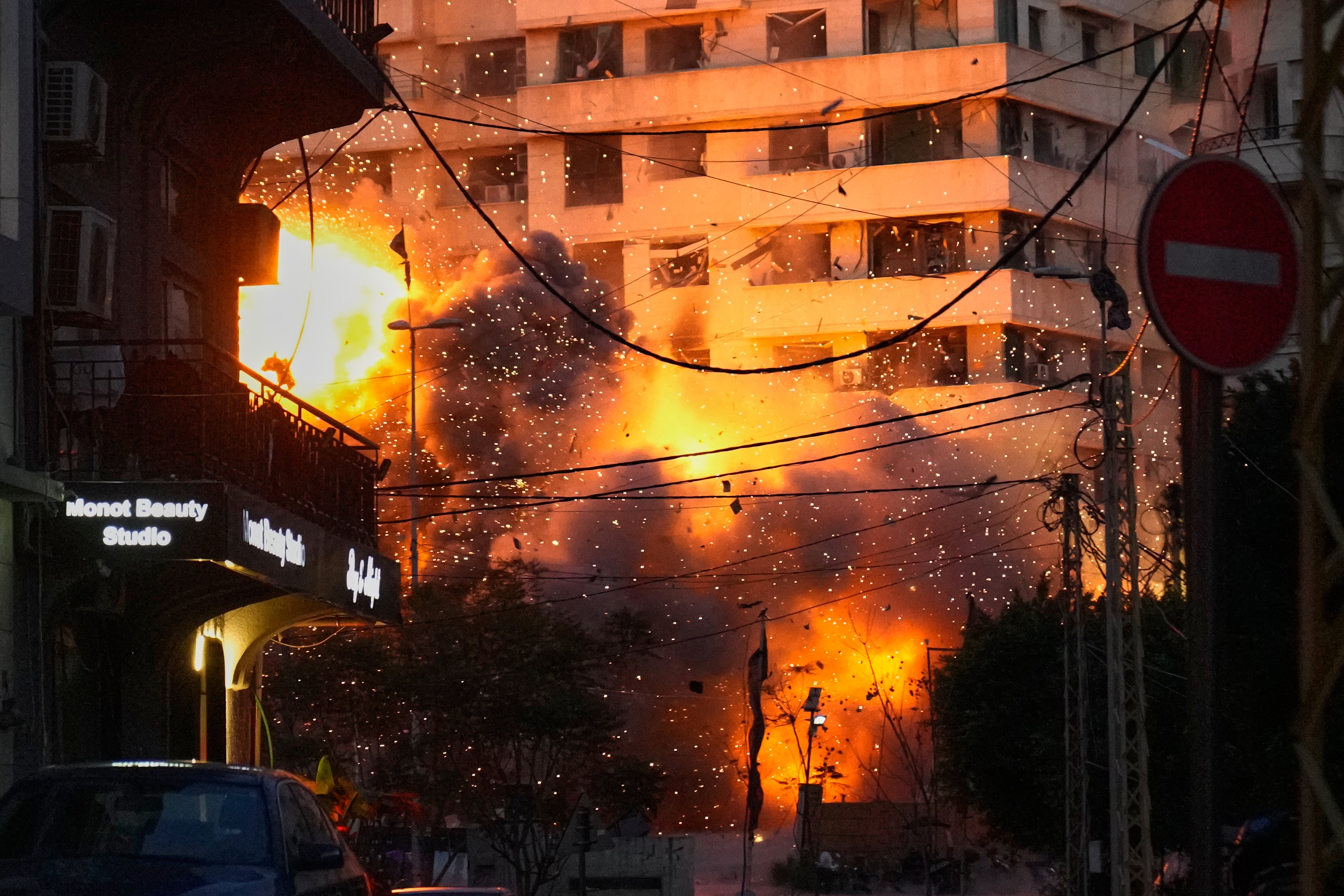
The conflict in the Middle East has reached a dangerous new level following a series of direct attacks between Israel, Iran, and the United States. In the early hours of Wednesday, Israeli airstrikes hit Beirut, resulting in the deaths of at least 19 people. This followed a major missile attack from Iran directed at Tel Aviv, which killed two people and marked a sharp turn in the ongoing violence. The United States has also joined the fight by striking Iranian missile sites to protect trade routes and its own interests in the region.
Main Impact
This wave of violence shows that the shadow war between these nations has turned into an open and direct battle. For a long time, these countries fought through other groups, but now they are hitting each other directly. The impact is being felt across the entire region, from Lebanon to Iraq and the United Arab Emirates. The most immediate effect is the high loss of life in civilian areas and the growing fear that a much larger war is about to begin. This situation is also putting global energy supplies at risk because the fighting is happening near major oil shipping routes.
Key Details
What Happened
The violence started to move faster after Israel killed two high-ranking Iranian officials on Monday night. These men were Ali Larijani, a top security leader, and Gholamreza Soleimani, who led a large militia group. Iran promised to hit back, and they did so by firing a large number of missiles at Tel Aviv. While Israel has a strong defense system, at least two people were killed in the city. At the same time, Israel launched heavy bombing raids on Beirut, the capital of Lebanon, targeting the Hezbollah militia. These strikes were some of the most violent seen in recent weeks, leaving many dead and many more injured.
Important Numbers and Facts
The death toll is rising quickly as rescue teams search through the rubble. In Beirut, 19 people are confirmed dead from the latest strikes. In Israel, the total number of deaths since the end of February has reached 14. The United States military took action near the Strait of Hormuz, a narrow water path that is vital for the world's oil supply. They destroyed several Iranian missile launchers that were ready to fire. Additionally, the U.S. Embassy in Baghdad, Iraq, was attacked by drones, showing that the conflict is spreading to neighboring countries.
Background and Context
To understand why this is happening, it is important to know that Israel and Iran have been enemies for decades. Israel views Iran's support for groups like Hezbollah in Lebanon and the Basij militia as a direct threat to its safety. Iran, on the other hand, wants to remove Western influence from the Middle East and sees Israel as its main opponent. The killing of Ali Larijani was a massive blow to the Iranian government because he was a key figure in their regional strategy. When such a high-level leader is killed, Iran feels it must respond strongly to show it is still powerful. This back-and-forth cycle of "eye for an eye" is what has led to the current crisis.
Public or Industry Reaction
The international community is watching with great worry. The United Arab Emirates (UAE) has reported being hit by bombings and is calling for an immediate stop to the violence. Many world leaders are asking both sides to show restraint, but so far, those calls have been ignored. In the business world, there is a lot of concern about the price of oil. Since the U.S. had to strike targets near the Strait of Hormuz, experts fear that Iran might try to block the passage of oil tankers. If that happens, gas prices around the world could go up very quickly, affecting everyone from large companies to everyday drivers.
What This Means Going Forward
The next few days will be critical for the region. If Iran decides to launch another large missile attack, Israel will likely respond with even more force. There is also a risk that the United States will become more deeply involved if its embassies or ships continue to be targeted. We may see more fighting in Lebanon as Israel tries to push Hezbollah away from its border. The biggest fear is a ground war, where soldiers move across borders instead of just using missiles and planes. Diplomats are working behind the scenes to find a way to stop the fighting, but the anger on both sides makes a peace deal look very difficult right now.
Final Take
The Middle East is currently in one of its most volatile periods in recent history. The shift from small skirmishes to direct missile strikes between major powers has created a situation that could change the region forever. While the world hopes for a peaceful solution, the current reality is one of fire and loss. The safety of millions of people depends on whether these nations choose to step back or continue down the path of total war.
Frequently Asked Questions
Why did Iran attack Tel Aviv?
Iran attacked Tel Aviv as payback for the killing of two of its top leaders, Ali Larijani and Gholamreza Soleimani. Israel killed these men in an attack on Monday night, and Iran promised to retaliate.
What is the Strait of Hormuz and why is it important?
The Strait of Hormuz is a narrow waterway between the Persian Gulf and the Gulf of Oman. It is one of the most important places in the world for shipping oil. If it is blocked or becomes a war zone, global oil prices could rise significantly.
Is the United States involved in the fighting?
Yes, the United States has taken military action. U.S. forces attacked Iranian missile sites near the Strait of Hormuz to prevent attacks on ships and to protect its interests. The U.S. Embassy in Baghdad has also been targeted by drones during this conflict.