Summary
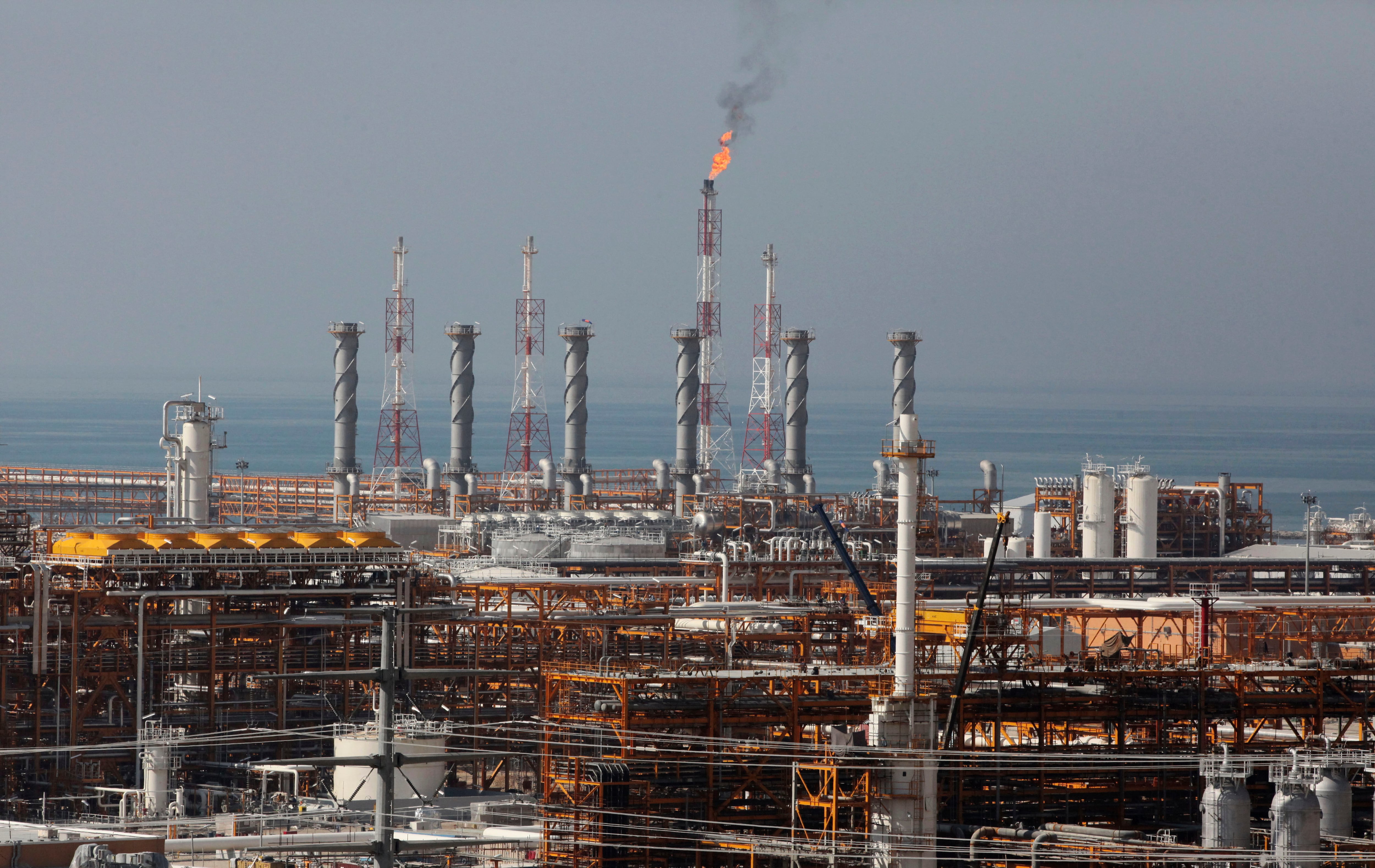
Energy prices around the world jumped on Wednesday after Iran reported a major attack on its energy infrastructure. Iranian officials claim that the United States and Israel targeted the South Pars gas field, which is known as the largest gas field on the planet. This event has caused immediate worry in global markets, leading to a sharp rise in the cost of oil and gas. At the same time, heavy fighting continues across the Middle East, with deaths reported in several major cities and high-ranking officials being killed in the crossfire.
Main Impact
The most immediate effect of this news is the shock to the global economy. Because the South Pars field is so important for the world's energy supply, any threat to its operation makes fuel more expensive for everyone. Beyond the economy, the military situation has reached a dangerous new level. The conflict is no longer contained to just two countries. It now involves multiple nations across the Persian Gulf, including Iraq, the United Arab Emirates, and Saudi Arabia. This spread of violence suggests that a much larger regional war is currently taking place.
Key Details
What Happened
On Wednesday morning, Iran announced that its South Pars gas field had been hit. They blamed a joint operation between the United States and Israel. Shortly after this news broke, Iran confirmed that its Minister of Intelligence, Esmail Khatib, had been killed. This followed a statement from the Israeli Defense Minister, who had already claimed the minister was dead. The violence also hit civilian areas. Israeli planes bombed the center of Beirut, the capital of Lebanon, while Iranian missiles struck Tel Aviv in Israel. Both sides are using heavy weapons, and the damage to buildings and infrastructure is growing quickly.
Important Numbers and Facts
The human cost of the last 24 hours is high. In Beirut, at least 10 people lost their lives during the early morning air raids. In Tel Aviv, at least two people were killed when Iranian missiles hit the city. These strikes are part of a larger wave of violence that began earlier in the week. On Monday, two other important Iranian figures, Ali Larijani and Gholamreza Soleimani, were killed in an Israeli attack. Iran says its current actions are a direct response to those deaths. The South Pars field itself is a massive site that Iran shares with Qatar, and it holds a huge portion of the world's known gas reserves.
Background and Context
To understand why this is happening, we have to look at the long history of tension between these nations. For years, Israel and Iran have been in a "shadow war," attacking each other through smaller groups or secret missions. However, the events of this week show that the fight is now out in the open. The killing of Ali Larijani was a major blow to the Iranian government because he was a very influential person in their political system. When high-level leaders are killed, the government feels it must strike back hard to show its strength. This creates a cycle where one attack leads to another, and each one gets bigger and more dangerous.
Public or Industry Reaction
The reaction from the business world was fast. Traders in the oil and gas markets began buying up supplies, fearing that the war would stop the flow of energy from the Middle East. This caused prices to spike within minutes of the news about the gas field. Meanwhile, military experts are watching the "surprises" promised by Israel's Defense Minister. Many people in the region are now living in fear, as the fighting has moved into the centers of big cities like Beirut and Tel Aviv. International leaders are calling for calm, but the situation on the ground shows no signs of slowing down.
What This Means Going Forward
The next few days will be very risky. If the attacks on energy fields continue, the world could face a fuel crisis similar to those seen in the past. There is also the risk that more countries will be pulled into the fighting. Iran has already started bombing targets in neighboring countries like Qatar and Bahrain. This could force those nations to join the war or ask for more help from the United States. The biggest worry is that the conflict will move to the sea, where much of the world's oil is moved by ships. If those shipping lanes are blocked, the economic impact will be felt by every household in the world.
Final Take
The attack on the world's largest gas field marks a turning point in this conflict. It shows that the war is moving away from just military targets and is now hitting the resources that power the global economy. With high-level leaders dead on both sides and missiles flying across borders, the chance for a peaceful solution seems to be fading. People everywhere should prepare for higher energy costs and continued instability in the Middle East as this situation develops.
Frequently Asked Questions
Why did oil and gas prices go up?
Prices went up because Iran claimed that its largest gas field, South Pars, was attacked. Since this field provides a huge amount of the world's energy, investors are afraid there will be a shortage of fuel.
Who was killed in the recent attacks?
Iran's Intelligence Minister, Esmail Khatib, was confirmed dead. Additionally, at least 10 people died in Beirut and two people died in Tel Aviv during missile and air strikes on Wednesday.
Which countries are involved in the fighting?
While the main fight is between Israel, the US, and Iran, the violence has spread. Iran has also launched attacks in Iraq, the United Arab Emirates, Qatar, Bahrain, and Saudi Arabia, making it a regional conflict.