
Summary
President Donald Trump recently announced that the long-standing conflict with Iran is nearly over. Despite this optimistic statement, the United States is moving forward with a significant military expansion in the region. The Pentagon has confirmed the deployment of 10,000 additional troops to the Middle East to bolster security and provide support. This move creates a complex situation where talk of peace is being met with an increase in military presence.
Main Impact
The decision to send 10,000 more soldiers has a major impact on the balance of power in the Middle East. By increasing its military footprint, the U.S. is sending a clear message that it will not back down, even while claiming that the war is ending. This strategy aims to put more pressure on the Iranian government to agree to new terms. However, it also raises the risk of accidental conflict, as more troops and equipment are now stationed close to Iranian borders. For the global economy, this move adds a layer of uncertainty, especially regarding oil prices and trade routes in the region.
Key Details
What Happened
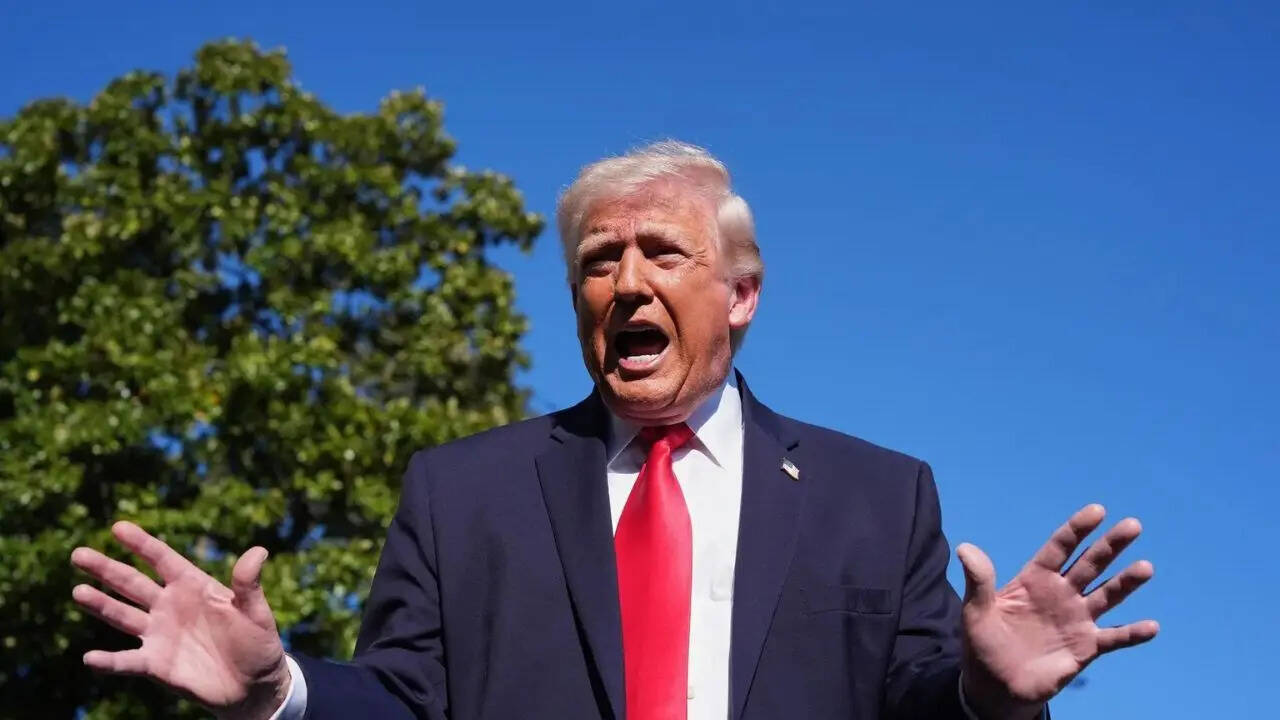
During a recent press event, President Trump told the public that the "Iran problem" is reaching its final stages. He suggested that the pressure campaign against the country has worked and that a new deal could be on the horizon. Shortly after these comments, the Department of Defense released a plan to send 10,000 more personnel to the area. These troops are not intended for a direct invasion but are described as "defensive" forces. They will focus on protecting existing U.S. bases and ensuring that trade ships can move safely through international waters.
Important Numbers and Facts
The deployment includes a mix of different military roles. About 10,000 soldiers will be sent, including engineers, fighter jet pilots, and security teams. Along with the people, the U.S. is sending more Patriot missile batteries, which are used to shoot down incoming rockets or drones. This brings the total number of U.S. troops in the region to its highest level in several years. The deployment is expected to take place over the next few weeks, with soldiers moving to bases in countries that are friendly to the United States.
Background and Context
The tension between the U.S. and Iran has been high for a long time. It started to get much worse after the U.S. left a major nuclear deal a few years ago. Since then, the U.S. has put many sanctions on Iran, which has hurt their economy. In response, Iran has increased its nuclear activities and has been involved in various regional disputes. The U.S. says these actions threaten world peace, while Iran says it is just defending itself against American pressure. This cycle of threats and sanctions has led to the current situation where both sides are heavily armed and waiting for the next move.
Public or Industry Reaction
The reaction to this news has been mixed. Many lawmakers in Washington support the president, saying that a strong military is the only way to keep Iran in check. They believe that showing strength will actually prevent a war by making Iran too afraid to attack. On the other hand, some critics argue that sending more troops is a mistake that could lead to an unnecessary fight. They worry that a small mistake could turn into a large-scale war. International leaders in Europe and Asia have called for both sides to talk instead of moving more weapons into the area. Iran’s leaders have called the troop movement a "dangerous provocation" and say they will not negotiate while being threatened.
What This Means Going Forward
In the coming months, the world will watch to see if the president’s words about the war being "close to over" come true. If the extra troops successfully discourage Iran from taking action, it might lead to a new round of diplomatic talks. However, if Iran sees this as a threat they must respond to, the situation could get worse. The U.S. administration is likely using these troops as a bargaining chip. They want to show that they are ready for peace but also fully prepared for a fight. The success of this plan depends on whether both sides can find a way to talk without losing face.
Final Take
The current situation is a classic example of "peace through strength." While the president claims the conflict is ending, the military is making sure they have the upper hand. This dual approach of using both words and weapons is a high-stakes game. The hope is that the extra 10,000 troops will provide the security needed to finally close this chapter of history. Only time will tell if this move leads to the peace that has been promised or if it simply adds more fuel to a long-burning fire.
Frequently Asked Questions
Why is the U.S. sending 10,000 more troops?
The troops are being sent to protect American interests and bases in the Middle East. The government says they are defensive and meant to discourage Iran from taking aggressive actions.
Does this mean a war with Iran is starting?
Not necessarily. President Trump has stated that the conflict is actually nearing its end. The troops are intended to show strength during the final stages of the current tension.
What will the new troops do in the region?
The personnel include engineers and security forces. Their main jobs will be to operate missile defense systems, fly surveillance aircraft, and protect important shipping routes in the sea.

