
Summary
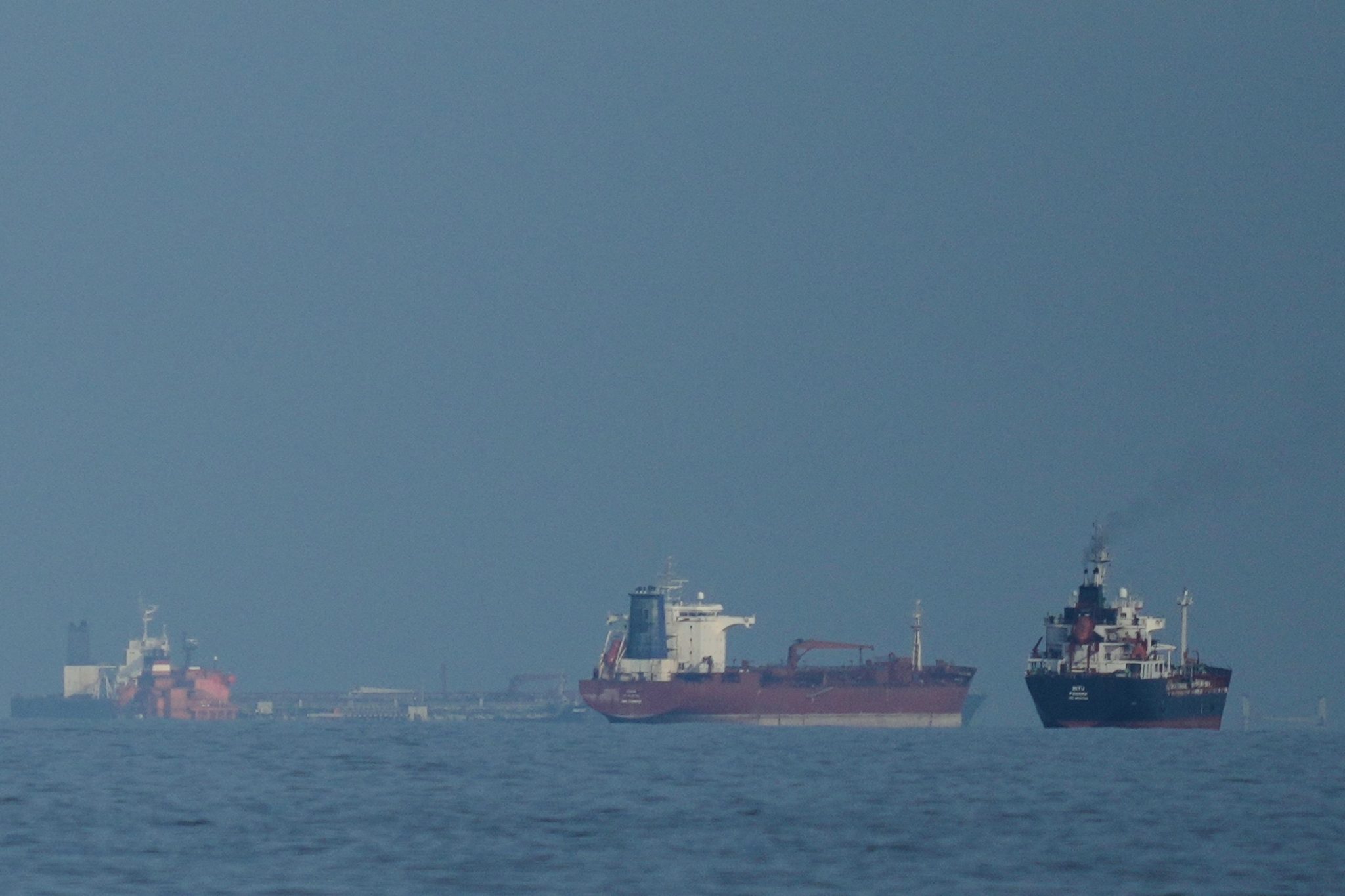
Iran has once again closed the Strait of Hormuz, a vital waterway for the world’s oil supply. This move comes after the United States refused to end its blockade of Iranian shipping ports. Iranian military leaders stated that the passage will remain shut until President Donald Trump lifts the restrictions on their trade. This sudden change has caused new fears about rising energy prices and the stability of the global economy.
Main Impact
The closure of the Strait of Hormuz is a major event because about 20% of the world’s oil travels through this narrow path. When Iran stops ships from passing, it limits the amount of oil available to other countries. This usually causes the price of gas and energy to go up quickly. Just a day before this announcement, oil prices had started to drop because people thought a peace deal was near. Now, that progress has been reversed, and the global energy market is facing new trouble.
Key Details
What Happened
On Saturday morning, Iran’s military announced that they were taking back full control of the Strait of Hormuz. Only a day earlier, there were signs that the waterway might stay open. However, President Trump made it clear that the U.S. blockade would stay in place. He said the U.S. will not stop blocking Iranian ships until Tehran agrees to a new deal regarding its nuclear program and other military issues. In response, Iran decided to use its power over the strait to fight back against the U.S. pressure.
Important Numbers and Facts
The conflict has already led to significant numbers and data points. U.S. Central Command reported that its forces have turned away 21 ships trying to reach Iran since the blockade began last Monday. The human cost of the wider war is also high. Over the last seven weeks, the fighting has killed at least 3,000 people in Iran and more than 2,290 in Lebanon. In Israel, 23 people have died, and 13 U.S. service members have lost their lives during the conflict. These figures show how serious the situation has become for everyone involved.
Background and Context
This standoff is part of a larger war that has been going on for nearly seven weeks. The conflict involves Israel, the United States, and Iran. Recently, there was hope for peace when a 10-day truce was announced between Israel and Hezbollah in Lebanon. Iran had asked for this truce as a condition for talks. However, the main disagreement remains between Washington and Tehran. The U.S. wants Iran to stop its nuclear activities and change its military actions. Iran wants the U.S. to stop blocking its ability to sell oil and trade with other nations. Pakistan has been acting as a middleman, trying to help both sides reach a ceasefire agreement before a deadline on April 22.
Public or Industry Reaction
The reaction to these events has been mixed. President Trump used social media to say that "enough is enough" regarding the war in Lebanon, but he remained firm on the blockade against Iran. Meanwhile, Israeli Prime Minister Benjamin Netanyahu said he agreed to the Lebanon truce because of Trump’s request. However, he also noted that the Israeli military is not finished with its mission to weaken Hezbollah. In the business world, shipping companies and energy experts are worried. Data from tracking firms shows that ships are now only moving through very specific paths that Iran allows, which makes trade much slower and more expensive.
What This Means Going Forward
The next few days will be very important for global peace and the economy. Pakistan is expected to host another round of talks between U.S. and Iranian officials early next week. If these talks go well, the Strait of Hormuz might open again. If they fail, the blockade and the closure of the waterway will likely continue. This could lead to even higher oil prices and more fighting in the region. Families in Lebanon are already trying to return to their homes, but the situation is still dangerous as small amounts of shelling continue despite the truce.
Final Take
The situation in the Strait of Hormuz shows how much power Iran has over the world's energy supply. By closing this path, they are forcing the United States to choose between continuing the blockade or protecting the global economy. Both sides are using tough tactics to get what they want, but the rest of the world is paying the price through higher costs and the fear of a larger war. A real solution will require both nations to move past their current demands and find a way to stop the cycle of blocking trade and military strikes.
Frequently Asked Questions
Why is the Strait of Hormuz so important?
It is a narrow waterway that connects oil-producing countries in the Middle East to the rest of the world. About one-fifth of all the world's oil passes through it, making it essential for global energy prices.
Why did Iran close the strait again?
Iran closed it because the United States refused to lift a blockade on Iranian ports. Iran is using the closure as a way to pressure the U.S. into allowing Iranian ships to trade freely again.
Is there a chance for peace soon?
Yes, Pakistan is organizing more talks between the U.S. and Iran next week. There is a ceasefire deadline set for April 22, which many hope will lead to a more permanent agreement to stop the fighting.



