Summary
The White House has clarified its position on the ongoing conflict with Iran, stating that it has not made a formal request to extend the current ceasefire. While the United States remains open to face-to-face meetings, officials have named Pakistan as the only country acting as a middleman in these talks. This news comes as tensions rise at sea, with Iran threatening to block major shipping routes if the U.S. continues to stop its trade ships. At the same time, Israel is considering a pause in its fighting in Lebanon, but this depends heavily on whether the U.S. and Iran can reach their own agreement.
Main Impact
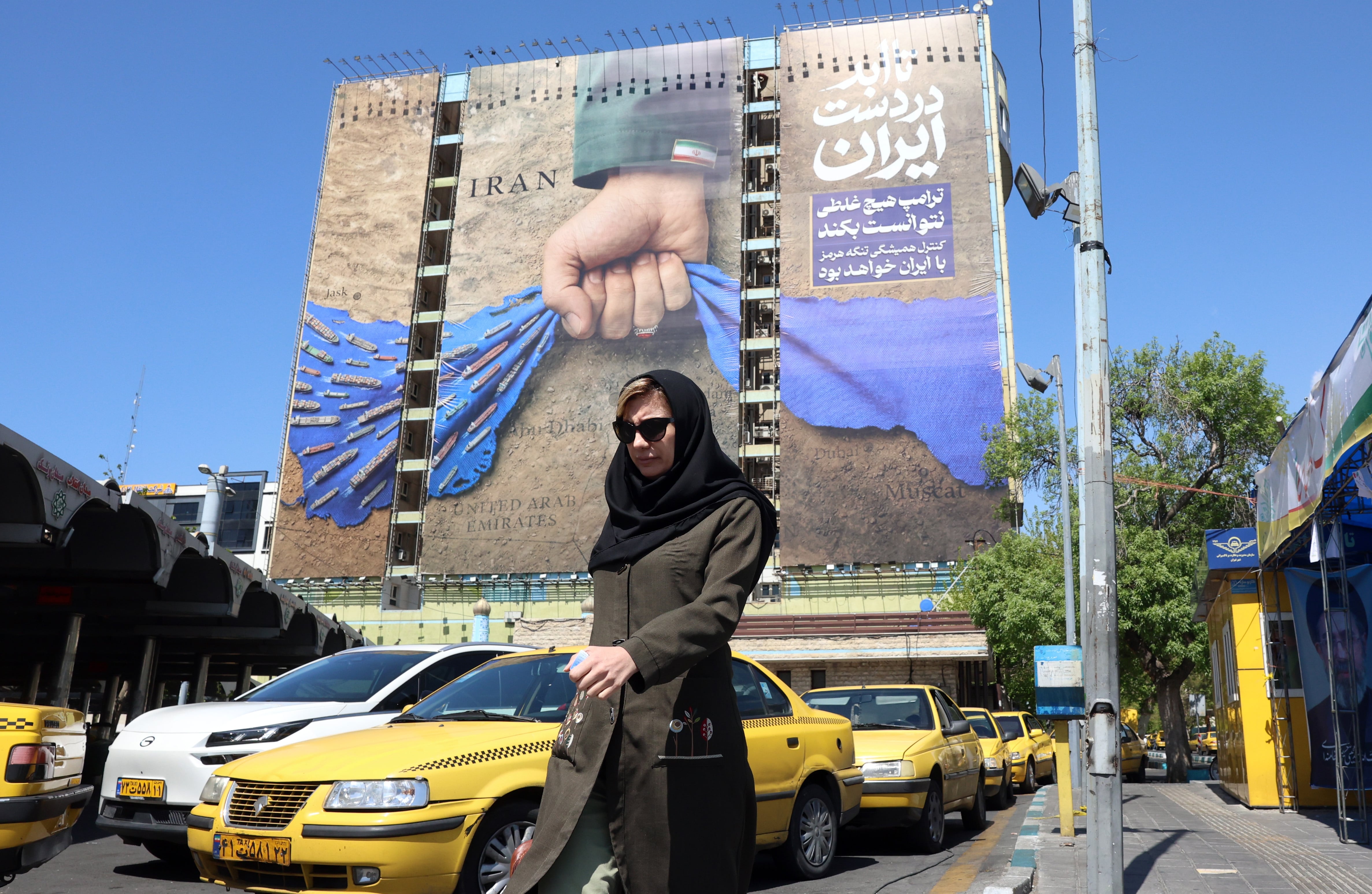
The most significant impact of these developments is the threat to global trade and energy supplies. Iran has warned that it will shut down movement in the Persian Gulf, the Sea of Oman, and the Red Sea. These areas are vital for the world's oil and cargo ships. If Iran follows through on its threat to stop all exports and imports in these waters, the global economy could face a major crisis. This move is a direct response to the U.S. blocking Iranian commercial and oil ships near the Strait of Hormuz. The situation shows that the war is no longer just about ground battles but has moved into a struggle for control over the world's most important waterways.
Key Details
What Happened
White House spokesperson Karoline Leavitt addressed the media to clear up rumors about a ceasefire extension. She stated that while the U.S. is not officially asking for more time, they are willing to meet in person. These meetings would take place in Pakistan, which is now the primary location for diplomacy between the two nations. Over the past weekend, representatives from both sides met for 21 hours. Despite the long duration of those talks, they ended without any formal agreement. This failure to reach a deal has led to the current increase in military threats and maritime tension.
Important Numbers and Facts
The recent diplomatic efforts in Pakistan lasted for 21 straight hours before ending in a stalemate. On the military side, the focus has shifted to the Strait of Hormuz, a narrow passage where a large portion of the world's oil travels. President Donald Trump also shared a key piece of information regarding international support. He claimed that Chinese President Xi Jinping promised him that China would not send weapons to Iran. While no specific details were given about this promise, it suggests that the U.S. is trying to cut off Iran’s supply of military equipment from major global powers.
Background and Context
To understand why this matters, it is important to look at the geography of the conflict. The Strait of Hormuz is a "chokepoint," meaning it is a narrow area that is very easy to block. If Iran stops ships there, oil prices around the world could go up very quickly. The conflict also involves Lebanon, where Israel is fighting groups supported by Iran. For a long time, these different fights were seen as separate issues. However, the latest reports show they are now linked. Lebanon’s leaders have said that any peace deal they make with Israel will only last if the U.S. and Iran also stop fighting. This makes the situation much more complicated because one small disagreement can break peace efforts in multiple countries at once.
Public or Industry Reaction
In Israel, Prime Minister Benjamin Netanyahu is currently meeting with his security cabinet. This group of top officials is deciding whether to accept a ceasefire in Lebanon. The reaction from Lebanese officials has been cautious. They have confirmed that a "non-aggression pact" is being discussed, but they are waiting to see if the U.S. and Iran can settle their differences first. Meanwhile, the shipping industry is on high alert. Companies that move goods across the ocean are worried about the safety of their crews and ships in the Red Sea and Persian Gulf. If these routes become too dangerous, the cost of everyday items like food and electronics could increase for people everywhere.
What This Means Going Forward
The next few days will be critical for diplomacy. All eyes are on Pakistan to see if another round of meetings will be scheduled. If the U.S. and Iran cannot find a way to talk, the risk of a total blockade in the Persian Gulf grows. This would likely force the U.S. Navy to take more aggressive action to keep the waters open. Additionally, the promise from China to stop sending weapons could weaken Iran's military position over time, but it might also make Iran feel more desperate to use the weapons it already has. The link between the Lebanon ceasefire and the U.S.-Iran talks means that peace in one area is impossible without peace in the other.
Final Take
The situation has reached a point where local battles are affecting the entire world's economy. While Pakistan is trying to help both sides talk, the lack of a formal agreement and the threats to global shipping lanes show how fragile the current state of affairs is. The world is now waiting to see if a face-to-face meeting can prevent a much larger economic and military disaster.
Frequently Asked Questions
Why is Pakistan involved in the negotiations?
Pakistan is acting as the sole mediator because it has a working relationship with both the United States and Iran. It provides a neutral ground where both sides can meet to discuss a ceasefire without being on each other's soil.
What happens if Iran blocks the Strait of Hormuz?
If the Strait of Hormuz is blocked, a large amount of the world's oil supply would be trapped. This would likely cause gas prices to rise significantly and could lead to a global economic slowdown as shipping costs increase.
Is there a ceasefire in Lebanon right now?
Not yet. While the Israeli government is discussing a possible ceasefire, Lebanese officials say any agreement is tied to the peace talks between the United States and Iran. No final deal has been signed by either side.