
Summary
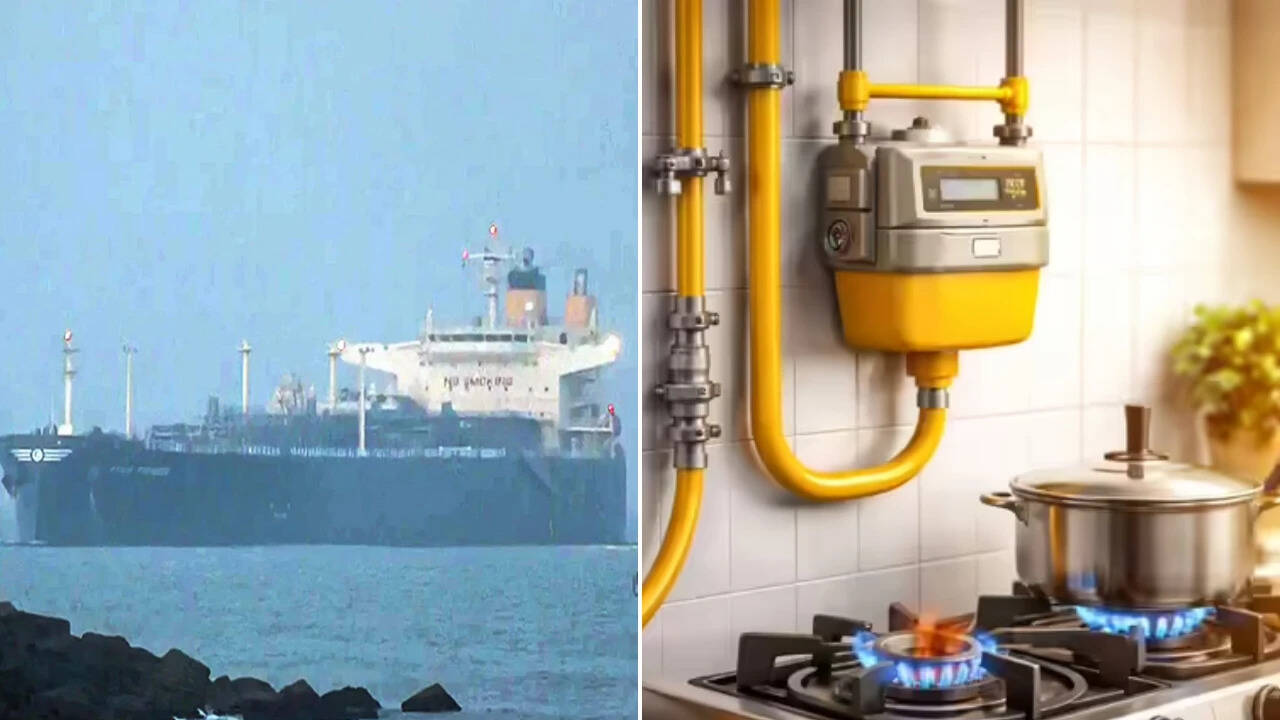
In a major update from the Middle East, Iranian authorities have stopped a ship traveling toward Pakistan and forced it to turn back. This incident took place in the Strait of Hormuz, a vital path for global trade and energy. Meanwhile, in India, the government has announced new rules that require a faster shift toward using gas pipelines for fuel transport. These developments are expected to have a significant effect on regional security and the way energy is moved across the country.
Main Impact
The decision by Iran to block a vessel headed for Pakistan has caused immediate concern among international shipping companies. This move could lead to higher insurance costs for ships and potential delays in the delivery of goods. On the domestic front, the Indian government’s mandate to use gas pipelines will change how industries operate. By moving away from road and rail transport for gas, the country aims to lower its carbon footprint and reduce the cost of doing business. This shift is a major part of India’s plan to become a cleaner and more efficient economy.
Key Details
What Happened
The evening news wrap highlighted two main stories. First, a cargo ship on its way to Pakistan was intercepted by Iranian forces in the Strait of Hormuz. The ship was told it could not continue its journey and had to return to its previous port. While the exact reason for this action is still being studied, it points to growing tensions in the region. Second, the Indian Ministry of Petroleum and Natural Gas issued a new directive. This rule says that companies must now prioritize using the national gas grid instead of using trucks or trains to move natural gas. This is intended to make the energy supply chain more stable and less prone to accidents.
Important Numbers and Facts
The Strait of Hormuz is one of the most important water passages in the world, with nearly 20% of the world's oil passing through it every day. Any disruption here can cause global oil prices to rise quickly. In India, the government wants to increase the share of natural gas in the energy mix from about 6% to 15% by the end of the decade. To achieve this, thousands of kilometers of new pipelines are being built. The new mandate will help fill these pipelines and ensure that the massive investment in infrastructure does not go to waste.
Background and Context
To understand why these events matter, we have to look at the bigger picture. The Strait of Hormuz has often been a place of conflict because it is so narrow and so many countries depend on it for trade. When Iran stops a ship, it sends a message to the world about its control over this area. For Pakistan, which relies on sea trade for many of its basic needs, this is a serious issue. In India, the push for gas pipelines is part of the "One Nation, One Gas Grid" project. For a long time, India has moved gas using tankers on roads. This is slow, expensive, and can be dangerous. Moving to a pipeline system is a modern solution used by many developed nations to ensure a steady flow of energy to factories and homes.
Public or Industry Reaction
Shipping experts have expressed worry that the incident in the Strait of Hormuz might lead to more naval patrols and higher security fees for trade ships. Many are calling for a peaceful resolution to prevent trade from slowing down. In India, industry leaders have welcomed the move toward pipelines but have also raised some concerns. Some smaller companies say that connecting to the pipeline grid might be expensive at first. However, most experts agree that in the long run, it will save money and help the environment. Environmental groups have praised the decision, noting that fewer trucks on the road will mean less air pollution and fewer traffic jams.
What This Means Going Forward
Looking ahead, we can expect more focus on maritime security in the Middle East. Countries that use the Strait of Hormuz will likely look for ways to protect their ships or find alternative routes, though alternatives are limited. In India, the government will likely provide more support to help companies switch to the pipeline system. We may see more construction projects starting soon to connect remote areas to the main gas grid. This will be a test of how quickly the country can modernize its energy infrastructure. If successful, it could make Indian products more competitive in the global market because energy costs will be lower.
Final Take
Today’s news shows how closely connected energy, security, and trade are in our world. A single event in a narrow stretch of water can affect many countries, while a government policy in India can change the future of the energy industry. These updates remind us that the world is moving toward more structured and secure ways of handling resources. Staying informed about these changes is key to understanding how the global economy will look in the coming years.
Frequently Asked Questions
Why is the Strait of Hormuz so important?
It is a narrow waterway that connects the Persian Gulf with the Gulf of Oman and the Arabian Sea. It is the main route for oil exports from the Middle East to the rest of the world.
Why is India moving to gas pipelines?
Pipelines are a safer, cheaper, and cleaner way to transport natural gas compared to using trucks or trains. It helps reduce pollution and makes the energy supply more reliable.
What happens if a ship is turned back?
When a ship is turned back, it causes delays in delivery and increases costs for the shipping company. It can also lead to higher prices for the goods being carried, such as fuel or food.



