Summary
Iran has officially accused the United States of engaging in "armed robbery" on the open ocean. This strong statement follows the recent seizure of oil tankers by U.S. authorities. Iranian officials are calling these actions a "return of the pirates," claiming that the U.S. is breaking international laws to steal their resources. This development marks a sharp increase in the long-running tension between the two nations over oil exports and global trade rules.
Main Impact
The main impact of this situation is a heightened risk to global shipping and energy security. When the world’s most powerful navy and a major oil producer trade such serious accusations, it creates fear in the global markets. Shipping companies may now face higher insurance costs and must take extra safety measures when traveling through sensitive waters. Furthermore, this conflict makes it much harder for any future diplomatic talks to succeed, as trust between the two sides has reached a new low.
Key Details
What Happened
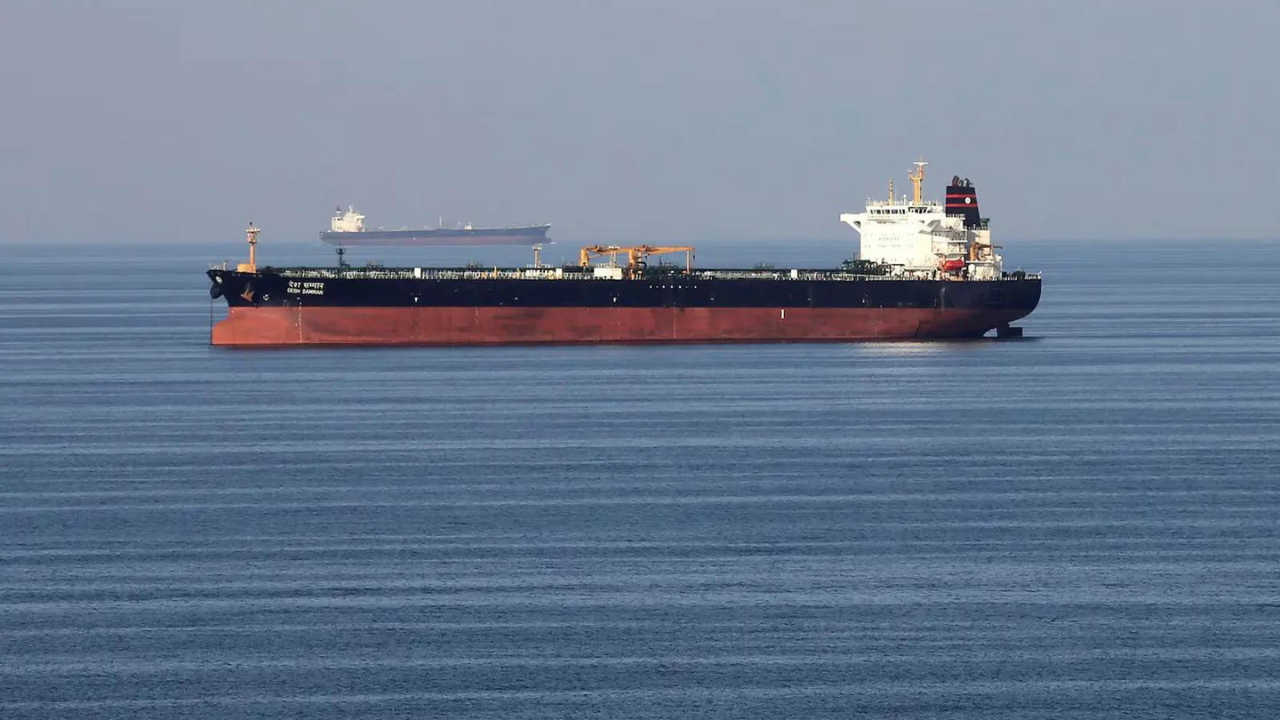
The dispute started after U.S. federal agents took control of ships carrying Iranian crude oil. The U.S. government claims these shipments violate trade sanctions meant to limit Iran's income. Once the ships were seized, the oil was often sold, and the money was kept by the U.S. government. Iran views this not as law enforcement, but as a direct theft of their national property. They argue that the U.S. has no right to stop ships in international waters, regardless of what they are carrying.
Important Numbers and Facts
Over the past few years, the U.S. has seized millions of barrels of Iranian oil. In some cases, single tankers carrying over 800,000 barrels have been redirected to U.S. ports. These seizures are based on court orders issued in Washington D.C. Iran has responded in the past by seizing foreign-flagged vessels in the Persian Gulf, leading to a cycle of "tit-for-tat" actions. Currently, the value of the disputed oil runs into hundreds of millions of dollars, which Iran says is vital for its struggling economy.
Background and Context
This conflict is rooted in the decision by the United States to place heavy sanctions on Iran. These sanctions are designed to stop Iran from selling oil to other countries. The U.S. says these rules are necessary to prevent Iran from funding certain military activities. However, Iran does not recognize these U.S. laws as valid on a global scale. They believe they have every right to sell their natural resources to any country willing to buy them. This disagreement has turned the sea into a primary spot for political and economic conflict.
Public or Industry Reaction
The Iranian Foreign Ministry has been very vocal, using social media and official news outlets to spread their message about "modern piracy." They want the international community to condemn the U.S. actions. On the other side, U.S. officials defend the seizures as a legal way to enforce national security policies. Shipping industry experts are worried. They have warned that if this continues, the Strait of Hormuz—a narrow waterway where much of the world's oil passes—could become a dangerous "no-go zone" for many commercial vessels.
What This Means Going Forward
Looking ahead, we can expect more legal battles in international courts. Iran is likely to seek help from the United Nations to stop these seizures. There is also a high risk that Iran will retaliate by stopping more ships that they believe are linked to the U.S. or its allies. This could lead to a "tanker war" similar to what was seen in the 1980s. For regular people, this might eventually mean higher gas prices if the supply of oil is interrupted by these maritime conflicts.
Final Take
The accusation of "armed robbery" shows that the fight over oil is no longer just about money or politics; it has become a matter of national pride and maritime safety. As both countries refuse to back down, the ocean remains a place of high tension. The world is watching to see if these heated words will turn into a larger physical conflict that could affect everyone.
Frequently Asked Questions
Why is the U.S. seizing Iranian oil tankers?
The U.S. seizes these tankers because it has placed sanctions on Iran. These sanctions make it illegal under U.S. law for Iran to sell oil. The U.S. uses court orders to take the oil and use the money for various government funds.
What does Iran mean by "armed robbery on high seas"?
Iran uses this phrase to argue that the U.S. is using military force to take property that does not belong to them. They believe that because the seizures happen in international waters, the U.S. is acting like a pirate rather than a legal authority.
How does this affect the price of oil?
When there is trouble in shipping lanes, the price of oil often goes up. This is because traders worry that oil deliveries will be delayed or stopped. If the conflict gets worse, it could lead to more expensive fuel for people around the world.