Summary
The IPL governing council has taken strict disciplinary action against two major players following the match between Royal Challengers Bengaluru (RCB) and Mumbai Indians (MI). Tim David from RCB was fined for failing to follow the instructions of the match officials during a ball change. At the same time, Mumbai Indians captain Hardik Pandya received a heavy fine because his team took too long to bowl their overs. These penalties highlight the league's commitment to maintaining discipline and keeping the game moving on schedule.
Main Impact
The most significant impact of these rulings is the clear message sent to all teams about following match protocols. Tim David’s fine is particularly notable because it involves a direct disagreement with the umpires on the field. While players often have opinions on the condition of the ball, the rules state they must listen to the officials immediately. For Hardik Pandya, the financial penalty serves as a warning that tactical delays during high-scoring matches will not be ignored by the league authorities.
Key Details
What Happened
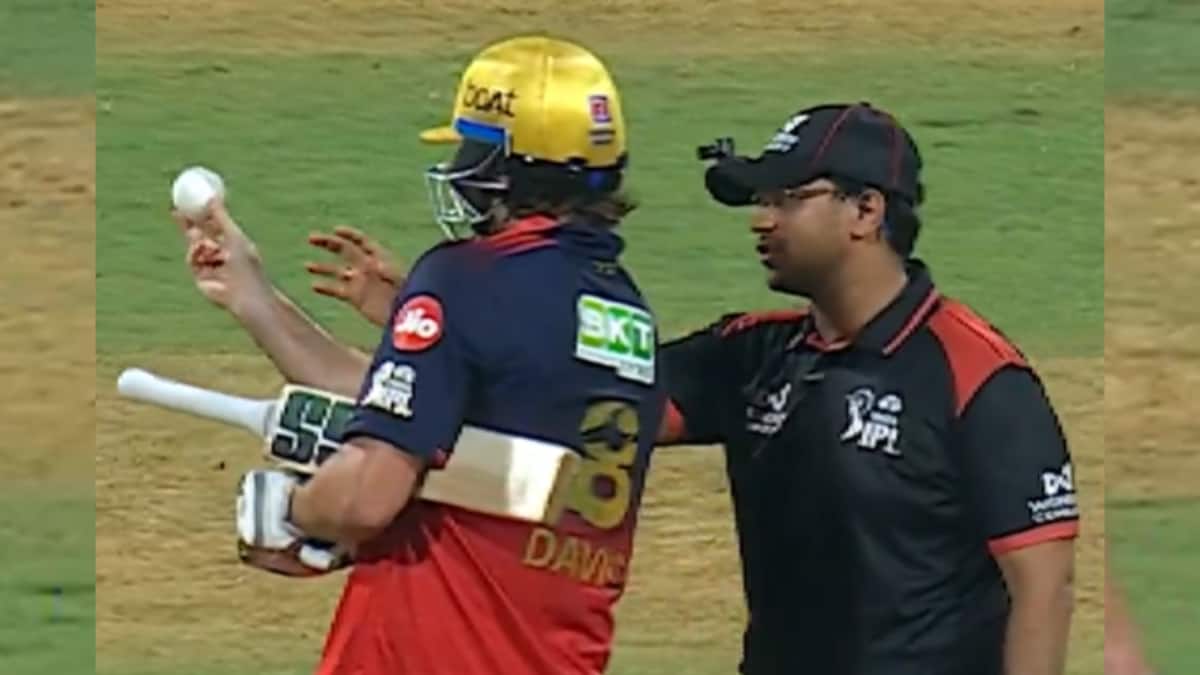
The incident involving Tim David took place at the Wankhede Stadium during the second half of the game. In the eighteenth over of the Bengaluru innings, the ball had to be replaced because it had become too wet from moisture on the grass. When the umpires brought out a replacement ball, Tim David took it to inspect it. Umpire Swaroopanand Kannur asked for the ball back multiple times, but David reportedly ignored these requests. A similar situation happened again in the final over of the match.
Hardik Pandya’s issue was related to the speed of the game. His team, the Mumbai Indians, failed to finish their 20 overs within the allowed time limit. This is known as a slow over-rate. Because the game was very high-scoring, the captain spent extra time talking to his bowlers to set fields, which caused the delay.
Important Numbers and Facts
The IPL council released specific details regarding the punishments. Tim David has been fined 25 per cent of his match fee. He was also given one demerit point. A demerit point is like a black mark on a player's record; if a player gets too many of them in a certain period, they can be banned from playing in future matches. David was charged under Article 2.4 of the IPL Code of Conduct, which covers "disobedience of an umpire’s instruction."
Hardik Pandya was fined INR 12 lakh. This is the standard fine for a captain when their team commits a slow over-rate offense for the first time in a season. If the team does this again, the fine will increase, and other players in the team might also have to pay. The match itself was a high-scoring thriller, with RCB scoring 240 runs and MI finishing with 222 runs.
Background and Context
In cricket, the condition of the ball is very important. When the ground is wet, the ball becomes slippery and hard to grip. This makes it difficult for bowlers to bowl accurately. In such cases, umpires use a tool to measure the ball or decide to swap it for a dry one that has a similar amount of wear and tear. Players are not allowed to interfere with this process or choose the ball themselves. The umpires are the only people who have the authority to decide which ball is used.
The over-rate rule exists to make sure cricket matches do not go on for too long. This is important for television schedules and for the fans in the stadium. When a team bowls too slowly, it can give them an unfair advantage by allowing them more time to think about their strategy. To stop this, the IPL uses strict financial penalties against the captains.
Public or Industry Reaction
Fans on social media had mixed reactions to the news. A video of Tim David holding the ball while the umpire waited went viral. Some fans felt David was just trying to ensure the game was fair by checking the ball's condition. However, cricket experts pointed out that the umpire's word is final and players must show respect to the officials. Most people agreed that the high-scoring nature of the game, where nearly 500 runs were scored in total, made the players more stressed than usual.
What This Means Going Forward
For Tim David, this incident means he must be very careful for the rest of the season. If he gets more demerit points, he could face a suspension, which would hurt RCB's chances in the tournament. He has already accepted the punishment, which means there will be no further legal arguments about the incident. He will likely be more cooperative with officials in future games.
For Hardik Pandya and the Mumbai Indians, they now have a "first strike" on their record for slow over-rates. If they fail to bowl their overs on time a second or third time this year, the penalties will become much harsher. The captain will need to find a way to manage his team's time better, even when the opposing batters are scoring runs quickly. This might mean shorter team meetings on the field and faster transitions between overs.
Final Take
Cricket is a game of high emotions, especially in a league as big as the IPL. However, these fines show that the rules of the game are more important than any single player or moment. By punishing both a star batter and a famous captain, the IPL is making sure that the game remains fair and moves at the right speed for everyone watching.
Frequently Asked Questions
Why was Tim David fined?
He was fined because he did not follow the umpire's instructions to return the ball during a ball change. This is considered a breach of the league's code of conduct regarding respect for officials.
What is a slow over-rate fine?
A slow over-rate fine is a money penalty given to a team captain if their team does not bowl all their overs within the required time limit. It is meant to keep the game moving quickly.
What happens if a player gets a demerit point?
A demerit point stays on a player's record for a set amount of time. If a player collects enough points through bad behavior, they can be suspended from playing in one or more matches.