Summary
Intel is making a major move to lead the next generation of computer hardware by focusing on advanced chip packaging. The company has reopened and upgraded its factories in Rio Rancho, New Mexico, to handle this complex work. This shift is designed to meet the massive demand for artificial intelligence (AI) technology. By using new methods to build chips, Intel hopes to win back its position as a top player in the global semiconductor market.
Main Impact
The biggest impact of this move is how it changes the way computers are built. For a long time, chips were made as single, solid pieces. Now, Intel is using a method that combines several smaller pieces, called chiplets, into one powerful unit. This allows for much faster processing speeds and better energy use. This change is vital for AI, which requires an incredible amount of power to function. By focusing on this technology, Intel is positioning itself to be the primary factory for the world’s most advanced tech companies.
Key Details
What Happened
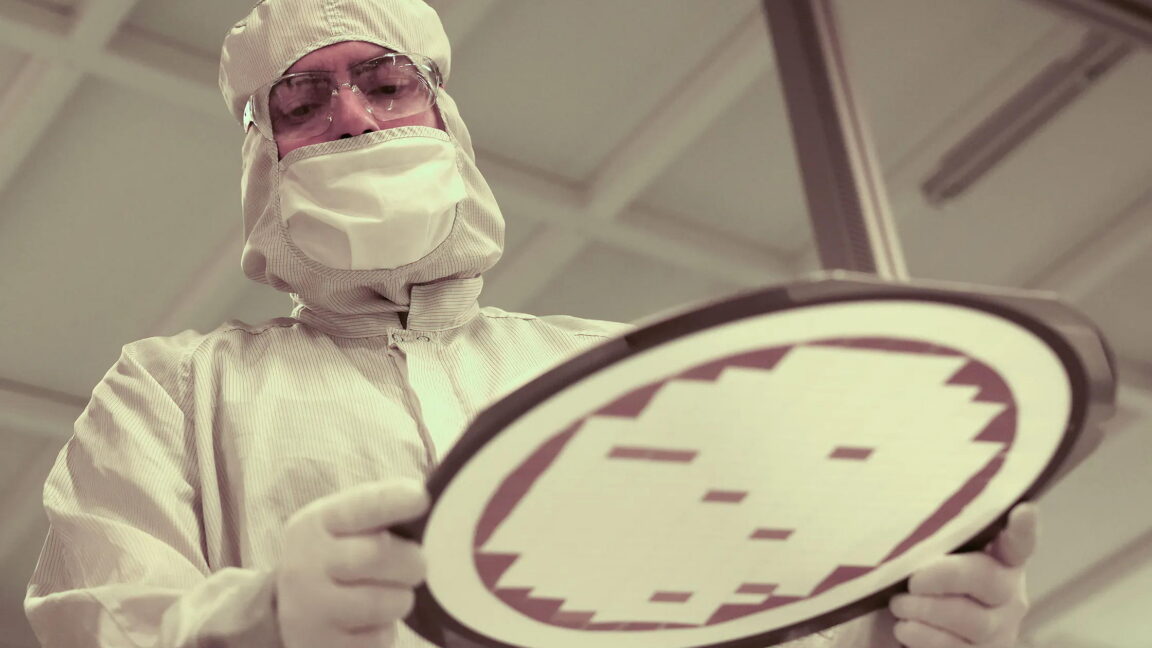
Intel has brought a dormant factory back to life in New Mexico. The site, known as Fab 9, had been closed since 2007. For years, the building sat empty, but Intel has now spent billions of dollars to fill it with the latest tools. This factory, along with its neighbor Fab 11X, is now the center of Intel’s advanced packaging operations. The facility is no longer a quiet relic of the past; it is now a high-tech hub where the company puts together the most complicated chips in its lineup.
Important Numbers and Facts
The scale of this project is massive. The New Mexico site covers more than 200 acres of land. To help pay for these upgrades, Intel received $500 million from the US government through the CHIPS Act. This government funding is part of a larger plan to bring more chip manufacturing back to the United States. Intel has also invested billions of its own money into the Rio Rancho site to ensure it can compete with international rivals. The goal is to create a steady supply of chips that do not rely entirely on overseas factories.
Background and Context
To understand why this matters, you have to understand what chip packaging is. In the past, packaging was just the final step where a chip was put into a protective case. Today, "advanced packaging" is much more important. It is like building with high-tech blocks. Instead of trying to cram everything onto one tiny slice of silicon, engineers make different parts of the chip separately. They then use advanced packaging to stack them or connect them very closely. This makes the final product much more flexible and powerful.
This topic is important because the world is currently in an AI boom. Companies like Google, Amazon, and Microsoft are all looking for custom chips to run their AI programs. They need these chips to be built quickly and efficiently. Intel’s new focus on packaging allows them to offer these companies a way to build custom hardware that fits their specific needs.
Public or Industry Reaction
The tech industry is watching Intel closely. For many years, a company called TSMC in Taiwan has been the clear leader in making and packaging chips. Most of the world’s most advanced chips come from their factories. Industry experts see Intel’s move as a direct challenge to TSMC’s dominance. While Intel still has a long way to go to match the size of its competitors, the growth in its packaging business shows that it is moving in the right direction. Many investors and government officials are happy to see Intel investing so heavily in American manufacturing, as it helps secure the supply chain for critical technology.
What This Means Going Forward
Looking ahead, Intel plans to make its packaging services a core part of its business. The company is not just making its own chips anymore; it is acting as a "foundry" for others. This means other companies can design a chip and pay Intel to build and package it. As AI continues to grow, the demand for this service will likely increase. The success of the New Mexico factories will be a major test for Intel. If they can prove that they can handle the most difficult packaging jobs, they could become the go-to partner for the biggest names in tech. This would help the company grow its revenue and reduce the world's reliance on a single region for chip production.
Final Take
Intel is betting that the future of computing is not just about how small you can make a chip, but how well you can put it together. By reviving its New Mexico facilities and embracing chiplet technology, the company is trying to reinvent itself for the AI era. This strategy is a bold attempt to lead the market once again and ensure that the most important technology of the future is built on American soil.
Frequently Asked Questions
What is advanced chip packaging?
It is a modern way of building computer chips by connecting several smaller pieces, called chiplets, into one single unit. This makes the chips more powerful and efficient than older designs.
Why did Intel reopen the factory in New Mexico?
Intel reopened the factory to focus on its growing advanced packaging business. The site provides the space and technology needed to build the complex chips used in artificial intelligence.
How does the US CHIPS Act help Intel?
The CHIPS Act provides government money to companies that build chip factories in the United States. Intel received $500 million from this fund to help pay for the upgrades at its New Mexico site.