
Summary
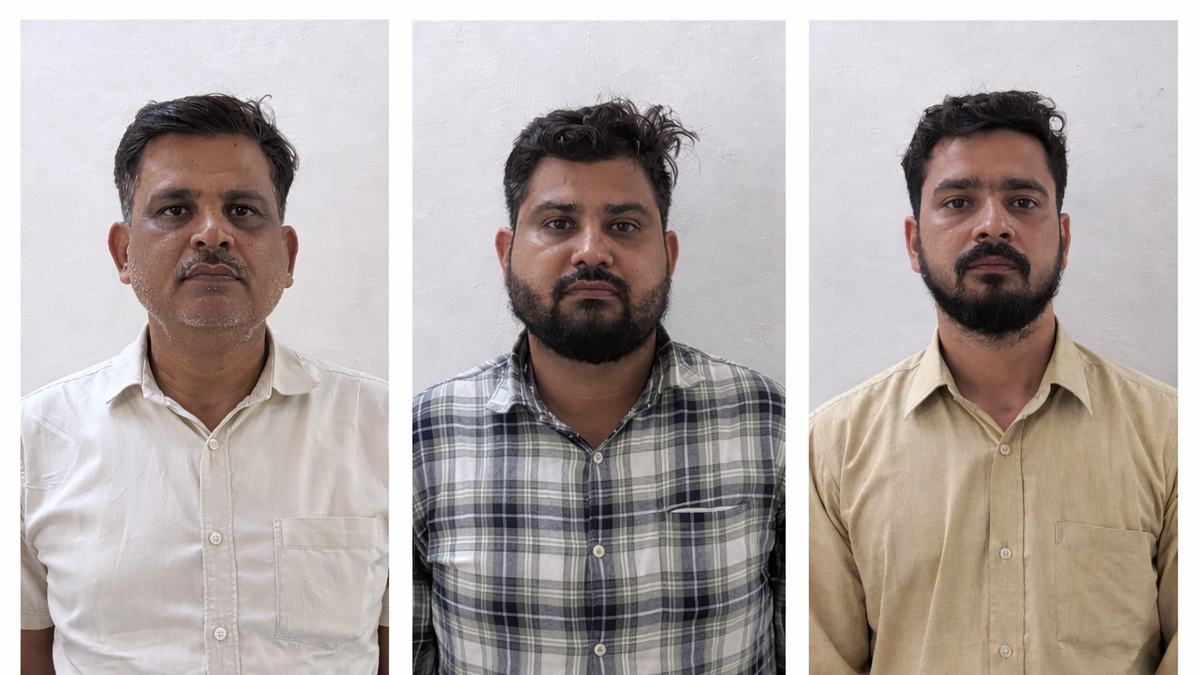
Police in Kerala have arrested three men in Noida, Uttar Pradesh, for their involvement in a loan app harassment case. The arrests follow the tragic death of a Bachelor of Dental Surgery (BDS) student who reportedly took her own life after being targeted by recovery agents. The suspects were linked to an application called InstaPay, which is accused of using illegal and aggressive tactics to collect money from borrowers. This case has sparked a wider conversation about the dangers of unregulated digital lending platforms in India.
Main Impact
The primary impact of this case is the increased pressure on illegal digital lending platforms that operate across state lines. By traveling from Kerala to Noida to make these arrests, the Kannur City Cyber Crime police have shown that distance will not protect those who run these scams. This action sends a strong message to the operators of "instant loan" apps that use blackmail and social shaming as tools for recovery. For the public, it serves as a grim reminder of how quickly a small financial debt can turn into a life-threatening situation when dealing with unverified mobile applications.
Key Details
What Happened
The investigation began after a young dental student in Kerala died by suicide. Her family and friends alleged that she was being constantly harassed by people working for a loan app. These agents reportedly gained access to her personal information and used it to threaten her. After tracking the digital footprints of the harassment, the Kerala police identified a group operating out of Noida. A special team was sent to the northern state, where they worked with local authorities to take three individuals into custody. These men are believed to be key operators or agents for the InstaPay app.
Important Numbers and Facts
The arrests took place in April 2026, following weeks of digital tracking. While the exact amount the student borrowed has not been made public, these types of apps often lend small amounts ranging from 3,000 to 10,000 rupees. However, the interest rates and "processing fees" often double the debt within a few weeks. The police have seized several mobile phones, SIM cards, and laptops from the suspects. These devices are being analyzed to find out how many other people were being targeted by the same group. Reports suggest that hundreds of people across different states may have been contacted by this specific recovery cell.
Background and Context
Instant loan apps have become very common in India over the last few years. They promise quick money without the need for paperwork or bank visits. Most of these apps target students or low-income workers who need cash urgently. When a user installs the app, they are asked to give permission to access their contacts, photo gallery, and location. This is where the danger starts. If a borrower misses a payment by even one day, the app operators download the user's photos and contact list. They then call the borrower’s parents, friends, or bosses to shame them. In some extreme cases, they edit the borrower's photos in a disrespectful way and send them to everyone in their contact list. This "digital shaming" often leads to extreme mental stress and, as seen in this case, tragic outcomes.
Public or Industry Reaction
The death of the BDS student has caused significant anger among the public in Kerala. Many people are calling for the government to ban all loan apps that are not registered with the Reserve Bank of India (RBI). Cyber security experts have warned that these apps often change their names and logos frequently to avoid being caught by Google or Apple. Social media users have been sharing the student's story to warn others about the risks of sharing personal data with unknown apps. Law enforcement agencies are now urging victims to come forward and report harassment early, rather than suffering in silence.
What This Means Going Forward
Moving forward, there will likely be a much tighter crackdown on call centers that manage these loan apps. The police are expected to work more closely with internet service providers to block these applications at the source. For the general public, this case highlights the need for better digital safety habits. People are advised to only use apps from well-known banks or financial institutions. The government may also introduce new rules that make it harder for apps to request access to a user's entire contact list or photo gallery. The three men arrested in Noida will face charges related to abetment of suicide and various cybercrime laws, which could lead to long prison sentences.
Final Take
The arrest of the InstaPay operators is a step toward justice, but it also shows how deep the problem of digital harassment goes. While technology makes borrowing money easier, it also creates new ways for criminals to exploit vulnerable people. Education and quick police action are the best tools to stop these predatory lending practices. No amount of debt should ever lead to the loss of a life, and this case serves as a call for everyone to be more careful about the digital permissions they grant on their smartphones.
Frequently Asked Questions
What is the InstaPay loan app?
InstaPay is a mobile application that offers quick personal loans. It has been accused of using illegal harassment and blackmail tactics to collect money from borrowers who fall behind on payments.
How do these loan apps get access to personal photos?
When a user installs the app, it asks for permission to access the phone's gallery and contacts. Many users click "allow" without realizing that the app operators can then download and use their private data for harassment.
What should I do if a loan app is harassing me?
You should immediately stop communicating with the agents and file a complaint with the local Cyber Crime police or through the national cybercrime reporting portal. Do not give in to blackmail, as paying more money often leads to more demands.



