Summary
The Indian Navy welcomed its newest stealth frigate, INS Mahendragiri, into service on Saturday. However, the induction comes as questions grow about the Navy's long-term plans to build a fleet of around 200 warships by 2035. A key project to buy eight new corvettes is still waiting for government approval, leading to debate about what kind of ships the Navy needs most.
Main Impact
The delay in approving the Next Generation Corvettes (NGCs) has sparked a discussion inside the defense establishment. Some officials are asking if the Navy should focus more on fighting submarines instead of buying more missile-carrying ships. This debate is happening as China helps Pakistan build a new fleet of advanced submarines, which could pose a serious threat in the region.
Key Details
What Happened
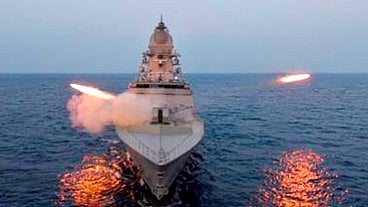
INS Mahendragiri is the sixth and latest ship in the Project 17A Nilgiri-class of stealth frigates. It was built in India and is designed to be a frontline combatant for the Navy. The ship was commissioned on July 11, 2026, in a ceremony that highlighted its indigenous design and construction.
Important Numbers and Facts
The Navy's goal is to have around 200 warships by 2035. But it has not placed any major new orders for warships in nearly three years. The last big order was for 11 Next Generation Offshore Patrol Vessels, approved in March 2023. Seven of those are being built by Goa Shipyard Ltd, and the rest by Garden Reach Shipbuilders and Engineers Ltd in Kolkata.
The proposed Next Generation Corvettes project, called Project 28A, has completed its bidding process but still needs approval from the Cabinet Committee on Security (CCS). The Navy is also planning other big projects, including Next Generation Destroyers that could cost around Rs 80,000 crore, and new submarines under Project 75(I) that are expected to arrive from 2033.
Background and Context
The Indian Navy currently has four Kamorta-class corvettes that are designed to hunt submarines. It is also getting 16 shallow water anti-submarine warfare craft to protect coastal areas and harbors. But some analysts say the Navy needs bigger ships that can operate in deep waters for longer periods. This is because Chinese submarines have been seen in the Bay of Bengal, and Pakistan is expected to deploy its new submarines in both the Arabian Sea and the Bay of Bengal once they are all delivered.
The debate over the corvettes is partly about whether the Navy needs more ships that can fight submarines instead of more ships that carry missiles. The new stealth frigates like INS Mahendragiri already have strong missile capabilities, which makes some question the need for additional missile corvettes.
Public or Industry Reaction
Defense observers and analysts have pointed out that the changing security situation in the region may require a greater focus on anti-submarine warfare. They argue that the threat from submarines is growing, especially with China's support for Pakistan's submarine program. The first of Pakistan's eight new diesel-electric attack submarines, which use Air Independent Propulsion (AIP) technology, has already been delivered.
The Navy has not commented publicly on the delay in the corvette project. But the discussion inside defense circles suggests that the CCS may be reviewing whether the missile corvettes are the right priority at this time.
What This Means Going Forward
The delay in approving the Next Generation Corvettes could slow down the Navy's plans to expand its fleet. It also raises questions about how the Navy will balance its need for missile-carrying ships with the growing need for submarine-hunting vessels. The Navy is also working on other big projects, including new destroyers, submarines, and landing platform docks for amphibious operations. But without clear approval for the corvettes, the overall timeline for reaching the 200-ship goal remains uncertain.
The government's decision on the corvette project will be a key signal about its priorities for the Navy. If the focus shifts more toward anti-submarine warfare, it could mean changes in future ship designs and procurement plans.
Final Take
The induction of INS Mahendragiri is a proud moment for the Indian Navy, showing its ability to build advanced warships at home. But the bigger challenge lies ahead: deciding what kind of fleet India needs to face future threats. The debate over corvettes versus submarine hunters is not just about one project. It is about the Navy's overall strategy in a region where underwater threats are growing fast.
Frequently Asked Questions
What is INS Mahendragiri?
INS Mahendragiri is the sixth stealth frigate of the Nilgiri-class, built under Project 17A. It was inducted into the Indian Navy on July 11, 2026, and is designed for frontline combat operations.
Why is the Next Generation Corvette project delayed?
The project, known as Project 28A, has completed its bidding process but is still awaiting approval from the Cabinet Committee on Security. The delay has led to debate about whether the Navy should focus more on anti-submarine warfare instead of additional missile corvettes.
What is the Indian Navy's fleet target?
The Indian Navy aims to have around 200 warships by 2035. However, it has not placed any major new warship orders in nearly three years, raising questions about whether this target can be met on time.