
Summary
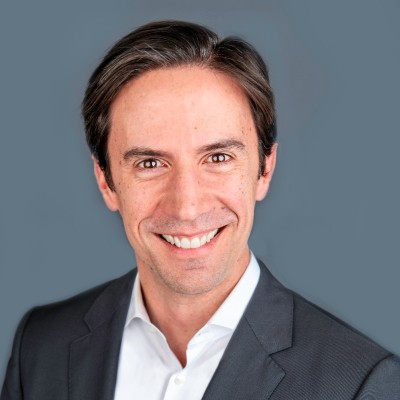
Ingersoll Rand has seen its company value grow by more than eight times since 2017. The company's CEO, Vicente Reynal, says this massive success is due to a simple but powerful change: making every employee an owner. By giving workers a stake in the business, the company turned its staff into partners who care about long-term results. This approach has improved safety, kept workers from leaving, and helped the company grow through dozens of new acquisitions.
Main Impact
The biggest impact of this program is the total change in how employees think and act. When workers own a piece of the company, they no longer see themselves as just people doing a job for a paycheck. Instead, they look for ways to save money, improve how things are made, and provide better service to customers. This shift has led to a huge increase in the company’s total value, proving that when workers do well, investors also do well. It has moved the company from a standard industrial business to a high-performing global leader.
Key Details
What Happened
The journey began in 2017 at a company called Gardner Denver. The CEO worked with a large investment group to give every single employee stock in the company. This included everyone from people working on the factory floor to those in the front offices. When Gardner Denver merged with Ingersoll Rand in 2020, they kept this ownership model. Now, more than 21,000 people across the world are part-owners of the business. This has created a culture where ideas for improvement come from every level of the organization, not just the top bosses.
Important Numbers and Facts
The results of this ownership plan are clear and measurable. Since the program started, the company’s enterprise value has grown by more than 800%. Employee engagement, which measures how happy and involved workers are, has reached the top 10% of all companies globally. Additionally, the company has bought more than 75 other businesses in recent years. Many of these were family-owned shops that chose to sell to Ingersoll Rand because they liked how the company treats its workers as owners.
Background and Context
The CEO’s belief in employee ownership comes from his early days working in a factory. Even though he had advanced degrees from top schools, he realized that traditional management often failed. In many factories, when a company finds ways to be more efficient, it often hurts the workers by cutting their overtime or pay. This creates a gap where the bosses want one thing and the workers want another. By giving everyone stock, the company closed this gap. Now, when the company becomes more efficient and profitable, the workers' shares become more valuable. This aligns everyone’s goals so that they are all working toward the same outcome.
Public or Industry Reaction
The reaction to this model has been very positive, both inside and outside the company. Employees have used the money from their shares to change their lives. Some have paid off their parents' home loans, while others have funded medical care for family members that they otherwise could not afford. In the business world, the sales teams use this ownership as a way to win new customers. They tell clients that the person fixing their machine is an owner of the company, which means they will provide better service. Other industry leaders are also taking notice, and the CEO now supports groups that help more companies adopt this same ownership style.
What This Means Going Forward
Ingersoll Rand plans to keep using this model as it grows even larger. The company believes that shared ownership makes them more resilient during tough economic times. Because employees are focused on the long-term health of the business, they are more likely to find ways to save money and stay productive when challenges arise. The company also hopes to inspire other large corporations to try this approach. It shows that giving workers a piece of the pie is not just a nice thing to do, but a smart business move that leads to better financial results for everyone involved.
Final Take
Giving employees a stake in the business has proven to be a winning strategy for Ingersoll Rand. It has turned a large, global workforce into a focused team of owners who are dedicated to the company's success. This model proves that you do not have to choose between helping workers and helping investors. When everyone has a share in the results, the entire company becomes stronger, more innovative, and much more valuable.
Frequently Asked Questions
How does employee ownership work at Ingersoll Rand?
The company gives stock to every employee, from factory workers to office staff. This means that as the company grows and becomes more valuable, the employees' personal wealth also increases.
What are the main benefits of this program?
The program has led to an 8x growth in company value, better safety records, and much higher employee happiness. It also helps the company attract and keep talented workers who want to be part of a business they own.
Is this model hard to use in a large company?
While some people think it is too complicated for a global company, Ingersoll Rand has shown it can work. They use a specific plan to make sure every worker understands how their daily actions help increase the value of their shares.



