
Summary
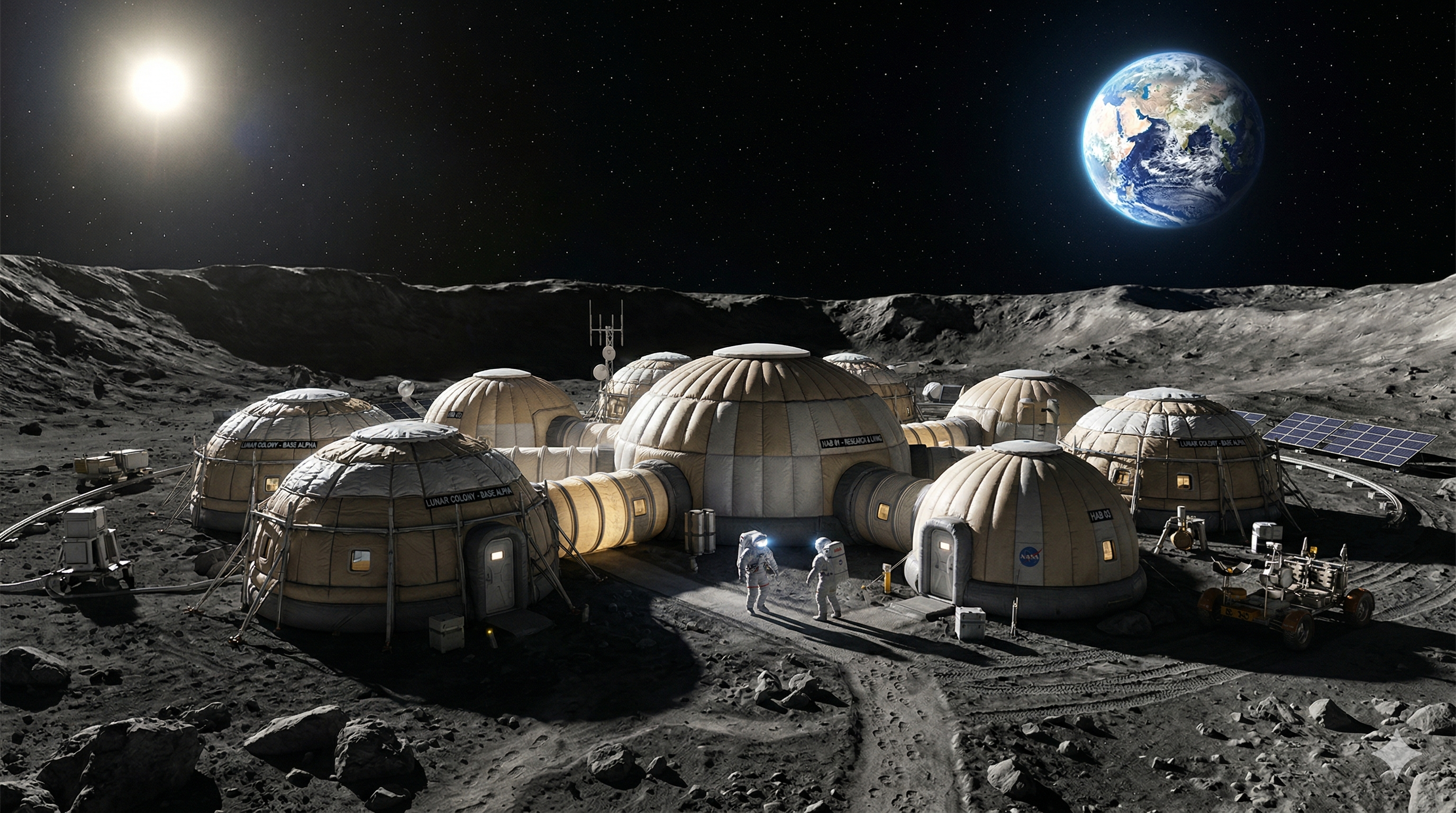
Scientists and space experts have shared new details about using inflatable structures to build homes on the Moon. These habitats are made from high-strength fabrics that can be folded into a small space for travel and then expanded once they land. This technology is expected to speed up the timeline for human settlement on the lunar surface. By using these lightweight materials, space agencies can create large living areas much faster and cheaper than using traditional metal modules.
Main Impact
The biggest impact of this development is how it changes the logistics of space travel. In the past, building a base on the Moon required heavy, rigid rooms made of aluminum or steel. These take up a lot of space inside a rocket and are very heavy to lift into orbit. Inflatable homes solve this problem because they are light and compact. This means a single rocket can carry a much larger living space, allowing more astronauts to live and work on the Moon sooner than we previously thought possible.
Key Details
What Happened
Researchers have been testing a new generation of "expandable habitats." These are not like simple balloons; they are complex structures made of many layers of advanced materials. When the module reaches the Moon, it is filled with air, causing it to grow to its full size. These structures have passed several safety tests on Earth, proving they can handle the high pressure needed for humans to breathe inside. Several private companies are now working with space agencies to get these modules ready for upcoming lunar missions.
Important Numbers and Facts
These inflatable homes can expand to be three to five times larger than their size during launch. The walls are made of materials like Kevlar and Vectran, which are much stronger than steel. These layers must protect astronauts from extreme conditions. On the Moon, temperatures can rise to 127 degrees Celsius during the day and drop to -173 degrees Celsius at night. The structures are also designed to withstand the impact of tiny space rocks that fly at thousands of miles per hour.
Background and Context
The idea of inflatable space homes is not entirely new. NASA first explored this concept in the 1990s with a project called TransHab. While that project did not go to the Moon, the technology was later used for a small module on the International Space Station. Now, with the Artemis program aiming to return humans to the Moon, the need for a permanent place to stay has become urgent. The Moon is a difficult place to live because it has no atmosphere to block harmful radiation from the sun. Scientists believe that these inflatable homes, once covered with a layer of Moon soil, will provide the best protection for long-term residents.
Public or Industry Reaction
The space industry has reacted with great excitement to these findings. Engineers point out that inflatable modules offer more "room to move" for astronauts, which is important for mental health during long missions. Some critics initially worried that a single puncture could cause the whole house to deflate. However, testing has shown that the multi-layer fabric is actually better at absorbing hits from space debris than solid metal. Industry leaders now see this as the most practical way to build a sustainable colony away from Earth.
What This Means Going Forward
In the coming years, we will see the first full-scale inflatable modules sent to lunar orbit and then to the surface. These will serve as laboratories, bedrooms, and gyms for astronauts. If these homes prove successful on the Moon, they will likely be the primary choice for the first human missions to Mars. The goal is to create a "lunar village" where scientists can stay for months at a time. This will help us learn how to use local resources, like water ice found in Moon craters, to support life without relying entirely on supplies from Earth.
Final Take
The dream of living on another world is moving closer to reality. Inflatable technology provides a smart solution to the difficult problem of building in space. By making homes that are easy to transport and tough enough to survive the lunar environment, we are opening the door for a new era of space exploration. The Moon is no longer just a place to visit; it is becoming a place where humans can truly live.
Frequently Asked Questions
Are inflatable homes strong enough to stop space rocks?
Yes. They are made of many layers of high-strength fabric that can catch and stop small space rocks better than thin metal walls can. The fabric layers spread the force of the impact.
How do astronauts get air inside these homes?
The homes are filled with air from tanks brought from Earth. Once the base is set up, machines will recycle the air and potentially create new oxygen from the Moon's soil or ice.
Will the homes pop if they get a small hole?
The structures are designed with multiple air-tight layers. If one layer is damaged, the others stay intact. They also have sensors to find leaks so they can be fixed quickly before they become a problem.

