
Summary
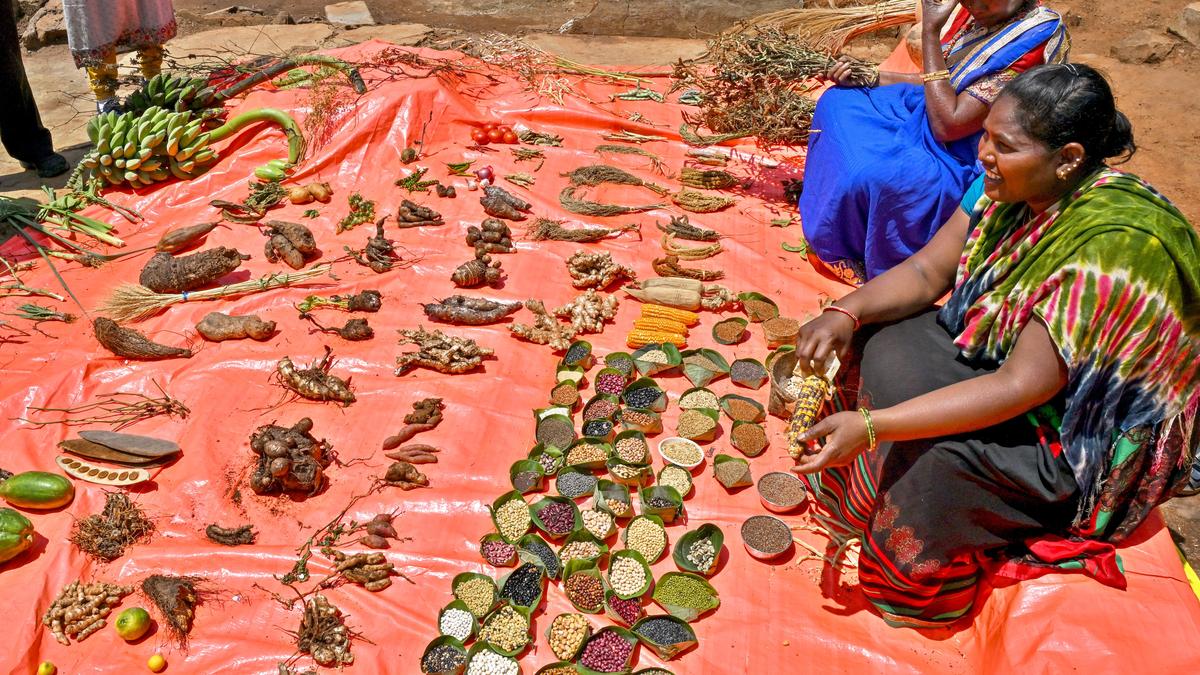
Farmers in the Eastern Ghats of Andhra Pradesh are leading a movement to bring back traditional seeds. These indigenous varieties, which were used for generations, are being saved and shared through a growing network of local growers. This effort helps protect the environment and ensures that tribal communities can grow their own food without relying on expensive outside companies. By reviving these ancient crops, farmers are making their food systems stronger and more sustainable for the future.
Main Impact
The most significant impact of this movement is the return of farming independence to tribal communities. For many years, farmers felt forced to buy seeds from large corporations. These commercial seeds often required expensive chemical fertilizers and large amounts of water to grow. By switching back to indigenous seeds, farmers no longer have to spend a lot of money before they even start planting. These native seeds are naturally suited to the local weather and soil, meaning they can survive dry spells and pests much better than lab-grown varieties. This shift is helping families save money while improving the health of the land.
Key Details
What Happened
A group of tribal farmers in the hilly regions of Andhra Pradesh decided to stop using hybrid seeds. They noticed that their traditional crops were disappearing and that the soil was becoming less healthy. To fix this, they started collecting old seeds from elders in their villages. They created "seed banks," which are community storage areas where seeds are kept safe, dried, and organized. Instead of selling these seeds, farmers swap them with one another. This ensures that a wide variety of plants, such as different types of millets and rice, continue to grow in the region.
Important Numbers and Facts
The movement focuses on the Eastern Ghats, a large range of hills and mountains along India's eastern coast. Farmers are saving dozens of types of millets, including Ragi, Korra, and Sama. These grains are known for being very healthy and full of minerals. Unlike commercial crops, many of these traditional varieties do not need any chemical sprays to stay alive. This has led to a major reduction in farming costs. In some villages, nearly every household has now joined the network, moving away from modern farming methods that were causing them to fall into debt.
Background and Context
In the past, the "Green Revolution" encouraged farmers across India to use high-yield seeds to produce more food quickly. While this worked for a while, it created new problems. These new seeds were not used to the local climate of the Eastern Ghats. They needed constant care and expensive chemicals. Over time, the soil became tired and less fertile. Tribal farmers also lost the variety of food they used to eat, as they began growing only one or two types of crops to sell. Now, people are realizing that the old ways of farming were actually more advanced in terms of protecting nature and human health. Bringing back indigenous seeds is a way to fix the mistakes of the past.
Public or Industry Reaction
Local leaders and environmental groups have praised the farmers for their hard work. Experts say that these seed banks are a great example of "food sovereignty," which means people have the right to control how their food is produced. Health experts are also happy to see these crops return to the market. Traditional millets are becoming popular in big cities because they are gluten-free and very nutritious. This rising demand is helping tribal farmers find new customers who are willing to pay a fair price for natural, healthy food. The success of this network is now being looked at as a model for other parts of India.
What This Means Going Forward
The next step for these farmers is to connect more directly with buyers in the city. By cutting out middle-men, they can keep more of the profit for their own communities. There is also a plan to teach younger generations how to identify and save seeds so that this knowledge is not lost again. As the climate changes and weather becomes harder to predict, these hardy native seeds will be vital. They provide a safety net for food production because they can grow even when conditions are not perfect. The movement is expected to grow as more people look for food that is grown without harming the earth.
Final Take
The revival of indigenous seeds in Andhra Pradesh shows that the best solutions for the future often come from the past. By trusting their own traditions and working together, tribal farmers are protecting their health, their money, and their environment. This movement proves that farming does not have to be expensive or harmful to be successful. It is a powerful reminder that small seeds can lead to big changes for an entire region.
Frequently Asked Questions
What are indigenous seeds?
Indigenous seeds are traditional seeds that have been grown in a specific area for a very long time. They are naturally adapted to the local soil and weather conditions.
Why are seed banks important?
Seed banks allow communities to store and share seeds without having to buy them from companies. This keeps farming costs low and protects different types of plants from going extinct.
Are traditional crops better for the environment?
Yes, because they usually require much less water and do not need chemical fertilizers or pesticides to grow. This keeps the soil and water clean.

