
Summary
India is getting ready to launch its first home-grown bullet train very soon. This new high-speed train is being built using local technology and expertise, marking a major step toward self-reliance in the transport sector. By creating its own high-speed rail system, the country aims to reduce its dependence on foreign designs and expensive imports. This project is expected to change how people travel between major cities by offering much faster and more efficient trips.
Main Impact
The arrival of the "Swadeshi" or indigenous bullet train will have a massive effect on India’s infrastructure. For the first time, the country will not just be using high-speed technology from other nations but will be creating its own. This move helps the local economy by creating jobs in manufacturing and engineering. It also shows that Indian engineers can build world-class machines that travel at very high speeds. This project makes high-speed rail more affordable to build and maintain in the long run compared to buying technology from abroad.
Key Details
What Happened
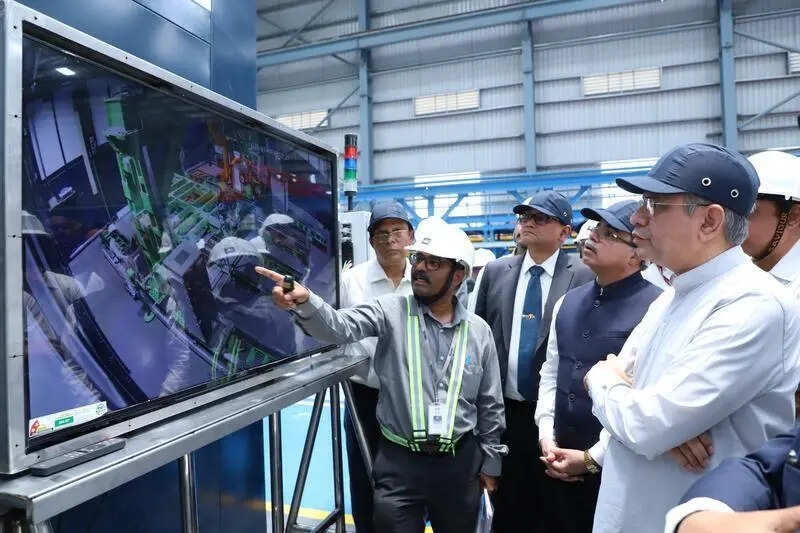
The Indian government has fast-tracked the development of a high-speed train that can go much faster than the current Vande Bharat models. Engineers at the Integral Coach Factory in Chennai are leading the work on this project. They are using the existing Vande Bharat platform as a base but making significant changes to the motor, braking system, and body shape to handle higher speeds. This new train is designed to reach speeds that were previously only possible with technology from countries like Japan or France.
The project is part of a larger plan to modernize the entire railway network. While India is already working with Japan on the Mumbai-Ahmedabad high-speed corridor, this local version will serve as a secondary option for other routes across the country. It ensures that India has its own backup plan and can expand its high-speed network faster without waiting for international deals.
Important Numbers and Facts
The new "Swadeshi" bullet train is designed to travel at speeds of over 250 kilometers per hour (kmph). This is a big jump from the current Vande Bharat trains, which usually top out at 160 to 180 kmph. The train will likely run on the 508-kilometer route between Mumbai and Ahmedabad, which is the first dedicated high-speed track being built in the country. Officials expect the first units to be ready for testing and public use by next year. The government has also identified several other routes, including Delhi-Varanasi and Mumbai-Nagpur, where these local bullet trains could eventually run.
Background and Context
For many years, India relied on older technology for its massive railway system. A few years ago, the introduction of the Vande Bharat trains changed things by offering modern comforts and better speeds. However, those trains are still considered "semi-high speed." To truly compete with global standards, India needed a "high-speed" train that could cross the 250 kmph mark.
Building a bullet train from scratch is difficult because it requires special tracks, advanced signaling, and very strong materials to handle the wind pressure at high speeds. By choosing to build its own version, India is following the path of countries like China, which started with foreign help but eventually built its own massive high-speed network. This project is a key part of the "Make in India" initiative, which encourages companies to build products within the country instead of buying them from overseas.
Public or Industry Reaction
The news has been met with a lot of excitement from the public and industry experts. Many people are happy that travel times between big cities will be cut in half. Business leaders believe that faster trains will help the economy by making it easier for people to move for work. Engineering experts have praised the decision to use the Vande Bharat design as a starting point, calling it a smart way to save time and money. Some critics, however, mention that the government must also focus on making sure the tracks are safe and that the tickets are not too expensive for the average person.
What This Means Going Forward
Looking ahead, the success of this local bullet train could lead to India exporting its rail technology to other countries. If the train performs well on Indian tracks, other nations looking for affordable high-speed rail might look to India as a supplier. The next few months will be focused on intense testing to make sure the train is safe at high speeds. The government will also need to finish building the special tracks required for these trains to run at their full potential. If everything goes according to plan, the way Indians travel will look very different by the end of the decade.
Final Take
The creation of a home-grown bullet train is a proud moment for the country. It proves that local talent can solve complex problems and build advanced technology. This project is not just about speed; it is about building a modern, fast, and self-reliant India. As the first trains hit the tracks next year, they will represent a new chapter in the history of Indian travel, making the country a serious player in the global high-speed rail market.
Frequently Asked Questions
How fast will the new Indian bullet train go?
The new indigenous bullet train is designed to reach speeds of over 250 kilometers per hour, which is much faster than any train currently running in India.
When will the train start running for the public?
The government expects the train to be ready for operation by next year, following a series of safety tests and track preparations.
Which route will the first bullet train use?
The first high-speed trains are expected to run on the Mumbai-Ahmedabad corridor, which is currently being built specifically for high-speed travel.



