
Summary
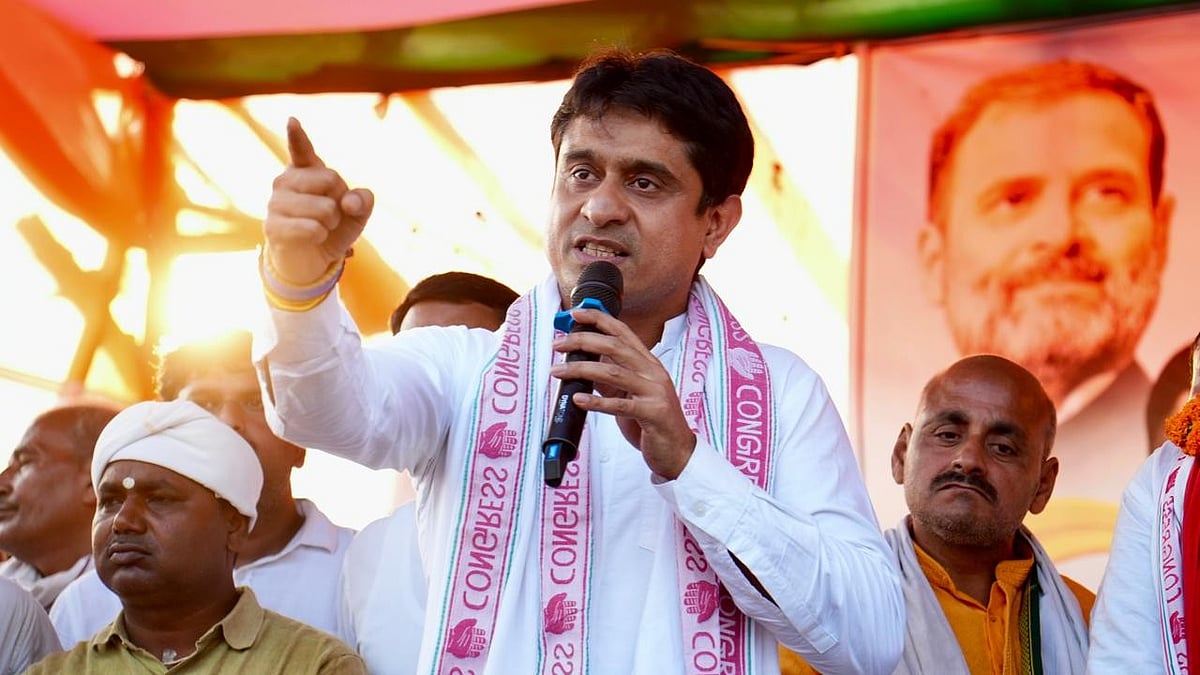
The Indian Youth Congress (IYC) is holding a major protest today in New Delhi to voice its opposition to a new trade agreement between India and the United States. Members of the organization are gathering for a "Sansad Gherao," which involves marching toward the Parliament building to show their disagreement with the government's policies. The group argues that the deal could harm India’s economy, specifically affecting local farmers and the textile industry. This demonstration follows weeks of rising tension and previous protests led by youth leaders against the trade deal.
Main Impact
This protest represents a growing challenge to the central government's economic strategy with the United States. By bringing workers from various states to the capital, the Youth Congress is trying to turn a technical trade agreement into a national public debate. The main concern is that the deal might favor foreign companies over Indian workers and small business owners. If the protest gains enough support, it could force the government to provide more details about the agreement or face continued political pressure from the opposition.
Key Details
What Happened
On Monday, March 16, 2026, the Indian Youth Congress organized a large-scale march starting from Jantar Mantar in New Delhi. Led by their national president, Uday Bhanu Chib, the workers planned to move toward Parliament to register their protest. The organization believes the India–US trade deal was signed without enough consideration for how it would change the lives of ordinary citizens. Leaders from the Delhi branch of the group helped coordinate the arrival of members from across the country to ensure a strong presence in the capital.
Important Numbers and Facts
The current movement is part of a series of actions taken by the IYC over the last month. On February 20, 2026, members staged a surprise protest during an AI Impact Summit, where they wore T-shirts featuring the images of the Indian Prime Minister and the US President. Following that event, Uday Bhanu Chib was detained and spent several days in Tihar Jail before being released on March 3. Today's protest is expected to be even larger, with thousands of workers arriving from multiple states to join the march.
Background and Context
Trade deals are agreements where two countries decide on the rules for buying and selling goods and services to each other. While these deals can help a country grow, they often cause worry for local industries that might face new competition. In this case, the Youth Congress is worried about three main areas: farming, textiles, and data security. They fear that the US might get better terms that allow cheaper American products to flood the Indian market, making it hard for Indian farmers and factory workers to compete. Additionally, there are concerns about how the personal data of Indian citizens might be handled under the new rules of the agreement.
Public or Industry Reaction
The reaction from the Youth Congress leadership has been firm. Akshay Lakra, the president of the Delhi Youth Congress, stated that the protest is a necessary step to protect the country's economic future. He mentioned that the group is exercising its democratic right to question the government. Other leaders, like Hevaran Kansana, noted that the high turnout of workers shows that many people are worried about their jobs and the safety of their data. While the government maintains that the deal will bring investment and new technology to India, the opposition remains skeptical about the long-term costs to the working class.
What This Means Going Forward
The "Sansad Gherao" is likely to keep the trade deal in the news for the coming weeks. As the government moves forward with its international policies, it will have to address the specific fears raised by the protesters regarding the textile and farming sectors. Security in New Delhi will likely remain high as the march progresses toward the high-security zone near Parliament. If the IYC continues its demonstrations, it could lead to more discussions in the media and among policy experts about whether the trade deal needs more safeguards to protect local interests.
Final Take
The protest by the Indian Youth Congress highlights a deep divide in how international trade deals are viewed in India. While the government sees a path toward global cooperation and growth, the opposition sees a risk to the livelihoods of millions of workers. This march serves as a reminder that economic policies made at the highest levels of government have real-world consequences that citizens are willing to fight for. The outcome of this protest will show how much influence public demonstrations still have on major foreign policy decisions.
Frequently Asked Questions
What is a 'Sansad Gherao' protest?
It is a type of demonstration where protesters gather to surround or march toward the Parliament building to show their disapproval of government actions and demand change.
Why is the Youth Congress against the India–US trade deal?
They believe the deal could hurt Indian farmers and the textile industry by allowing too much foreign competition. They are also worried about how the deal affects the security of Indian citizens' data.
Who is leading the protest in New Delhi?
The protest is being led by Uday Bhanu Chib, the national president of the Indian Youth Congress, along with other regional leaders like Akshay Lakra from the Delhi unit.

