Summary
India’s current political leaders often speak about the power and respect of women. However, a closer look at their history and actions suggests a different story. Critics argue that the ruling party’s core beliefs have historically viewed women as secondary members of society. This article examines the gap between modern political slogans and the long-standing ideas that continue to influence policy today.
Main Impact
The main issue is the disconnect between political talk and real-world results. While the government uses phrases like "Nari Shakti" (women power), the actual representation of women in their party remains low. This gap between words and actions affects how laws are made and how women’s safety is handled. When the people in power have a history of opposing gender equality, it becomes difficult for them to lead a movement for true change.
Key Details
What Happened
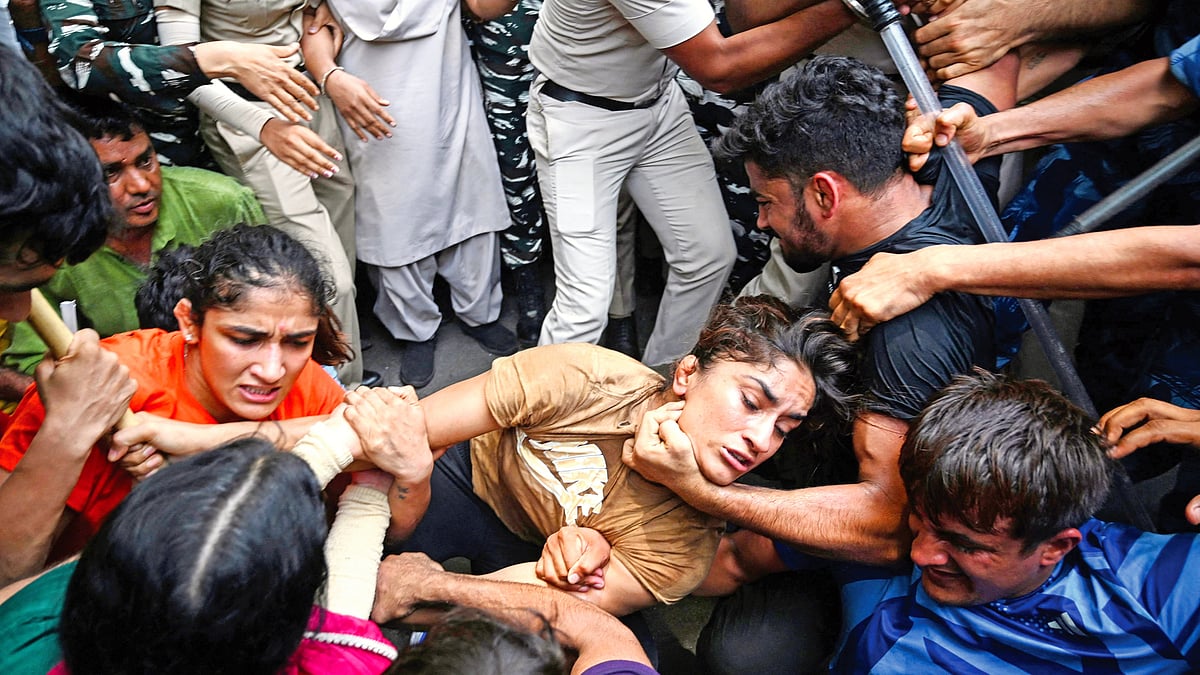
In recent years, the government has faced heavy criticism for its response to crimes against women. For example, when top female wrestlers protested against sexual harassment by a powerful party member, the government’s reaction was slow and dismissive. In other instances, individuals convicted of violent crimes against women were released and even celebrated by local supporters. These events have led many to believe that the safety of women is often ignored when it conflicts with political interests.
Important Numbers and Facts
The history of women’s rights in Indian politics shows two very different paths. The Indian National Congress began putting women in top leadership roles over a century ago. Annie Besant became the party president in 1917, followed by Sarojini Naidu in 1925. These milestones happened long before India gained independence. In contrast, the RSS, which provides the ideological base for the current ruling party, did not release any major statements on women’s rights or education during its first 25 years of existence. Even today, the ruling party has one of the lowest percentages of women representatives in Parliament compared to other major groups.
Background and Context
To understand why this matters, we must look at the documents and ideas that shaped these political groups. In 1928, the Nehru Report proposed that all Indian adults, regardless of their gender, should have the right to vote. The Karachi Resolution of 1931 further promised gender equality and freedom of profession. These were bold ideas at a time when many developed nations still did not allow women to vote.
On the other side, the ideological roots of the current government are tied to texts like the Manusmriti. This ancient text suggests that a woman should never be independent and must always be under the protection of a male relative. When the government tried to pass the Hindu Code Bill in the 1950s—which gave women the right to divorce and inherit property—groups linked to the current ruling party held large protests. They claimed that giving women equal rights would destroy the structure of Hindu culture.
Public or Industry Reaction
The public reaction to these issues is often divided. Many people feel that the government’s recent Women’s Reservation Bill is a positive step, but others see it as a hollow promise. The bill was passed but its start date was pushed far into the future. Critics say this is a way to get credit for helping women without actually giving them power right now. Additionally, the rise of online harassment against women has raised concerns. Many feel that the government’s ideology encourages a culture where women are targeted if they speak out against the majority view.
What This Means Going Forward
The future of women’s rights in India depends on more than just new laws. It requires a change in the basic thinking of those in power. If a political group still follows leaders who believe marriage is a simple contract where a woman must only look after the home, true equality will be hard to reach. The risk is that "women’s empowerment" will remain a slogan used to win elections rather than a goal to improve lives. For real progress, women must be seen as equal partners in every part of public life, from making laws to leading the country.
Final Take
True support for women cannot be built on a foundation of old, restrictive ideas. You cannot claim to be a champion for women while following a tradition that has spent decades fighting against their independence. For India to be a modern and fair nation, its leaders must embrace equality in both their words and their history. Only then can the promise of "women power" become a reality for everyone.
Frequently Asked Questions
Why is the ruling party’s history with women being criticized?
Critics point out that the party’s ideological founders often opposed laws that gave women equal rights, such as the right to inherit property or seek a divorce.
What was the RSS's stance on the Indian Constitution?
When the Constitution was first written, the RSS criticized it for not including rules from ancient texts like the Manusmriti, which placed many restrictions on women's freedom.
How does the Congress party's record on women differ?
The Congress party included women in high-ranking leadership positions as early as 1917 and pushed for universal voting rights for women long before India became an independent republic.