
Summary
Two Indian-flagged oil tankers recently faced a dangerous encounter with the Iranian Navy in the Strait of Hormuz. The vessels, named Bhagya Lakshmi and Sanmar Herald, were stopped while traveling through this critical water path. Reports indicate that one ship was forced to turn back immediately, while the other was fired upon by gunboats. This incident has raised serious concerns about the safety of merchant ships and the stability of international trade routes.
Main Impact
The primary impact of this event is an increase in tension within one of the world's most important shipping lanes. When naval forces interfere with commercial ships, it creates a sense of fear for sailors and shipping companies. This can lead to higher costs for shipping insurance and may cause delays in the delivery of oil and other goods. For India, this is a direct threat to its energy security, as the country relies heavily on ships passing through this region to bring in fuel.
Key Details
What Happened
The encounter took place in the narrow waters of the Strait of Hormuz. Iranian naval gunboats approached the two Indian tankers and blocked their path. The crew of the Bhagya Lakshmi received a stern warning over the radio, telling them to turn around and leave the area at once. The situation for the Sanmar Herald was even more intense. Despite having the necessary clearance to be in those waters, the ship was reportedly targeted with gunfire from the Iranian boats. Fortunately, no major injuries were reported, but the aggressive actions have caused a diplomatic stir.
Important Numbers and Facts
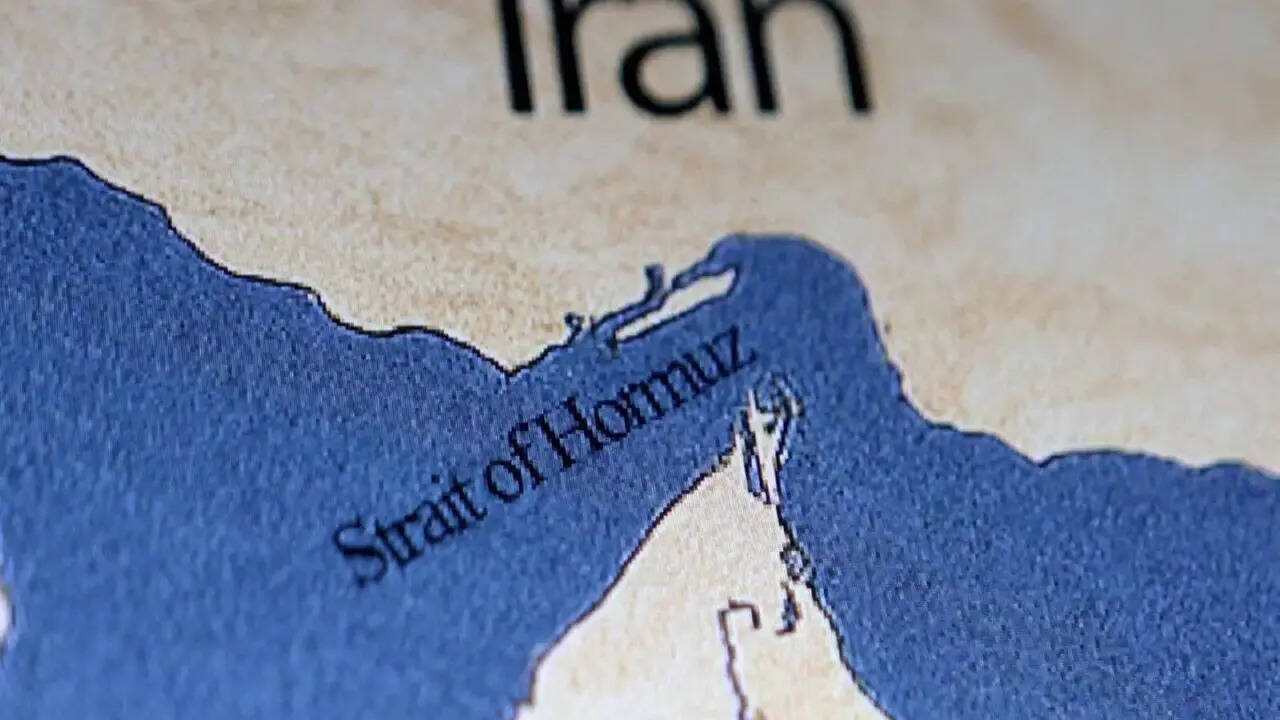
The incident involved two specific vessels: the Bhagya Lakshmi and the Sanmar Herald. Both ships fly the Indian flag, which means they are protected under Indian maritime laws. The Strait of Hormuz, where this happened, is a narrow stretch of water that connects the Persian Gulf with the Gulf of Oman. It is so narrow that at some points, the shipping lanes are only a few miles wide. This makes it very easy for naval forces to monitor and stop passing ships.
Background and Context
To understand why this matters, one must look at the geography of the region. The Strait of Hormuz is the most important oil transit point in the world. Millions of barrels of oil pass through it every single day. Because so much of the world's energy supply moves through this small area, any conflict can cause global oil prices to rise quickly. Iran controls the northern coast of the strait, and they have often used their navy to show strength in the region. In the past, there have been several instances where tankers from different countries were stopped or seized, usually during times of high political tension.
Public or Industry Reaction
The Indian government has taken this matter very seriously. Officials have reached out to their counterparts in Iran to demand an explanation and to ensure the safety of Indian crews. Within the shipping industry, there is a growing sense of worry. Captains and crew members are being told to stay extra alert when passing through the Middle East. Some industry experts suggest that if these incidents continue, more countries will have to send their own warships to protect their merchant vessels. This could lead to a larger military presence in the area, which some fear might make the situation even more unstable.
What This Means Going Forward
Moving forward, we can expect to see more security measures for Indian ships. The Indian Navy may restart or increase its patrols in the region, a move often called "Operation Sankalp." This involves warships staying close to tankers to prevent them from being harassed. Diplomatically, India and Iran will need to have clear talks to prevent such misunderstandings from happening again. If the waters remain unsafe, shipping companies might look for longer, more expensive routes to avoid the strait, which would eventually make everyday goods more expensive for consumers around the world.
Final Take
The safety of the seas is a basic requirement for global peace and a healthy economy. When merchant ships are targeted, it disrupts the flow of life-sustaining resources like food and fuel. This incident serves as a reminder that the world's most important trade routes are often the most fragile. Protecting these paths requires both strong diplomacy and a constant eye on maritime security to ensure that sailors can do their jobs without fear of attack.
Frequently Asked Questions
Which Indian ships were involved in the incident?
The two ships involved were the Bhagya Lakshmi and the Sanmar Herald. Both are tankers flying the Indian flag.
Where exactly did this happen?
The event took place in the Strait of Hormuz, a narrow and vital waterway located between Iran and Oman.
Was anyone hurt during the encounter?
There were no reports of injuries to the crew members, although one ship reported being fired upon by Iranian gunboats.



