
Summary
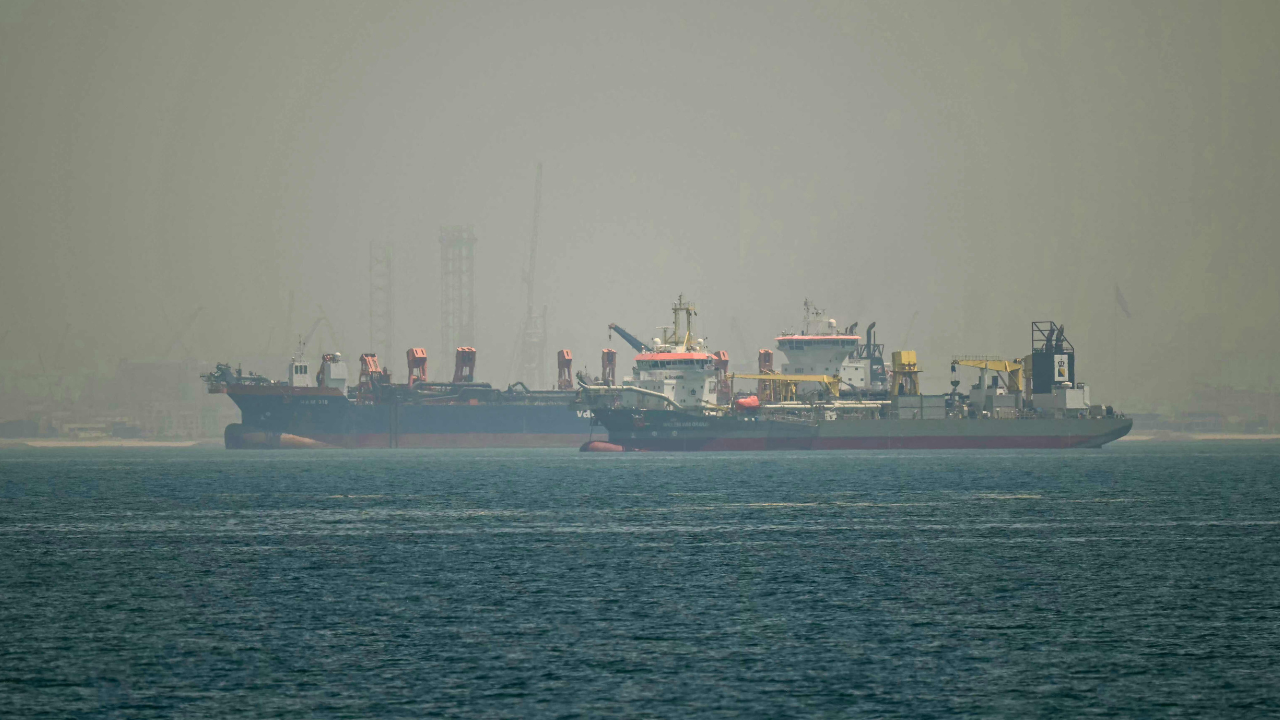
Indian-flagged ships traveling through the Persian Gulf have been told to stop moving and wait for specific safety instructions. This directive comes as regional tensions make the waters more dangerous for commercial shipping. The goal is to ensure that every vessel, its crew, and its cargo remain safe from potential threats or accidental involvement in local conflicts. By following these strict rules, the Indian government hopes to prevent any maritime emergencies in this vital trade route.
Main Impact
The most immediate impact of this decision is a change in how Indian ships operate in the Middle East. Instead of moving freely based on their own schedules, captains must now wait for a "green light" from maritime authorities. This change leads to delays in shipping times and could affect the delivery of important goods. However, it also provides a much-needed layer of security for the thousands of Indian sailors who work on these vessels. The move shows that the Indian government is taking a proactive role in protecting its maritime interests during a period of high risk.
Key Details
What Happened
Maritime regulators and the Indian government have issued a formal advisory to all ships flying the Indian flag. These ships are currently positioned in or near the Persian Gulf and the Strait of Hormuz. They have been instructed to stay in safe zones and only start their transit when they receive a direct order. This is a response to the growing number of security incidents in the region, including ship seizures and drone activity. The Indian Navy is closely monitoring the situation to provide support if needed.
Important Numbers and Facts
The Persian Gulf is one of the most important waterways in the world. Nearly 20% of the global oil supply passes through the narrow Strait of Hormuz. For India, this route is even more critical, as a large portion of the country's energy imports comes from this region. There are currently dozens of Indian-flagged tankers and cargo ships that must follow these new safety protocols. Additionally, India provides a significant percentage of the world's seafarers, making the safety of these crews a top national priority.
Background and Context
The Persian Gulf has long been a sensitive area due to political disagreements between various countries in the Middle East. Recently, these tensions have increased, leading to fears that commercial ships could be targeted or caught in the middle of a conflict. In the past, the Indian Navy launched "Operation Sankalp" to protect Indian ships in this area. This operation involves naval ships patrolling the waters and staying in constant contact with merchant vessels. The current order to wait for transit directions is an extension of these long-standing efforts to keep the sea lanes open and safe for Indian trade.
Public or Industry Reaction
The shipping industry has reacted with a mix of caution and support. Ship owners understand that safety is the most important factor, but they are also worried about the rising costs. When ships are forced to wait, it costs money in fuel, wages, and port fees. Furthermore, insurance companies often raise their prices for ships traveling through what they call "High Risk Areas." Despite these financial concerns, most industry leaders agree that following government safety directions is the best way to avoid a major disaster. Families of the sailors have also expressed relief that the government is taking steps to protect their loved ones at sea.
What This Means Going Forward
In the coming weeks, we can expect to see more coordinated movements of Indian ships. The Indian Navy may begin escorting groups of ships in convoys to ensure they pass through the most dangerous areas safely. This situation will likely continue until the political environment in the region becomes more stable. For consumers, these delays and higher insurance costs could eventually lead to a slight increase in the price of oil and other imported goods. The government will continue to review the safety situation daily and will update the transit rules as the level of risk changes.
Final Take
Safety at sea is currently more important than speed or profit. By requiring Indian-flagged vessels to wait for specific transit orders, the authorities are choosing a path of caution in a very unpredictable part of the world. This strategy protects lives and ensures that India's energy supply remains secure, even if it means some ships arrive later than planned. It is a necessary step to navigate the current challenges of global maritime trade.
Frequently Asked Questions
Why are Indian ships being told to wait in the Persian Gulf?
They are being told to wait because of increased security risks in the region. Waiting for specific directions ensures that they only move when it is considered safe by maritime authorities.
Does this affect all ships in the area?
This specific advisory is for Indian-flagged vessels. However, many other countries have issued similar warnings to their own ships due to the general danger in the Persian Gulf and the Strait of Hormuz.
Will this cause oil prices to go up?
It is possible. Delays in shipping and higher insurance costs for tankers can sometimes lead to a small increase in the price of oil and fuel at the pump.



