
Summary
A commercial ship from India successfully traveled through a dangerous water passage despite coming under fire from Iranian gunboats. This event marks the tenth time an Indian vessel has navigated these risky waters under similar threats in recent weeks. While no injuries or major damages were reported, the incident highlights the growing dangers for merchant ships in the Middle East. The Indian government and naval forces are closely watching the situation to ensure the safety of trade routes.
Main Impact
The primary impact of this event is the increased risk to global trade and energy supplies. The Strait of Hormuz is a vital path for oil and goods, and any disruption there can cause prices to rise worldwide. For India, which relies heavily on this route for its energy needs, the safety of its ships is a matter of national security. This latest encounter shows that even ships from countries that try to stay neutral are being targeted or harassed, making the sea a much more dangerous place for sailors.
Key Details
What Happened
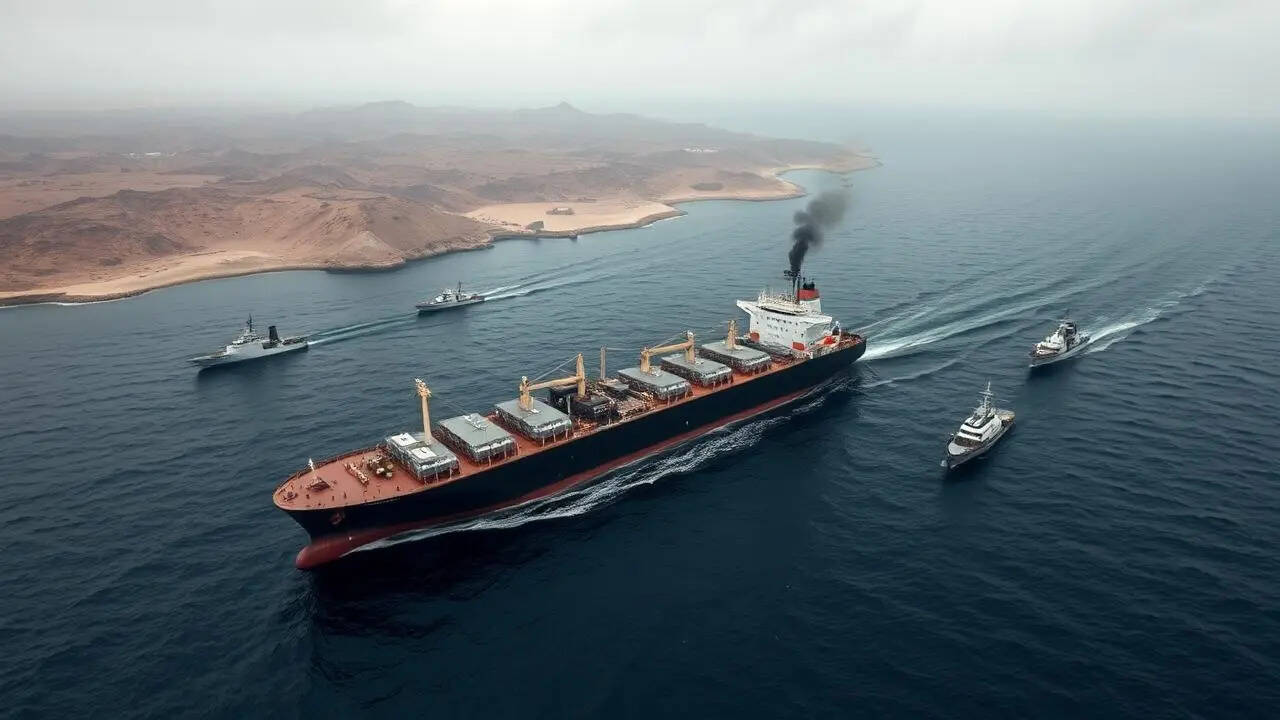
The incident took place as the Indian-flagged merchant ship was entering the narrowest part of the strait. According to reports, several fast-moving gunboats belonging to Iranian forces approached the ship. The gunboats began firing shots into the water near the vessel. These are often called "warning shots," intended to scare the crew or force the ship to change its path. Despite the noise and the threat of violence, the captain of the Indian ship decided to maintain speed and direction. The Iranian boats eventually pulled away, allowing the ship to reach safer waters.
Important Numbers and Facts
This is the 10th Indian ship to face such a challenge in a short period. The Strait of Hormuz is only about 21 miles wide at its narrowest point, making it very easy for small, fast boats to intercept large tankers. About 20% of the world's total oil supply passes through this area every single day. In response to these threats, the Indian Navy has been positioned nearby to monitor the movement of all Indian-owned vessels. No sailors were hurt during this specific encounter, and the cargo remained secure.
Background and Context
The waters near Iran have been a flashpoint for many years. Tensions between Iran and other global powers often lead to these types of maritime confrontations. Iran sometimes uses its naval strength to show its control over the region or to respond to international pressure and sanctions. India finds itself in a difficult position because it maintains a friendly relationship with Iran but also needs to protect its commercial interests. The Indian Navy started a special mission called Operation Sankalp a few years ago specifically to protect Indian ships in this region. This mission involves using warships and planes to watch over the area and provide help if a merchant ship is harassed.
Public or Industry Reaction
Shipping companies are becoming very worried about the safety of their crews. Many industry experts say that if these incidents continue, the cost of shipping goods will go up. This is because insurance companies charge much higher fees to cover ships traveling through "war zones" or high-risk areas. Some shipping groups have asked for more international protection, suggesting that navies from different countries should work together more closely. In India, there is a call for the government to take a stronger stand to ensure that Indian sailors are not put in harm's way while simply doing their jobs.
What This Means Going Forward
Looking ahead, we can expect to see more naval escorts for commercial ships. If the firing continues, the Indian Navy might have to take a more active role in guarding every single ship that passes through the strait. There is also a risk that a small mistake could lead to a bigger fight. If a warning shot accidentally hits a ship or hurts a crew member, it could spark a much larger conflict between nations. For now, captains are being told to stay alert and keep in constant contact with naval authorities. The global community will likely keep pushing for a diplomatic solution to lower the heat in the region.
Final Take
The successful passage of the 10th Indian ship is a sign of the bravery of merchant sailors, but it is also a warning. The freedom to move goods across the ocean is essential for the world economy to work. When gunboats start firing near peaceful trade ships, it threatens everyone. Staying safe in these waters will require a mix of strong naval presence and careful talk between governments to prevent the situation from getting worse.
Frequently Asked Questions
Why are Iranian gunboats firing at Indian ships?
The gunboats often fire warning shots to show control over the water or to intimidate foreign vessels. It is usually related to wider political tensions in the region rather than a specific problem with India.
Is the Strait of Hormuz closed to traffic?
No, the strait remains open, but it is considered a high-risk area. Ships continue to pass through because it is the most direct route for oil and gas coming from the Middle East.
What is India doing to protect its ships?
India uses its Navy to monitor the area through Operation Sankalp. Warships are often stationed nearby to provide communication and physical protection to Indian merchant vessels if they are threatened.



