
Summary
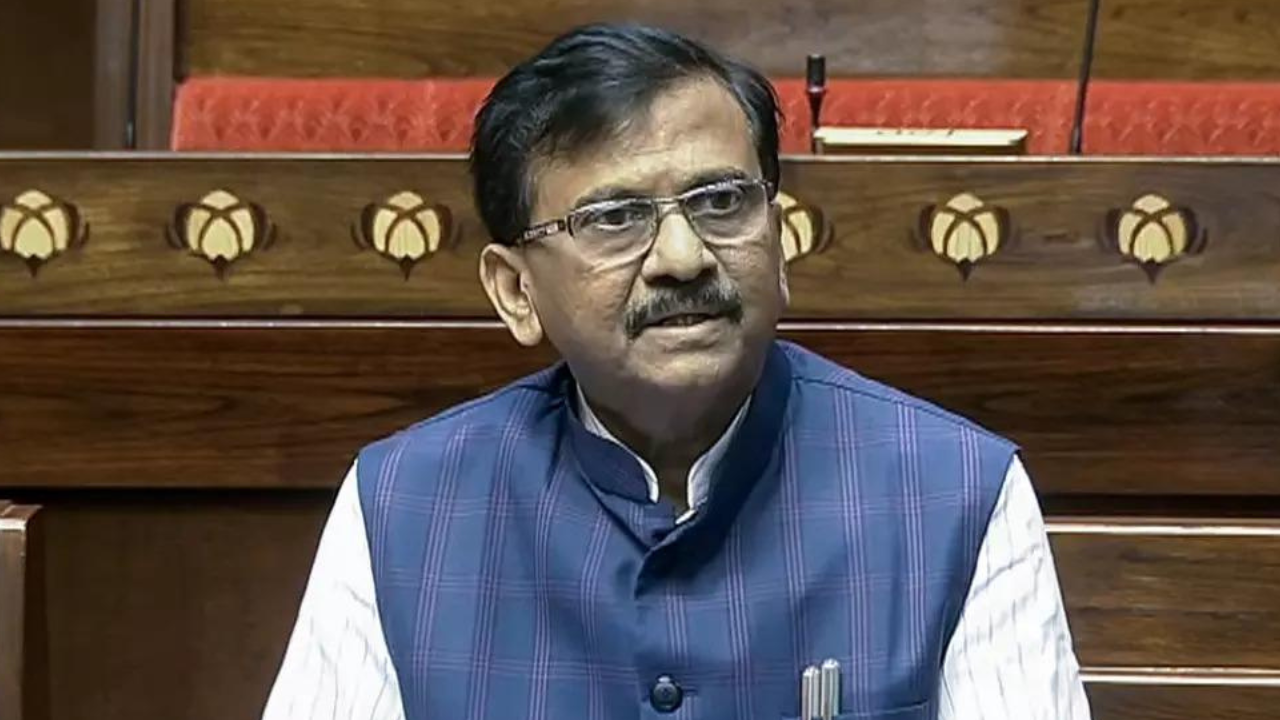
Opposition leaders in India have launched a sharp verbal attack on Prime Minister Narendra Modi regarding the country's current economic state. Sanjay Raut of the Shiv Sena (UBT) and Rahul Gandhi of the Congress party expressed deep concern over the Indian rupee hitting new lows against the US dollar. They argue that the weakening currency is a sign of poor management and will soon lead to a painful increase in the cost of living for ordinary citizens. The opposition claims the government is focusing more on winning elections than fixing the nation's financial problems.
Main Impact
The primary concern raised by these political leaders is the direct link between a falling currency and rising inflation. When the rupee loses value against the dollar, it becomes more expensive for India to buy goods from abroad. Since India relies heavily on imported oil and electronic components, these costs are passed down to the public. This shift threatens to increase the price of fuel, groceries, and transport, putting a heavy burden on middle-class and low-income families who are already struggling with high prices.
Key Details
What Happened
Sanjay Raut made headlines by using a well-known phrase previously used by the Prime Minister himself. He suggested that it is time for the PM to "pick up his bag and leave," referring to a past speech where Modi called himself a simple man who could walk away from power at any time. Raut argued that the government has failed to protect the value of the national currency, which he views as a symbol of the country's strength. Rahul Gandhi joined this criticism, stating that the government offers only slogans while the economy suffers.
Important Numbers and Facts
The Indian rupee has seen a steady decline, reaching record lows against the US dollar in recent trading sessions. While global factors often influence currency rates, the opposition points to internal policy failures as the main cause. They highlight that a weaker rupee makes India’s trade deficit wider, meaning the country spends far more on imports than it earns from exports. This gap creates a cycle of debt and further weakens the economy over time.
Background and Context
To understand why this matters, one must look at how international trade works. Most global trade is done in US dollars. If one dollar costs 70 rupees one year and 83 rupees the next, India must pay much more for the same amount of goods. This is especially critical for crude oil. India imports about 80% of its oil needs. When oil becomes expensive due to a weak rupee, petrol and diesel prices at the pump go up. This increases the cost of moving goods by truck, which eventually makes vegetables and grains more expensive in local markets.
Public or Industry Reaction
The reaction from the opposition has been one of high pressure. They are using the economic data to challenge the government’s narrative of a "strong India." Business experts have mixed views; some say the fall is due to global market trends, while others agree that more needs to be done to boost local manufacturing and reduce the need for imports. On social media, many citizens have expressed worry about their savings and the rising cost of daily essentials, echoing the sentiments shared by Raut and Gandhi.
What This Means Going Forward
Looking ahead, the government faces a difficult choice. The Reserve Bank of India may need to use its foreign exchange reserves to support the rupee, but this is only a short-term fix. If the currency continues to slide, the government might be forced to raise interest rates. While higher interest rates can help stabilize the currency, they also make home loans and business loans more expensive. This could slow down the country's overall growth. The political heat will likely increase as the opposition plans to make inflation a central theme in upcoming local and national discussions.
Final Take
The exchange of words between the opposition and the ruling party highlights a growing anxiety over India's financial future. While political rhetoric is common, the underlying issue of a weakening rupee is a factual challenge that affects every household. Whether the government can stabilize the currency or if the opposition's warnings of high inflation come true will depend on the economic policies implemented in the coming months. For now, the focus remains on how the leadership will respond to these direct calls for accountability.
Frequently Asked Questions
Why is the Indian rupee falling against the dollar?
The rupee falls when there is a high demand for US dollars or when investors move their money to safer markets. Factors like high oil prices and global economic uncertainty also play a major role in weakening the currency.
How does a weak rupee affect the average person?
A weak rupee usually leads to higher prices for petrol, diesel, and imported goods like smartphones and laptops. It also makes traveling abroad or studying in foreign countries much more expensive for Indian families.
What did Sanjay Raut mean by his "jhola" comment?
He was using a famous line from Prime Minister Modi's past speeches to suggest that the PM has failed to manage the economy and should consider stepping down from his position.



