
Summary
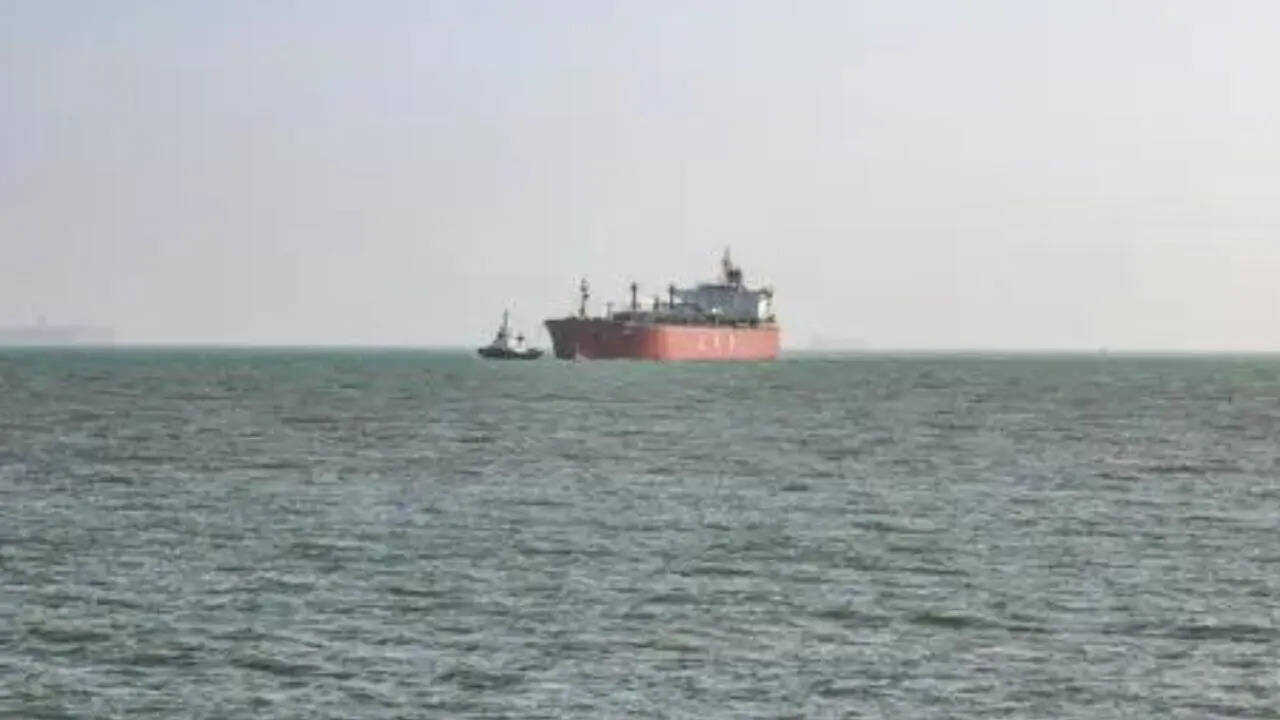
An Indian oil tanker named Desh Garima has successfully traveled through the Strait of Hormuz. This passage happened during a time of high tension in the region, as Iran has reportedly restricted access for United States vessels. The safe movement of this ship is a positive sign for India’s energy security. To help the shipping industry, the Indian government has also set up a special insurance fund to cover the rising costs and risks of moving goods through dangerous waters.
Main Impact
The successful journey of the Desh Garima shows that India is still able to move vital oil supplies despite global conflicts. The Strait of Hormuz is one of the most important water passages in the world for oil trade. When tensions rise in this area, oil prices often go up, and shipping becomes much more expensive. By keeping its tankers moving, India is working to prevent fuel shortages and keep the economy stable. The government's decision to provide financial backing through an insurance pool also gives shipping companies the confidence they need to continue their operations.
Key Details
What Happened
The Desh Garima, a large oil tanker, sailed through the narrow Strait of Hormuz without any major problems. This area is located between the Persian Gulf and the Gulf of Oman. It is a very tight space where many ships must pass every day. Recently, Iran has been more active in monitoring and controlling who enters these waters. Reports suggest that while Iran has blocked or threatened ships from the United States, vessels from other countries like India are still being allowed to pass. This shows the importance of diplomatic relations in keeping trade routes open.
Important Numbers and Facts
The Strait of Hormuz is a critical chokepoint for the global economy. About 20 percent of the world's total oil supply passes through this narrow strip of water every single day. For India, the route is even more important because the country gets a large portion of its crude oil from Middle Eastern nations. To protect these shipments, the Indian government has created a large insurance pool. This fund is designed to help ship owners who cannot get regular insurance because of the high risk of war or conflict in the region. Without this support, many companies would stop sending their ships into the area because the financial risk would be too high.
Background and Context
The Middle East has seen a lot of military and political tension lately. These problems often spill over into the sea, where ships carrying oil and goods become targets or get caught in the middle of disputes. The United States and Iran have had a difficult relationship for a long time, and recent events have led to more naval activity in the region. When Iran threatens to close the Strait, it creates fear in the global market. India tries to maintain a neutral position to ensure that its trade is not interrupted. Since India imports more than 80 percent of the oil it uses, any delay in the Strait of Hormuz could lead to higher prices for petrol and diesel at home.
Public or Industry Reaction
People in the shipping industry have welcomed the news of the tanker’s safe passage. Many experts were worried that the route might become completely blocked for all international trade. Shipping companies are also relieved about the new insurance pool. Normally, when a region becomes a "war zone," private insurance companies either stop providing coverage or charge extremely high fees. The Indian government’s move to step in and provide a safety net helps keep shipping costs down. This is seen as a smart move to protect the country from the economic shocks that usually come with global conflicts.
What This Means Going Forward
Moving forward, India will likely continue to monitor the situation in the Strait of Hormuz very closely. The government may need to send more naval ships to escort tankers if the situation gets worse. There is also a possibility that the insurance pool will need more money if the conflict lasts for a long time. For now, the focus is on keeping the oil flowing. If India can continue to navigate these waters safely, it will show that the country can manage its energy needs even when global politics are messy. Other countries might also look at how India is handling the situation to see if they can use similar strategies to protect their own trade routes.
Final Take
The safe passage of the Desh Garima is more than just a single ship reaching its destination. It is a sign that India is taking strong steps to protect its economy from outside troubles. By using both careful sailing and financial support for shippers, the country is making sure that its energy supply remains steady. While the situation in the Middle East remains uncertain, India’s proactive approach is helping to reduce the impact of these global tensions on everyday people.
Frequently Asked Questions
Why is the Strait of Hormuz so important?
It is a narrow water passage that connects oil-producing countries in the Middle East to the rest of the world. Nearly one-fifth of the world's oil travels through this route, making it vital for global energy prices.
What is an insurance pool for ships?
It is a special fund set up by the government or a group of companies to provide insurance for ships traveling in dangerous areas. It covers risks like war or damage that regular insurance companies might refuse to cover.
Is the Strait of Hormuz closed to everyone?
No, it is not closed to everyone. While there are reports of Iran restricting access for ships from the United States, many other countries, including India, are still moving their vessels through the area.



