
Summary
The Indian Navy has officially designated the Strait of Hormuz as a primary area of interest. This narrow waterway is one of the most important trade routes in the world, especially for the movement of oil and gas. By labeling it a key "choke point," the Navy is signaling that it will focus more resources and attention on this region to ensure trade remains safe. This decision highlights India's growing role in protecting international waters and securing its own energy needs.
Main Impact
The main impact of this decision is a shift in how India manages its naval power. By calling the Strait of Hormuz a primary area of interest, the Indian Navy will likely increase its presence in the region. This means more warships, surveillance planes, and drones will be used to monitor the area. For the global community, this move shows that India is ready to act as a security provider in the Indian Ocean and nearby seas. For Indian citizens, it means a more secure supply of fuel, as any blockage in this strait could lead to a massive spike in petrol and diesel prices at home.
Key Details
What Happened
The Indian Navy recently updated its list of strategic priorities. In this update, the Strait of Hormuz was moved to the top of the list. A "choke point" is a narrow passage that can be easily blocked or controlled. Because so much of the world's trade passes through these small areas, they are vital for the global economy. The Navy's focus on this specific spot comes at a time when there are many tensions in the Middle East, making the safety of merchant ships a major concern.
Important Numbers and Facts
The Strait of Hormuz is a very small body of water, but its importance is huge. At its narrowest point, the shipping lanes are only about two miles wide. Despite its small size, roughly 20% of the world's total oil supply passes through it every single day. For India, the numbers are even more significant. India imports more than 80% of its crude oil, and a large portion of that comes from countries in the Persian Gulf. If this strait were to close even for a few days, it would cause an immediate energy crisis in many parts of the world.
Background and Context
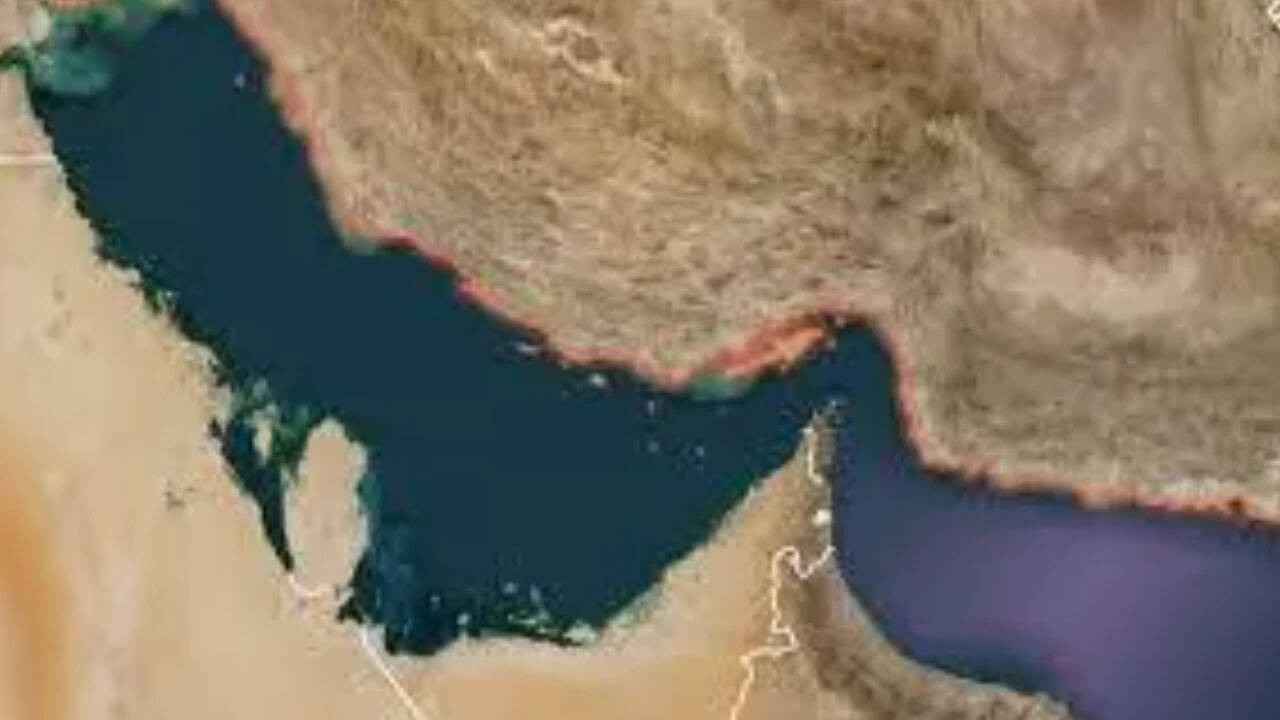
To understand why this matters, we have to look at the geography of the region. The Strait of Hormuz connects the Persian Gulf with the Gulf of Oman and the Arabian Sea. It is the only way for big oil tankers to get out of the Gulf from countries like Iraq, Kuwait, Saudi Arabia, and the United Arab Emirates. In simple terms, it is like a single door that everyone must use to leave a building. If that door is locked, everyone inside is stuck, and those outside cannot get what they need.
In recent years, there have been several incidents in these waters. Ships have been attacked by drones, and some have been stopped or seized by regional powers. These events have made the shipping industry very nervous. India has responded by sending its own warships to escort Indian-flagged vessels, a mission known as Operation Sankalp. This new official status for the strait is a continuation of those efforts.
Public or Industry Reaction
Experts in maritime security have welcomed this move. They believe it shows that India is becoming more proactive rather than just reacting to problems after they happen. Shipping companies are also likely to feel more confident knowing that a major naval power is keeping a close watch on these dangerous waters. However, some regional observers note that increased naval activity from many different countries could also lead to more tension if not managed carefully. Overall, the reaction is that India is taking its responsibility as a major regional power seriously.
What This Means Going Forward
Going forward, we can expect the Indian Navy to work more closely with other international navies. There will likely be more joint exercises and better sharing of information about ship movements. The Navy will also use more advanced technology, such as satellite tracking and long-range patrol aircraft, to keep an eye on the strait from a distance. The goal is to create a "maritime domain awareness" where the Navy knows exactly who is in the water and what they are doing at all times. This will help prevent piracy and other threats before they can cause damage to trade.
Final Take
India's decision to name the Strait of Hormuz as a primary area of interest is a bold step in its maritime strategy. It shows that the country is no longer just looking at its own coastline but is watching the wider seas that feed its economy. By protecting these vital choke points, the Indian Navy is ensuring that the flow of energy and goods remains steady, which is essential for the country's growth and stability in an uncertain world.
Frequently Asked Questions
What is a maritime choke point?
A maritime choke point is a narrow part of the sea, like a strait or a canal, where a lot of ships have to pass through. Because they are narrow, they are easy to block, which can stop global trade.
Why is the Strait of Hormuz so important to India?
It is important because India gets a huge amount of its oil and gas from the Persian Gulf. Most of those energy supplies must travel through the Strait of Hormuz to reach Indian ports.
Does this mean India is going to war?
No, it does not mean war. It means the Indian Navy will spend more time patrolling the area to make sure merchant ships are safe from pirates, drones, or other attacks that could disrupt trade.



