
Summary
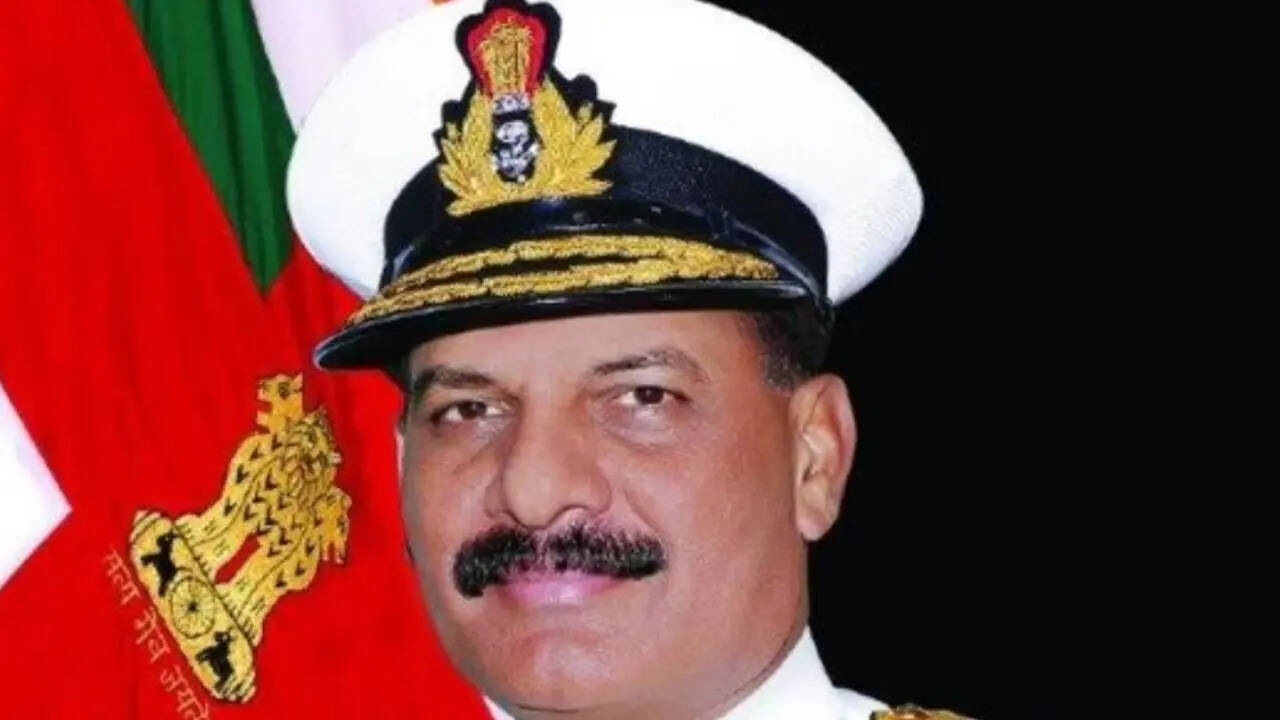
Indian Navy Chief Admiral Dinesh K Tripathi recently shared a powerful story about a past military mission known as Operation Sindoor. He revealed that the Indian Navy was only a few minutes away from launching a major attack on Pakistan from the sea. This high-stakes moment happened after a serious terror attack in Pahalgam. The mission was stopped only after Pakistan reached out to ask for a halt to the military action. This event shows how close the two nations came to a much larger conflict and highlights the strength of India's naval forces.
Main Impact
The revelation of these details shows the true power of the Indian Navy in protecting the country. By moving its ships and weapons so close to the enemy, the Navy was able to create a situation where the other side had to reconsider its actions. This is often called "sea power," where the mere presence of a strong fleet can change the outcome of a political or military standoff. The impact of this operation was immediate, as it forced a diplomatic response to avoid a full-scale war at sea. It also proved that India was willing and ready to use its maritime strength to answer acts of terrorism on land.
Key Details
What Happened
Operation Sindoor was put into action following a deadly terror attack in Pahalgam. The Indian government decided that a strong message needed to be sent to those responsible for the violence. While much of the focus during such times is often on the land borders, the Indian Navy took a very active role. Admiral Tripathi explained that the fleet moved into a position where they were ready to strike. The ships were prepared, the targets were locked, and the crews were waiting for the final word to fire. According to the Navy Chief, the strike was just minutes away from starting when the situation changed because of a request from Pakistan to stop the military pressure.
Important Numbers and Facts
During this operation, the Indian military identified nine major terrorist camps that were used as bases for planning and carrying out attacks. The Navy's plan was to use its long-range weapons to hit these locations with high precision. The speed at which the Navy moved its ships was a key part of the mission's success. By showing that they could arrive quickly and stay in a fighting position for a long time, the Navy proved it could control the waters near the enemy's coast. This aggressive stance was a major factor in the decision-making process for both countries during the crisis.
Background and Context
To understand why this matters, it is important to look at the history of tension between India and Pakistan. For many years, terror attacks have caused great pain and anger in India. The attack in Pahalgam was a significant event that led to a massive military buildup. When such attacks happen, the Indian government looks at all ways to respond, including land, air, and sea. Using the Navy is a special kind of strategy. It allows India to put pressure on the enemy's trade routes and ports without necessarily crossing a land border immediately. Operation Sindoor was a part of this larger effort to show that India would no longer tolerate cross-border terrorism and was ready to use every tool at its disposal to stop it.
Public or Industry Reaction
Military experts and historians have reacted to this news with great interest. Many believe that sharing these details now helps the public understand the "silent" work that the Navy does. While the Army and Air Force are often in the news, the Navy operates far away from the shore, and its work is not always visible. Experts say that this revelation confirms that India has a very capable "blue-water" navy, which means a fleet that can operate far away from its own home ports. The reaction from the defense community suggests that this story will be studied for years as an example of how naval pressure can lead to diplomatic results.
What This Means Going Forward
Moving forward, this story serves as a reminder of the constant readiness of the Indian armed forces. It shows that the Navy is not just for patrolling the coast or stopping pirates, but is a major part of India's national security strategy. As technology improves, the Navy is getting even better weapons and faster ships. This means that in any future conflict, the maritime branch will likely play an even bigger role. The government continues to invest in new submarines and aircraft carriers to make sure that the Navy can always protect India's interests. The lesson from Operation Sindoor is that being ready to fight is often the best way to prevent a war from starting.
Final Take
The details shared by Admiral Tripathi provide a rare look into the high-pressure world of military operations. It shows that the Indian Navy is a silent but very powerful force that stands ready to act at a moment's notice. By being just minutes away from a strike, the Navy proved its discipline and its ability to follow through on the nation's security goals. This history helps build confidence in India's ability to handle future threats with strength and precision.
Frequently Asked Questions
What was Operation Sindoor?
Operation Sindoor was a military mission launched by the Indian Navy following a terror attack in Pahalgam. It involved moving the naval fleet into a strike position to pressure the enemy and target terrorist bases.
Why did the Navy not launch the strike?
According to Navy Chief Admiral Dinesh K Tripathi, the strike was halted because Pakistan requested a stop to the military actions just minutes before the attack was set to begin.
How many targets were identified during the operation?
The Indian military identified nine major terrorist camps that were marked for precision strikes during the operation.



