
Summary
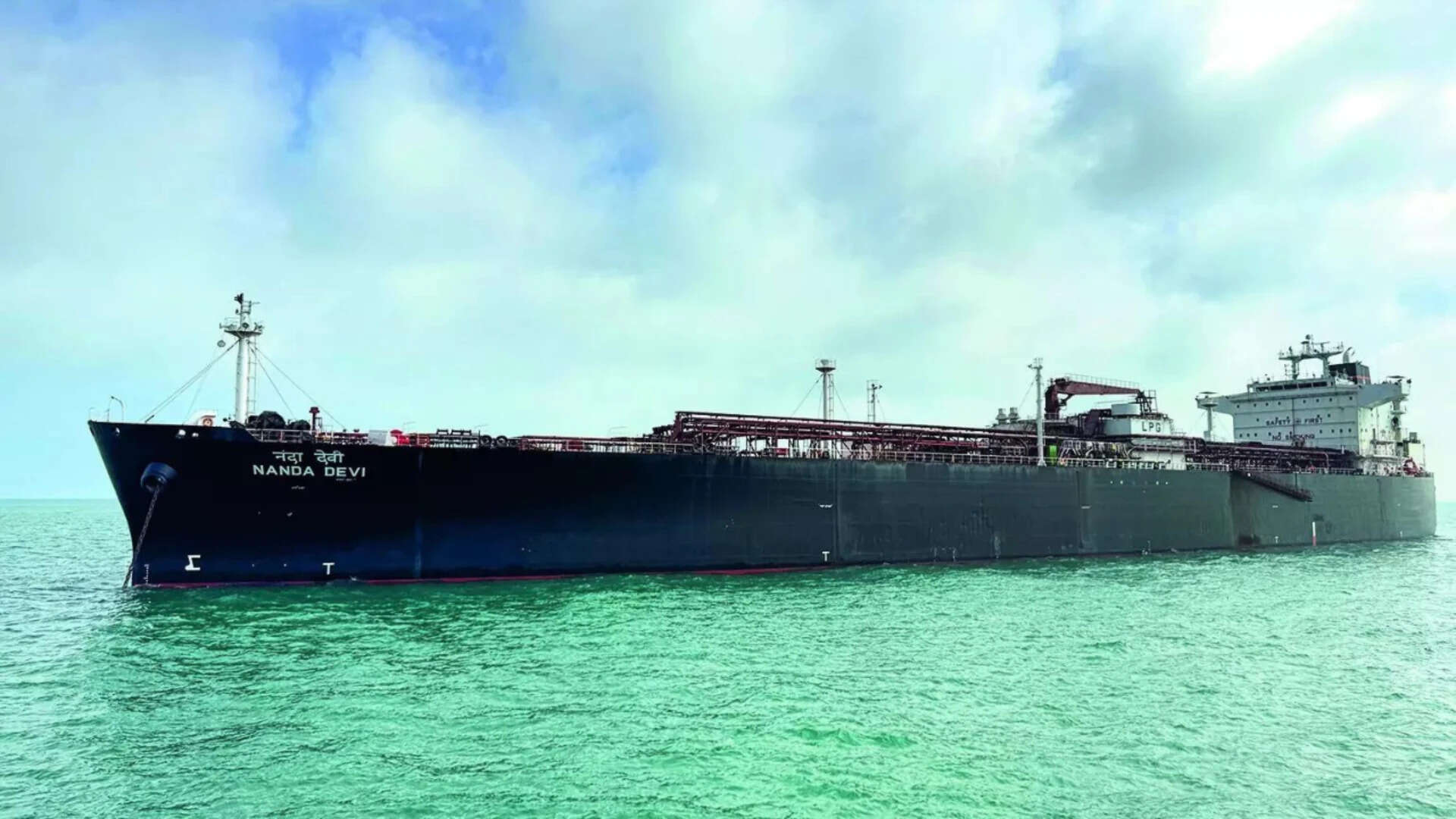
Six Indian ships carrying a massive load of Liquefied Petroleum Gas (LPG) are currently stuck in the Strait of Hormuz. These vessels are holding about 3 lakh tonnes of cooking gas, which is a vital fuel for millions of homes in India. The situation is being closely watched by authorities because any delay in this region can affect the supply of energy. This blockage highlights the risks involved in moving fuel through narrow and busy sea routes.
Main Impact
The primary impact of this delay is the potential threat to India’s cooking gas supply. Since LPG is used by a huge number of households for daily meals, a shortage could lead to problems in the local market. If these ships remain stranded for a long time, the government and oil companies may have to look for other ways to fill the gap. This event also puts pressure on energy prices, as uncertainty in shipping often leads to higher costs for consumers.
Key Details
What Happened
The six ships were traveling through the Strait of Hormuz, a narrow waterway that connects the Persian Gulf with the rest of the world. For reasons related to regional safety and traffic, these ships have been unable to move forward. Indian authorities are now tracking the movement of these vessels to ensure the safety of the crew and the cargo. The Strait is a very sensitive area where many countries move their oil and gas, making it a crowded and sometimes difficult path to navigate.
Important Numbers and Facts
The scale of this situation is quite large. There are six specific ships involved in this delay. Together, they are carrying 3 lakh tonnes of LPG. To put that in perspective, one tonne of LPG can fill many small cylinders used in homes. This amount of fuel is enough to support a large part of the country's needs for several days. The ships are currently being monitored using satellite tracking and communication systems to provide real-time updates to the Indian government.
Background and Context
The Strait of Hormuz is one of the most important sea paths in the world. It is the main exit for energy exports from countries like Saudi Arabia, Iran, the UAE, and Qatar. India buys a large portion of its gas and oil from these Middle Eastern nations. Because India does not produce enough gas at home to meet its own needs, it must import fuel from across the sea. This makes the country very dependent on the safety and openness of international waterways. If a problem occurs in a place like the Strait of Hormuz, it quickly becomes a national concern for India.
Public or Industry Reaction
Industry experts are expressing concern about the timing of this delay. Oil marketing companies are looking at their current stocks to see how long they can last without the new supply. There is a general sense of caution among traders, as they worry that such delays could become more frequent if regional tensions increase. The government has not yet issued a public warning about gas shortages, but officials are working behind the scenes to resolve the issue. Shipping companies are also keeping a close eye on the safety of their sailors who are currently waiting on these ships.
What This Means Going Forward
In the short term, the focus is on getting these ships moving again safely. If the delay continues, India might have to buy gas from other parts of the world, which could be more expensive. In the long term, this situation shows why it is important for a country to have large storage tanks for fuel. By keeping more gas in reserve, India can protect itself from sudden problems at sea. There may also be more talk about finding different shipping routes or using pipelines, though these options are often very difficult and costly to build.
Final Take
This situation serves as a reminder of how connected the world is today. A small delay in a narrow sea path thousands of miles away can directly affect the kitchen of a family in India. Ensuring that these ships can pass through safely is not just about trade; it is about making sure people have the energy they need for their daily lives. Moving forward, the focus will remain on balancing energy needs with the realities of international shipping risks.
Frequently Asked Questions
What is LPG and why is it important?
LPG stands for Liquefied Petroleum Gas. It is the gas used in cylinders for cooking in most Indian homes. It is a clean and efficient fuel that is essential for daily life.
Why is the Strait of Hormuz so important for India?
The Strait of Hormuz is the main path for ships carrying oil and gas from the Middle East to India. Most of India's energy imports must pass through this narrow waterway.
Will this cause a shortage of cooking gas?
While there is a risk, authorities are monitoring the situation to prevent a shortage. If the ships are released soon, the impact on the public will likely be very small.



