
Summary
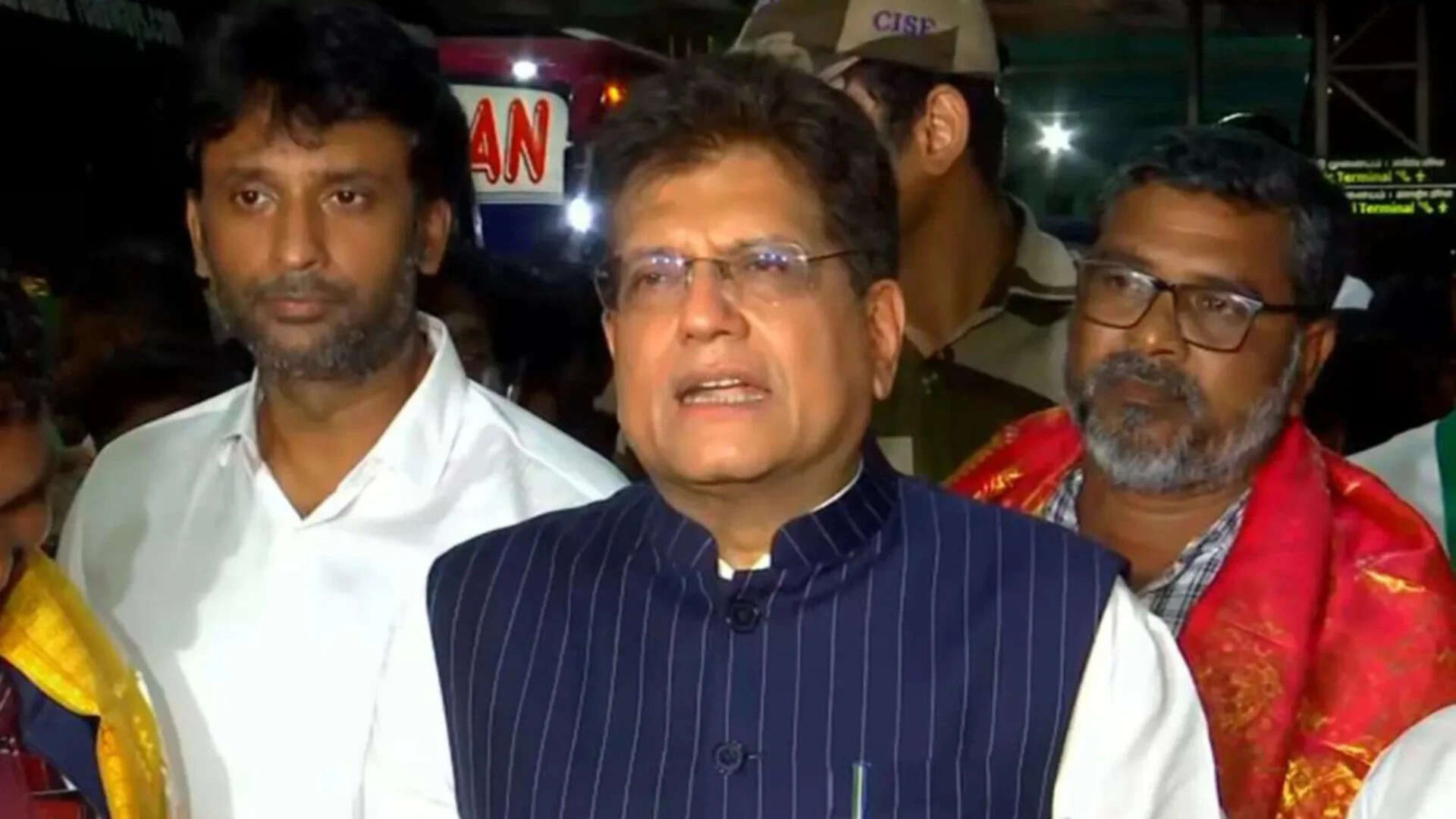
Union Minister Piyush Goyal recently visited Chennai Airport to welcome a second group of Indian fishermen who were brought back to the country. These fishermen had been stuck in Iran and were unable to return home on their own. Following orders from Prime Minister Narendra Modi, the Indian government organized a complex rescue mission to ensure their safe arrival. The operation involved moving the workers from Iran to Armenia before they finally boarded a flight to India.
Main Impact
The return of these fishermen marks a major success for India’s diplomatic teams. For the families of these workers, the arrival brings an end to months of worry and fear. Many of these men are the primary earners for their households, and their absence caused significant financial and emotional pain. By successfully bringing them home, the government has shown that it can protect its citizens even when they are in difficult situations far from home.
Key Details
What Happened
The fishermen were working in Iran when they found themselves stranded due to various local issues. To get them home, the Ministry of External Affairs had to create a specific travel plan. Instead of a direct flight, the group was first moved to Armenia. This step was necessary to navigate travel rules and ensure the safety of the group. Once in Armenia, the Indian embassy there helped coordinate the final leg of the journey to Chennai.
Important Numbers and Facts
This group represents the second batch of workers rescued from the region in recent weeks. While the exact number of people in this specific flight was not listed, the government has been working to help hundreds of similar workers across the Middle East. The coordination involved at least three different Indian diplomatic missions and multiple government departments in New Delhi. Union Minister Piyush Goyal met the group on a Saturday to personally signal the government's support.
Background and Context
Many fishermen from southern India, especially from states like Tamil Nadu and Kerala, travel to the Gulf region for work. They are often hired by boat owners in countries like Iran because of their expert skills in deep-sea fishing. However, these workers sometimes face problems with their contracts, legal status, or local conflicts that leave them unable to leave the country. In this case, the situation in Iran made it hard for them to use normal travel routes, which is why the government had to step in.
India has a history of carrying out these types of rescue missions. The government uses its strong relationships with other countries to create "transit points." In this instance, Armenia served as a safe middle ground where the fishermen could be processed before flying back to India. This method is often used when direct travel between two countries is restricted or complicated by local laws.
Public or Industry Reaction
The reaction at the airport was one of deep relief. Family members who gathered at the terminal thanked the government for its quick action. Local fishing unions have also praised the move, noting that without government help, these workers might have remained stuck for much longer. Minister Piyush Goyal highlighted that the Prime Minister took a personal interest in the case, which helped speed up the paperwork and travel arrangements. This high-level attention has been well-received by the public, who see it as a sign that the safety of Indian workers abroad is a top priority.
What This Means Going Forward
This successful mission sets a clear example for how India will handle similar problems in the future. It shows that the Ministry of External Affairs is ready to use creative travel routes to bring people home. However, it also highlights the need for better protections for migrant workers before they leave India. There may be new talks about creating stronger labor agreements with countries like Iran to prevent workers from getting stranded in the first place. For now, the focus remains on identifying any other citizens who might still be stuck and needing help.
Final Take
The arrival of the second batch of fishermen in Chennai is a win for Indian diplomacy and a huge relief for the families involved. It proves that the government has the tools and the will to help its people, no matter where they are in the world. While the journey was long and required traveling through multiple countries, the end result is what matters most: Indian citizens are back on home soil.
Frequently Asked Questions
Why were the fishermen in Iran?
Most of these fishermen travel to Iran to work on commercial fishing boats. They are hired for their specialized skills, but they can sometimes become stranded due to legal issues or changes in local conditions.
Why did they have to go to Armenia first?
Traveling through Armenia was a strategic choice made by the Indian government. It served as a safe transit point to make the evacuation smoother and to bypass certain travel difficulties between Iran and India.
Who organized the rescue mission?
The mission was directed by Prime Minister Narendra Modi and carried out by the Ministry of External Affairs. Indian embassies in Iran and Armenia worked together to manage the logistics and travel papers.



