
Summary
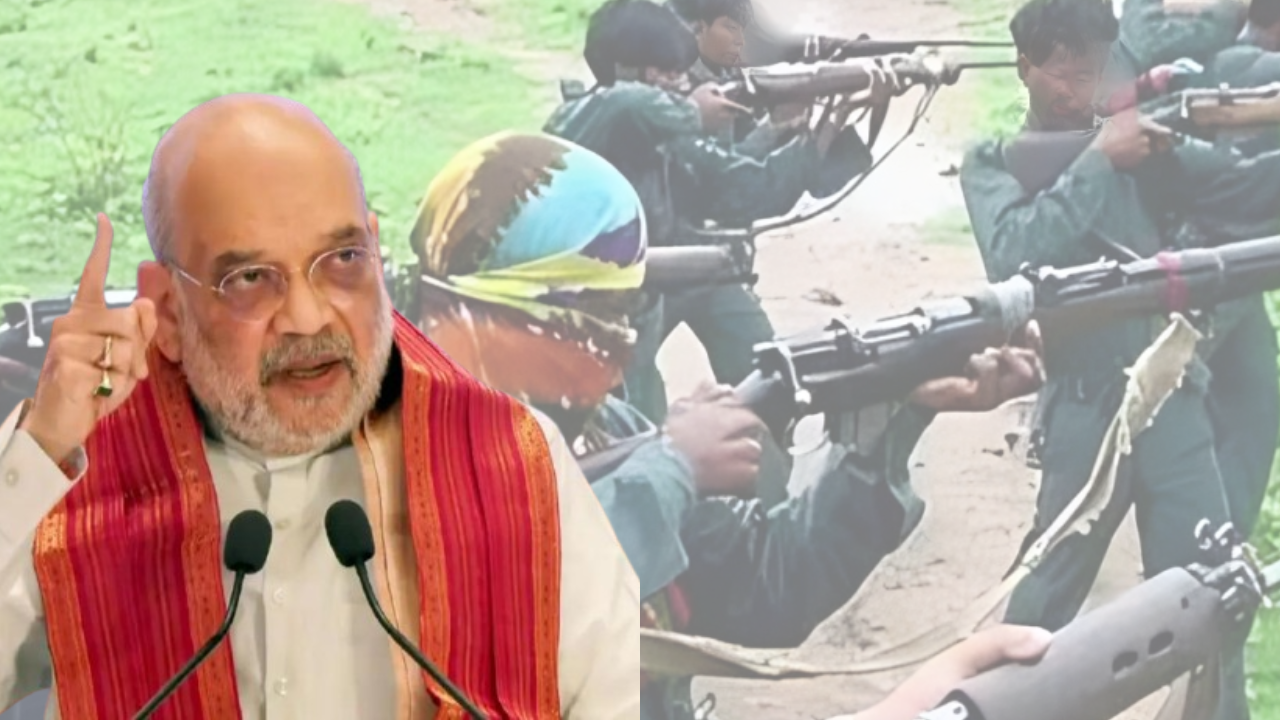
India has reached a major turning point in its long fight against Naxalism. Union Home Minister Amit Shah previously set March 31, 2026, as the deadline to clear the country of this internal security threat. As that date arrives, the government reports that the movement is now mostly dismantled. This shift marks the end of decades of violence in many rural parts of the country, moving the focus from military action to long-term growth and local safety.
Main Impact
The biggest change is the massive shrinking of the "Red Corridor," which is the name given to areas where Naxal groups were most active. For a long time, these groups controlled large parts of central and eastern India, making it hard for the government to provide basic services. Now, these groups have been pushed into very small, isolated areas. This change allows the government to finally build roads, schools, and clinics in places that were once considered too dangerous for any official to visit.
Key Details
What Happened
The government used a two-part plan to handle the situation. First, security forces increased their presence in deep forest areas to stop armed attacks. Second, the government offered a way out for those involved in the movement. Many members chose to put down their weapons and return to normal life through special surrender programs. These programs provided money and job training to help former rebels start over. By cutting off the leadership and offering a path to peace for the followers, the strength of the movement faded away.
Important Numbers and Facts
At its peak, Naxal violence affected over 100 districts across several states. Today, that number has dropped by more than 70 percent. Most of the remaining activity is limited to just a few districts in Chhattisgarh. The government has also built thousands of kilometers of roads and installed hundreds of mobile phone towers in these remote zones. These numbers show that the focus has moved from fighting with guns to connecting people with technology and transport.
Background and Context
Naxalism began many years ago as a protest by poor farmers and tribal groups who felt they were being treated unfairly. Over time, it turned into an armed struggle against the state. For decades, it was called India’s biggest internal security challenge. The movement grew because many people in remote areas felt forgotten by the government. To fix this, the current strategy focuses on "winning hearts and minds." This means showing the local people that the government can provide a better life than the armed groups can.
Public or Industry Reaction
People living in these regions have expressed a mix of relief and hope. For many families, the end of the conflict means their children can go to school without fear. Security experts have praised the steady pressure kept up by the police and central forces. However, some social workers point out that while the fighting has stopped, the government must work hard to make sure the original problems, like land rights and poverty, are fully solved. They believe that peace will only last if the local people feel they are part of India's economic success.
What This Means Going Forward
Even though the March 31 deadline has passed, the work is not over. The government will likely keep security forces in these areas for a few more years to prevent any groups from coming back. The next step is "saturation development." This means making sure every single village has electricity, clean water, and internet access. The goal is to make these regions so stable and successful that there is no reason for violence to ever start again. The police will move into a secondary role, while teachers, doctors, and engineers take the lead in rebuilding the community.
Final Take
India is closer than ever to being free from Naxal violence. While the armed threat has been mostly removed, the true victory will be seen in the coming years. Success will not just be measured by the lack of attacks, but by the quality of life for the people living in these once-troubled areas. Moving from a state of war to a state of growth is a difficult journey, but the current progress shows that a peaceful future is finally within reach.
Frequently Asked Questions
What was the March 31 deadline?
Union Home Minister Amit Shah set March 31, 2026, as the target date to make India completely free from Naxalism through a mix of security operations and social development.
What is the Red Corridor?
The Red Corridor refers to the regions in India that experienced high levels of Naxalite-Maoist violence. It once stretched across several states but has now shrunk significantly.
Is Naxalism completely gone?
While the movement has been dismantled in most places, small groups still exist in very remote forest areas. The government is now focusing on these last pockets to ensure the violence does not return.



